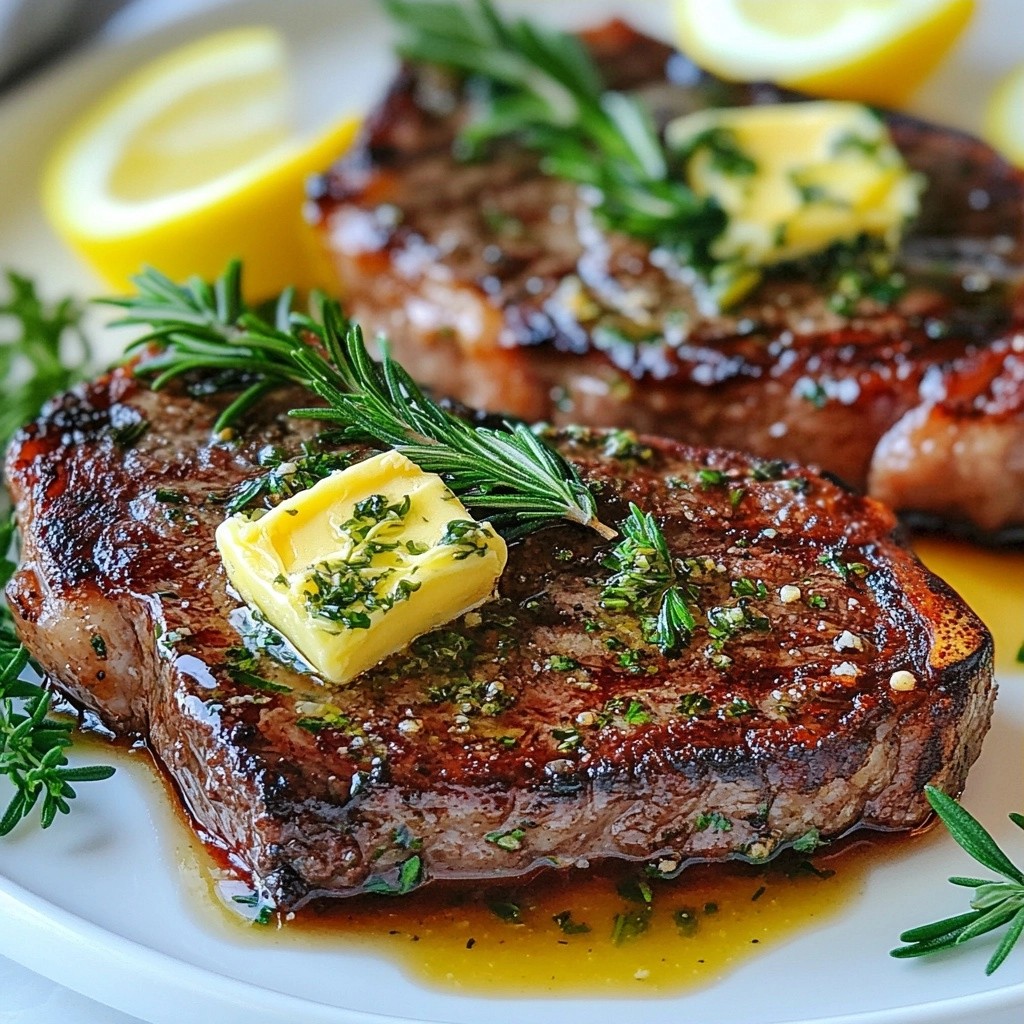
Get ready to elevate your steak game! My Seared Steak with Herb Butter Flavor Boosting Recipe will transform your cooking. You’ll discover how to make a rich herb butter that perfectly complements your juicy steak. I’ll guide you through simple steps for searing and give you tips for the best results. Perfect your technique, and impress your family and friends with this delicious dish. Let's dive in!
Why I Love This Recipe
- Perfect Sear: The high heat creates a delicious crust while keeping the inside tender and juicy.
- Herb Butter Magic: The combination of fresh herbs and garlic in the butter elevates the flavor to new heights.
- Impressive Presentation: Served with lemon wedges and a sprinkle of parsley, this dish looks as good as it tastes.
- Quick and Easy: This recipe comes together in under an hour, making it perfect for a weeknight dinner or special occasion.
Ingredients
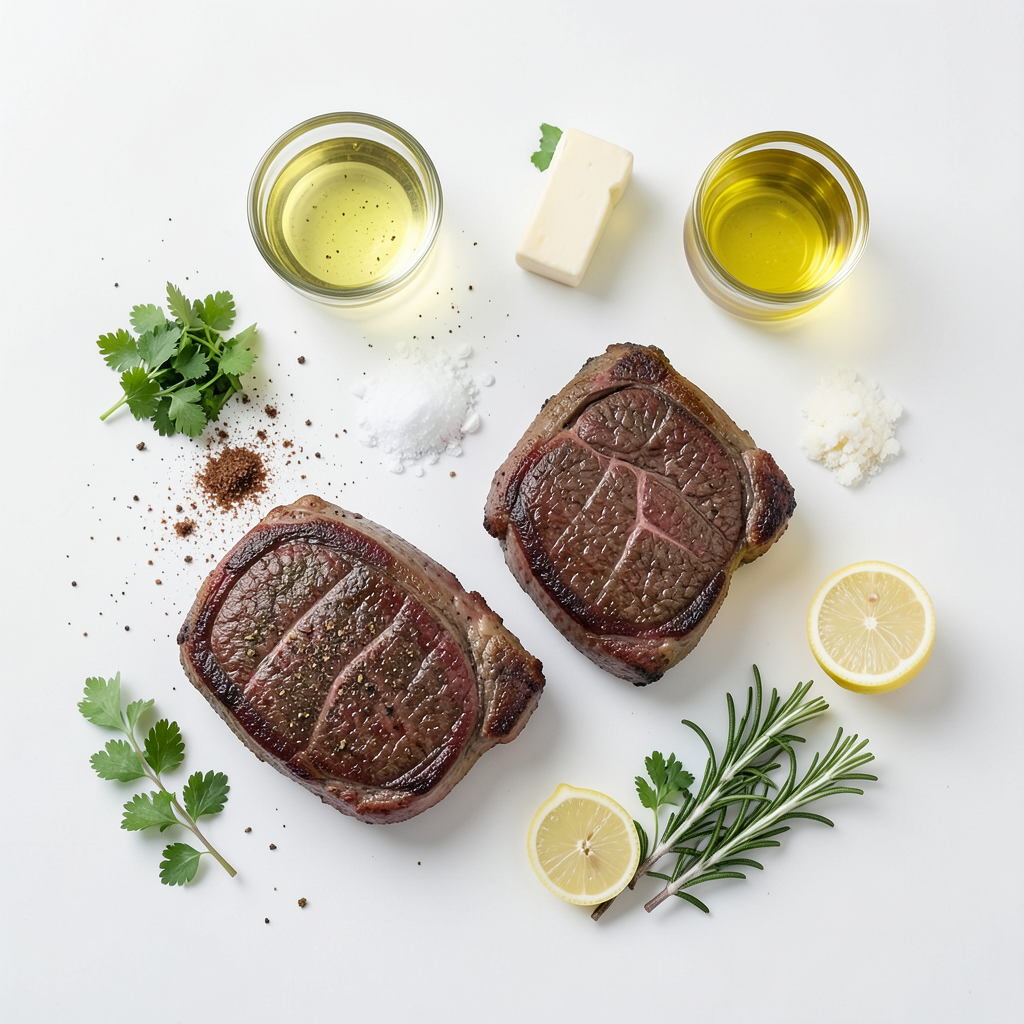
List of Ingredients
- 2 ribeye steaks (1-inch thick)
- Salt and pepper to taste
- 2 tablespoons olive oil
- 3 tablespoons unsalted butter, softened
- 2 cloves garlic, finely minced
- 2 tablespoons fresh parsley, finely chopped
- 1 tablespoon fresh thyme leaves
- 1 tablespoon fresh rosemary, finely chopped
- Zest of 1 lemon
- Lemon wedges for serving
Ingredient Substitutions
- Ribeye steaks can be swapped with sirloin or filet mignon for different flavors.
- Use sea salt or kosher salt instead of regular table salt for better texture.
- If you lack olive oil, vegetable oil or canola oil works well too.
- For a dairy-free option, try using vegan butter in place of unsalted butter.
- Fresh herbs can be replaced with dried herbs; just use less for stronger flavor.
- Lemon zest can be replaced with lime zest for a different citrus taste.
Recommended Tools for Preparation
- A heavy skillet, preferably cast iron, for even cooking.
- Tongs for safely flipping the steaks.
- A small mixing bowl for the herb butter.
- Plastic wrap to shape and store the herb butter log.
- A cutting board for resting and slicing the steak.
- A sharp knife for clean cuts of steak.
This list of ingredients and tools will help you make an amazing seared steak with herb butter. Each item plays a key role in enhancing the flavor and texture of your dish.
Step-by-Step Instructions
Preparation of the Herb Butter
To make the herb butter, start with softened unsalted butter. Use a small bowl to mix in minced garlic, chopped parsley, thyme leaves, rosemary, and lemon zest. Stir well until everything combines. Next, place the mixture on plastic wrap. Roll it tightly into a log shape and wrap it. Put it in the fridge for at least 30 minutes. This makes the butter firm and easy to slice later.
Seasoning the Steaks
Take your ribeye steaks out of the fridge. Let them sit at room temperature for about 30 minutes. This helps them cook evenly. Generously sprinkle salt and black pepper on both sides. Don't be shy! Seasoning is key to great flavor.
Cooking Techniques for Searing
Now it’s time to cook! Heat a heavy skillet on high heat. A cast iron skillet works best here. Make sure it gets very hot. Once hot, add olive oil and swirl it around. Carefully place the seasoned steaks in the pan. Avoid overcrowding; this can steam the meat. Sear one side for 4-5 minutes without moving. This helps form a nice crust.
After that, flip the steaks with tongs. Add 1 tablespoon of your herb butter to the pan. Let it melt while cooking the other side for 3-4 minutes for medium-rare. You can adjust the time if you like it more or less done. While they cook, use a spoon to baste the steaks with melted butter. This adds extra flavor.
Once finished, take the steaks out of the skillet and let them rest for about 5 minutes. This helps the juices stay inside. After resting, slice the steaks against the grain and top with chilled herb butter. Serve with lemon wedges for a fresh kick!
Tips & Tricks
Achieving the Perfect Doneness
To get your steak just right, use a meat thermometer. For medium-rare, aim for 130°F. For medium, go for 140°F. This helps you avoid overcooking. Another tip is to look for color. A nice brown crust means a flavorful steak!
How to Properly Rest the Steak
Resting is key! After cooking, move your steak to a cutting board. Let it rest for about 5 minutes. This helps keep the juices inside. Cutting too soon can make your steak dry.
Enhancing Flavor with Basting
Basting adds great taste. When searing your steak, add a tablespoon of herb butter to the pan. Use a spoon to drizzle the melted butter over the steak. This adds flavor and keeps it moist. You can do this every minute while cooking!
Pro Tips
- Resting is Key: Allowing the steak to rest after cooking helps the juices redistribute, resulting in a more tender and flavorful steak.
- Use a Meat Thermometer: For perfect doneness, use a meat thermometer to check the internal temperature. Aim for 130°F for medium-rare.
- Let Steak Come to Room Temperature: Bringing the steak to room temperature before cooking ensures even cooking throughout the meat.
- Choose the Right Pan: A heavy skillet, like cast iron, retains heat better and creates an excellent sear on your steak.
Variations
Alternative Steak Cuts
You can use other cuts of steak for this recipe. Ribeye is great, but try these options:
- Sirloin: Lean and tasty. It has less fat but still good flavor.
- Filet Mignon: Very tender, this cut is perfect for a special meal.
- T-bone: This cut has both strip and tenderloin for two flavors in one.
- Flank Steak: A bit chewier, but full of flavor. It's great for quick cooking.
Each cut has its own taste and texture. Adjust cooking times based on thickness.
Flavorful Herb Combinations
You can mix up the herbs in your butter for a twist. Here are some ideas:
- Basil & Oregano: This combo gives a fresh Italian taste.
- Cilantro & Lime Zest: Perfect for a bright, zesty flavor.
- Sage & Chives: Adds a warm, earthy taste to your steak.
- Dill & Lemon: This mix brings a refreshing touch that pairs well with beef.
Experiment with different herbs to find your favorite blend!
Additional Toppings or Sauces
Toppings can elevate your steak even more. Here are some tasty ideas:
- Sautéed Mushrooms: Rich and savory, great with herb butter.
- Blue Cheese Crumbles: Adds bold flavor that many love.
- Garlic Confit: Sweet and soft garlic enhances the steak's taste.
- Chimichurri Sauce: A zesty sauce made with herbs, garlic, and vinegar.
These toppings can change the flavor of your dish. Mix and match to find what you enjoy!
Storage Info
Storing Leftover Steak
To store leftover steak, let it cool first. Wrap it tightly in plastic wrap or aluminum foil. You can also place it in an airtight container. This helps keep the steak juicy and fresh. Store it in the fridge for up to three days. If you wait longer than that, the flavor may fade, and the texture can change.
Reheating Tips for Best Results
When you are ready to enjoy the leftover steak, reheating is key. Preheat your oven to 250°F (120°C). Place the steak on a wire rack over a baking sheet. Heat it in the oven for about 20 to 30 minutes. This method keeps it tender. You can also use a skillet. Heat it over medium heat and add a little olive oil. Sear each side for a few minutes. This helps to warm it without overcooking.
Freezing Herb Butter for Later Use
If you have leftover herb butter, freezing it is a great option. Start by cutting it into small logs or cubes. Wrap each piece in plastic wrap. Then, place them in a freezer bag. Label the bag with the date and use it within three months for the best flavor. When you need some herb butter, just take out a piece and let it thaw in the fridge. You can also add it directly to hot dishes for instant flavor.
FAQs
How do I know when my steak is done?
You can check the doneness of your steak with a meat thermometer. For medium-rare, aim for about 130°F (54°C). For medium, look for 140°F (60°C). If you don’t have a thermometer, use the finger test. Press the steak with your finger; a soft feel means rare, while a firmer feel means well done.
Can I use frozen steak for this recipe?
Yes, you can use frozen steak. Just make sure to thaw it first. Place the steak in the fridge overnight for best results. If you're short on time, you can also thaw it in cold water for about an hour. Once thawed, season and cook as normal.
What can I serve with seared steak?
Seared steak pairs well with many sides. Some great options include:
- Garlic mashed potatoes
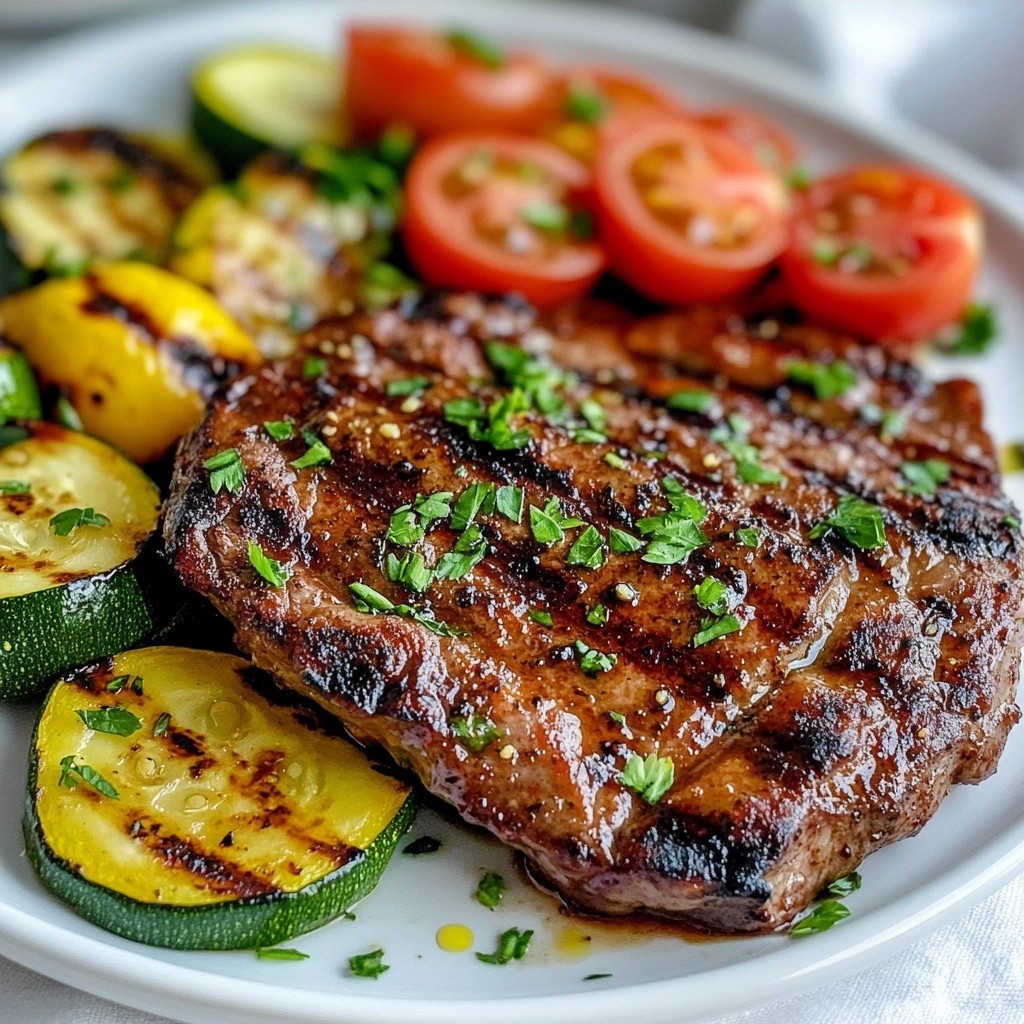
- Grilled vegetables
- A fresh green salad
- Roasted Brussels sprouts
- Creamy coleslaw
These sides balance the rich flavor of the steak. Enjoy your meal!
We explored the key ingredients for perfect seared steak, noted substitutions, and tools. I shared step-by-step guidelines, from making herb butter to searing techniques. We discussed tips for doneness and resting the steak to boost flavor. Variations let you try different cuts and toppings. Finally, I covered storage and reheating for leftovers.
Perfect seared steak is within your reach. Experiment, enjoy, and impress your guests!