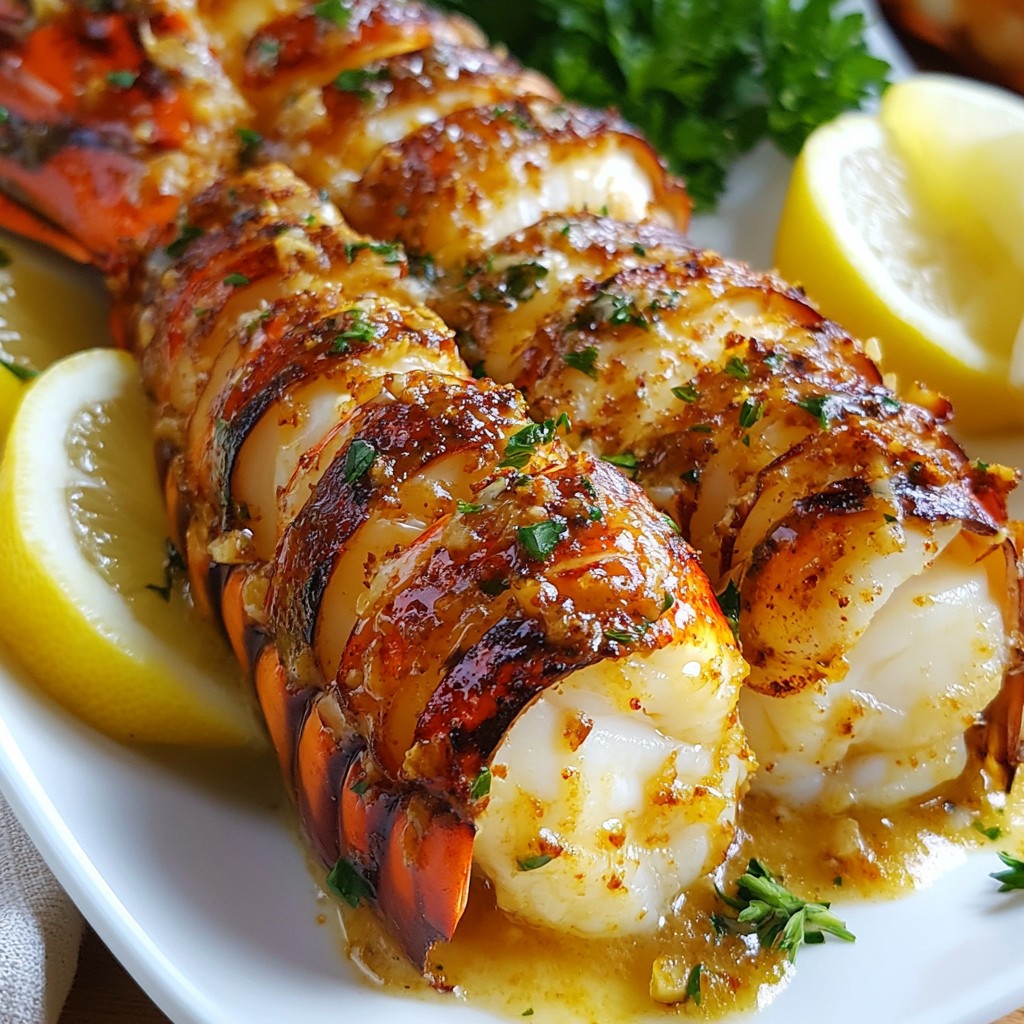

Pineapple Teriyaki Meatballs Flavorful and Simple Dish

If you crave a dish that’s both tasty and easy, you’re in the right place! Pineapple Teriyaki Meatballs are full of flavor and require just a few simple steps. Whether you want a quick dinner or a fun party snack, these meatballs deliver. I’ll walk you through the ingredients, cooking tips, and variations that will make this dish shine. Let’s dive in and create something delicious!
Why I Love This Recipe
- Delicious Flavor Combination: The sweet and tangy pineapple teriyaki sauce perfectly complements the savory meatballs, creating a delightful fusion of flavors that everyone will love.
- Quick and Easy to Prepare: This recipe is simple and can be made in just 40 minutes, making it perfect for busy weeknights or last-minute gatherings.
- Versatile Ingredients: You can easily substitute ground beef with ground turkey or even make it vegetarian with plant-based meat, accommodating various dietary preferences.
- Fun for Everyone: Rolling meatballs is a fun activity that the whole family can enjoy, making it a great recipe for cooking together.
Ingredients
Main ingredients for Pineapple Teriyaki Meatballs
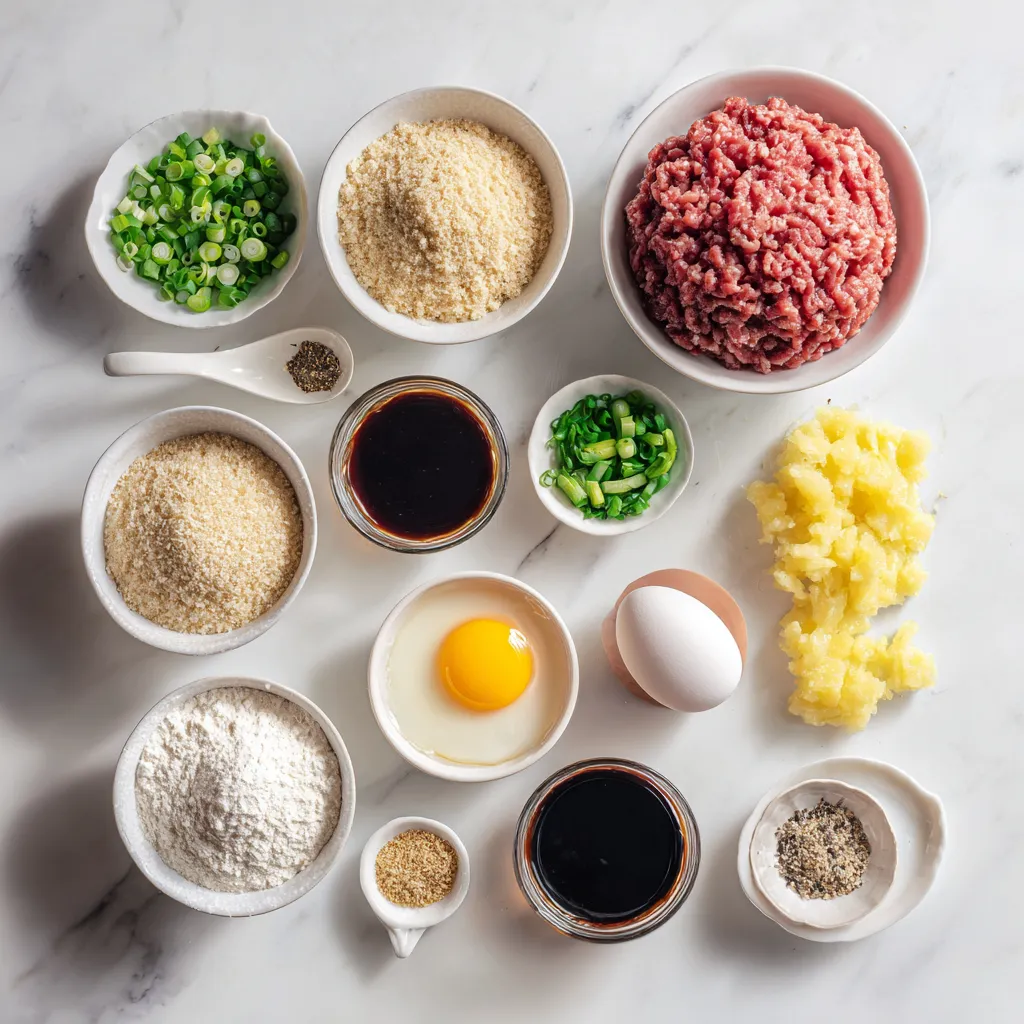
These meatballs are easy to make and full of flavor. Here are the main items you need:
- 1 pound ground beef (or ground turkey for a lighter dish)
- 1/2 cup breadcrumbs (panko gives a great crunch)
- 1/4 cup green onions, finely chopped (plus more for garnish)
- 1 large egg, beaten
- 2 tablespoons low-sodium soy sauce
- 1 teaspoon garlic powder
- 1 teaspoon ginger powder
- 1/4 teaspoon black pepper
- 1 can (8 oz) crushed pineapple in juice, drained (keep juice)
- 1/4 cup teriyaki sauce
- 1 tablespoon cornstarch
- 1 tablespoon sesame seeds (for garnish)
Substitutions and variations
You can switch out some ingredients for your taste or needs. Ground turkey is a great choice if you want less fat. If you can’t find panko, regular breadcrumbs work too. You can even use ground chicken or pork. For a gluten-free option, look for gluten-free breadcrumbs and soy sauce.
Optional garnishes and serving suggestions
Garnishes add a nice touch. Extra green onions and sesame seeds give a pop of color and flavor. You can also serve the meatballs with pineapple slices around them. For a full meal, pair them with steamed rice or a fresh Asian slaw. Enjoy your tasty dish!
Step-by-Step Instructions
Preparing the meatball mixture
To make the meatballs, start by mixing the ingredients. In a large bowl, combine:
- 1 pound ground beef (or ground turkey)
- 1/2 cup panko breadcrumbs
- 1/4 cup finely chopped green onions
- 1 large beaten egg
- 2 tablespoons low-sodium soy sauce
- 1 teaspoon garlic powder
- 1 teaspoon ginger powder
- 1/4 teaspoon black pepper
Use your hands or a spatula to mix until everything is well blended. You want a smooth and sticky mixture.
Next, form the meatballs. With clean hands, roll the mixture into small balls, about 1 inch wide. Arrange them on a baking sheet lined with parchment paper. Leave space between each meatball, so they cook evenly.
Baking the meatballs
Now, it’s time to bake the meatballs. Preheat your oven to 400°F (200°C). This step is key for a nice brown color. Once the oven is hot, bake the meatballs for 15 to 20 minutes. They are ready when they turn brown and reach an internal temperature of 165°F for beef or turkey.
Making the teriyaki sauce
While the meatballs bake, you can prepare the teriyaki sauce. In a saucepan over medium heat, combine the reserved pineapple juice, 1/4 cup teriyaki sauce, and 1 tablespoon cornstarch. Whisk the mixture continuously. This will help the sauce thicken in about 2 to 3 minutes.
After that, stir in the crushed pineapple into the thickened sauce. Mix well and let it simmer gently for another minute to blend the flavors nicely.
Once the meatballs are done baking, remove them from the oven. Transfer them to a large bowl and pour the pineapple teriyaki sauce over them. Toss gently until all the meatballs are coated in the sweet and tangy glaze.
Serve the meatballs beautifully on a platter. You can sprinkle sesame seeds and extra chopped green onions on top for a fresh touch. Enjoy this tasty dish!
Tips & Tricks
Ensuring perfect texture and flavor
To get the best texture, use panko breadcrumbs. They offer a nice crunch. Mix the meat and other ingredients well. If you see any dry spots, keep mixing. This helps the meatballs hold together. Adding crushed pineapple keeps them moist and adds sweetness.
Cooking tips for even baking
Make sure to space the meatballs on the baking sheet. This allows hot air to circulate. Bake at 400°F for 15-20 minutes. Check for a nice brown color. You can use a meat thermometer to ensure they reach 165°F. This step keeps them juicy and safe to eat.
Presentation ideas for serving
For a fun look, serve meatballs on a platter. Sprinkle sesame seeds and green onions on top. You can also add pineapple slices around the edge. This gives a fresh, tropical vibe. Pair with steamed rice or a simple slaw for balance. Enjoy your colorful and tasty dish!
Pro Tips
- Use Fresh Ingredients: For the best flavor, opt for fresh ground meat and fresh green onions. They enhance the overall taste and texture of your meatballs.
- Experiment with Meat Types: Don’t hesitate to try different types of ground meat such as chicken or pork. Each will give a unique flavor to your teriyaki meatballs.
- Adjust the Sweetness: If you prefer a sweeter sauce, feel free to add a little honey or brown sugar to the teriyaki sauce mixture to suit your taste.
- Make Ahead: These meatballs can be made ahead of time and frozen. Just bake and glaze them when you’re ready to serve for a quick meal option.

Variations
Alternative protein options (vegan, chicken, etc.)
You can switch the meat to fit your diet. For a vegan option, use lentils or chickpeas. You can also use ground chicken or turkey for a lighter choice. Both options still taste great with the teriyaki sauce. Just remember to adjust cooking times if you use chicken or turkey.
Different sauce options (spicy teriyaki, honey garlic, etc.)
While the classic teriyaki sauce is tasty, feel free to get creative. You can add sriracha to make a spicy teriyaki sauce. Or mix in honey and garlic for a sweet garlic sauce. Both options will give your meatballs a different flavor. Don’t hesitate to experiment until you find your favorite!
Serving with different sides (rice, veggie noodles, etc.)
These meatballs are great with many sides. Serve them over steamed rice for a filling meal. If you prefer something lighter, try veggie noodles. You can also serve them with a fresh salad or Asian slaw. Each side can change the taste and feel of your dish. Enjoy mixing and matching!
Storage Info
How to store leftovers properly
After you enjoy your Pineapple Teriyaki Meatballs, store any leftovers in an airtight container. Keep them in the fridge for up to three days. Make sure the container is sealed tight to keep the meatballs fresh and tasty.
Freezing meatballs for later use
You can freeze these meatballs for a quick meal later. First, let the meatballs cool completely. Then, place them in a freezer-safe bag or container. They can last in the freezer for about three months. When you’re ready to eat, just thaw them in the fridge overnight before reheating.
Reheating guidelines for best results
To reheat the meatballs, you can use the oven or microwave. For the oven, preheat it to 350°F (175°C). Place the meatballs on a baking sheet and heat for about 10-15 minutes. In the microwave, heat them on medium power for 1-2 minutes. Check if they are hot all the way through before serving. Enjoy your tasty meatballs again!
FAQs
Can I make Pineapple Teriyaki Meatballs ahead of time?
Yes, you can make Pineapple Teriyaki Meatballs ahead of time. Prepare the meatballs and bake them. Once cooked, let them cool. Store them in an airtight container in the fridge for up to three days. When ready to serve, just reheat them in the oven or microwave. You can also make the sauce ahead. Just mix the sauce and meatballs when you are ready to eat.
What can I substitute for teriyaki sauce?
If you need a substitute for teriyaki sauce, you have options. You can mix soy sauce with honey or brown sugar. This mix gives a sweet and salty flavor. Alternatively, use a sweet chili sauce for a different taste. You can also try a homemade sauce with soy sauce, ginger, and garlic.
How can I make this dish gluten-free?
To make Pineapple Teriyaki Meatballs gluten-free, use gluten-free breadcrumbs. There are many brands available now. Make sure to use gluten-free soy sauce, often called tamari. Check the teriyaki sauce label for gluten content too. Many brands offer gluten-free options.
What are some side dishes that pair well with this recipe?
Pineapple Teriyaki Meatballs pair well with several side dishes. Here are some ideas:
- Steamed jasmine rice
- Fried rice with veggies
- Asian slaw for crunch
- Sautéed green beans or broccoli
- Quinoa for a healthy twist
These sides balance the sweet and savory flavors of the meatballs.
Pineapple teriyaki meatballs are a tasty dish. We explored key ingredients and fun substitutes. You can use different proteins and sauces to fit your taste. Baking tips help ensure the right texture, while storage info keeps leftovers fresh. Don’t forget the garnishes for a nice final touch. Making this dish can be easy and fun. I hope you enjoy trying these meatballs as much as I d
Pineapple Teriyaki Meatballs
Ingredients
- 1 pound ground beef or ground turkey
- 0.5 cup breadcrumbs
- 0.25 cup green onions, finely chopped
- 1 large egg, beaten
- 2 tablespoons low-sodium soy sauce
- 1 teaspoon garlic powder
- 1 teaspoon ginger powder
- 0.25 teaspoon black pepper
- 1 can (8 oz) crushed pineapple in juice, drained
- 0.25 cup teriyaki sauce
- 1 tablespoon cornstarch
- 1 tablespoon sesame seeds for garnish
Instructions
- In a large mixing bowl, combine the ground beef (or turkey), breadcrumbs, finely chopped green onions, beaten egg, soy sauce, garlic powder, ginger powder, and black pepper. Using your hands or a spatula, mix until everything is well incorporated and you have a cohesive mixture.
- With clean hands, roll the mixture into small meatballs, about 1 inch in diameter. Arrange the meatballs neatly on a baking sheet lined with parchment paper, ensuring they are spaced apart.
- Preheat your oven to 400°F (200°C). Once the oven reaches the desired temperature, bake the meatballs for 15-20 minutes. They should be nicely browned and cooked through (internal temperature should reach 165°F for beef or turkey).
- While the meatballs are baking, prepare the teriyaki sauce. In a saucepan set over medium heat, combine the reserved pineapple juice, teriyaki sauce, and cornstarch. Whisk continuously until the sauce begins to thicken, which should take about 2-3 minutes.
- Stir in the crushed pineapple into the thickened sauce, mixing well to ensure it is heated through. Let it simmer gently for another minute to meld the flavors.
- Once the meatballs are finished baking, remove them from the oven and transfer them to a large mixing bowl. Gently pour the pineapple teriyaki sauce over the meatballs and toss gently until they are thoroughly coated in the delicious glaze.
- Serve the meatballs on a decorative platter, sprinkling sesame seeds and extra chopped green onions on top for a fresh and vibrant touch.


![- 8 oz. spaghetti or pasta of your choice - 1 cup cherry tomatoes, halved - 1 cup zucchini, sliced into half-moons - 1 cup mixed bell peppers, sliced - 1 cup broccoli florets - 1 cup fresh spinach - 2 tablespoons extra virgin olive oil - 3 cloves garlic, finely minced - Zest and juice from 1 medium-sized lemon - 1 teaspoon dried oregano - Salt and freshly ground black pepper, to taste - Fresh basil leaves and grated Parmesan cheese (optional) When I craft my Pasta Primavera, I focus on fresh and vibrant veggies. The cherry tomatoes burst with flavor, giving a sweet touch. Zucchini adds a nice crunch, while bell peppers bring color. Broccoli florets add a delightful bite, and fresh spinach wilts perfectly into the mix. I love using extra virgin olive oil for its rich taste. Garlic gives it a fragrant kick. The zest and juice of the lemon brighten the dish and enhance all the flavors. Dried oregano is my go-to herb here, adding warmth and depth. A pinch of salt and pepper brings it all together. For a finishing touch, I often sprinkle fresh basil on top. You can also add grated Parmesan cheese for creaminess. This recipe is simple yet packed with flavor, perfect for any meal. To see the full recipe, check out the details above. - Fill a large pot with salted water. - Bring to a boil and cook pasta until al dente. - Reserve pasta water and drain. To cook the pasta, I fill a big pot with water and add a good amount of salt. This helps to flavor the pasta. Once the water boils, I add my spaghetti or whatever pasta I choose. I cook it until it is al dente, which means it is firm but cooked. Before draining, I set aside about one cup of the pasta water. This water is full of starch and will help make my sauce creamy later. - Heat olive oil in a skillet. - Sauté minced garlic for fragrance. - Add broccoli and mixed bell peppers, sauté for 3-4 minutes. Next, I heat some olive oil in a large skillet over medium heat. Once the oil is hot, I add minced garlic and sauté it for about 30 seconds. The smell is amazing! I have to be careful not to burn it. After that, I toss in the broccoli and mixed bell peppers. I sauté these for 3-4 minutes until they soften a bit but still have some crunch. - Incorporate zucchini and cherry tomatoes. - Add reserved pasta water and seasonings. - Let simmer to create sauce. Now, I add my zucchini and cherry tomatoes to the skillet. I stir everything for about three minutes. The tomatoes will start to release their juices, making the dish juicy. I then pour in the reserved pasta water, followed by the lemon juice and zest, and dried oregano. This creates a light sauce. I let it simmer for two minutes to blend the flavors. - Add drained pasta and fresh spinach. - Toss until well mixed. - Season to taste and plate with garnishes. Finally, I gently add the drained pasta to the skillet along with fresh spinach. I toss everything well so the pasta gets coated in the sauce. The heat wilts the spinach just right. I taste the dish and season it with salt and black pepper. To serve, I plate the pasta in deep bowls and garnish with fresh basil and a sprinkle of Parmesan cheese if I want. This dish looks and tastes great. You can find the full recipe for this delightful dish to enjoy! To achieve al dente pasta, you need to watch the clock. Start checking your pasta a minute before the package time. It should be firm but not hard. The texture is key! Reserving pasta water is a must. Always save about one cup before you drain it. This water is starchy and helps create a silky sauce later. It can make your dish creamy without adding heavy cream. To boost flavor, think about adding fresh herbs like parsley or thyme. You can also sprinkle in some red pepper flakes for heat. These add extra layers of taste and excitement. When sautéing vegetables, keep the heat high but don’t overcook them. Stir them quickly to keep their crunch. A short cooking time keeps veggies bright and fresh. For a beautiful presentation, use deep bowls for serving. This allows the colors to pop. A splash of lemon zest on top adds brightness, too. Garnishing can elevate your dish. Scatter fresh basil leaves over the top. A sprinkle of grated Parmesan cheese adds a nice touch. It makes your dish look like it came from a restaurant! For the full recipe, check out the detailed instructions above. Enjoy your cooking adventure! {{image_4}} You can change up the veggies in your Pasta Primavera with Lemon. Seasonal veggies work best. Try using asparagus, snap peas, or carrots. These will add color and flavor. If fresh veggies aren't available, frozen ones are a great option too. Just remember to thaw them and drain any excess water before cooking. This keeps your dish from getting soggy. Want to make your Pasta Primavera heartier? You can add protein! Chicken, shrimp, or tofu are great choices. If you use chicken, cook it in the skillet first, and then add the veggies. For shrimp, toss them in when the veggies are almost done. They only need a few minutes to cook. If you prefer tofu, press it to remove moisture, then cube and sauté until golden before adding it to the mix. Pasta Primavera is very flexible with pasta types. You can choose gluten-free pasta if you need it. Options like brown rice or quinoa pasta work well. Whole grain pasta is another healthy choice, adding fiber to your meal. If you want something unique, try legume-based pasta made from lentils or chickpeas. These add a nice twist and extra protein. For the full recipe, check out the [Full Recipe]. To keep your Pasta Primavera fresh, refrigerate it right after cooling. Place it in airtight containers. This helps lock in flavors and keeps it safe to eat. Always store leftovers within two hours of cooking. The pasta will taste great for up to three days in the fridge. When you reheat your pasta, use a stove or microwave. For the stove, add a splash of water or olive oil. Stir gently to heat evenly. If using a microwave, cover it to keep moisture in. Avoid overheating to prevent soggy pasta. Heat just until warm. To freeze Pasta Primavera, let it cool first. Transfer it to freezer-safe containers, leaving space for expansion. This dish can be frozen for up to three months. When ready to eat, thaw it overnight in the fridge. Reheat it on the stove or microwave, adding a bit of water to help it steam. Enjoy your flavorful veggie delight later! For the full recipe, check out the details above. Pasta Primavera lasts about 3 to 5 days in the fridge. To keep it fresh, store it in an airtight container. It’s best to let the pasta cool before sealing. This helps prevent moisture buildup, which can make it soggy. Yes, you can make Pasta Primavera ahead of time. To prepare, cook the pasta and veggies as usual. Let everything cool completely before storing. When you are ready to eat, just reheat it in a skillet over low heat. Add a splash of water or extra olive oil to keep it moist. If you need a lemon substitute, try lime juice or vinegar. Use the same amount, about 2 tablespoons. You can also use orange juice for a sweeter flavor. Adjust to your taste, as different fruits can change the dish's profile. Pasta Primavera is healthy and full of nutrients. It has lots of veggies like broccoli, spinach, and bell peppers. These provide vitamins and fiber. The olive oil adds healthy fats. Overall, this dish is low in calories and high in flavor, making it a great choice. Pasta Primavera is a simple and tasty dish. We discussed the essential ingredients, like pasta, fresh vegetables, and seasonings. I shared step-by-step instructions for cooking and combining ingredients. You can enhance flavors with herbs and spices while following tips for perfect presentation. Consider variations with protein and different pasta types for more options. Lastly, I covered storage and reheating to keep leftovers fresh. This dish is not only delicious but also healthy, making it a great meal for everyone. Enjoy experimenting with it!](https://dishtreats.com/wp-content/uploads/2025/05/1202f33f-9285-4746-af91-946a78d77e80-768x768.webp)