Mediterranean Couscous Salad Fresh and Flavorful Dish

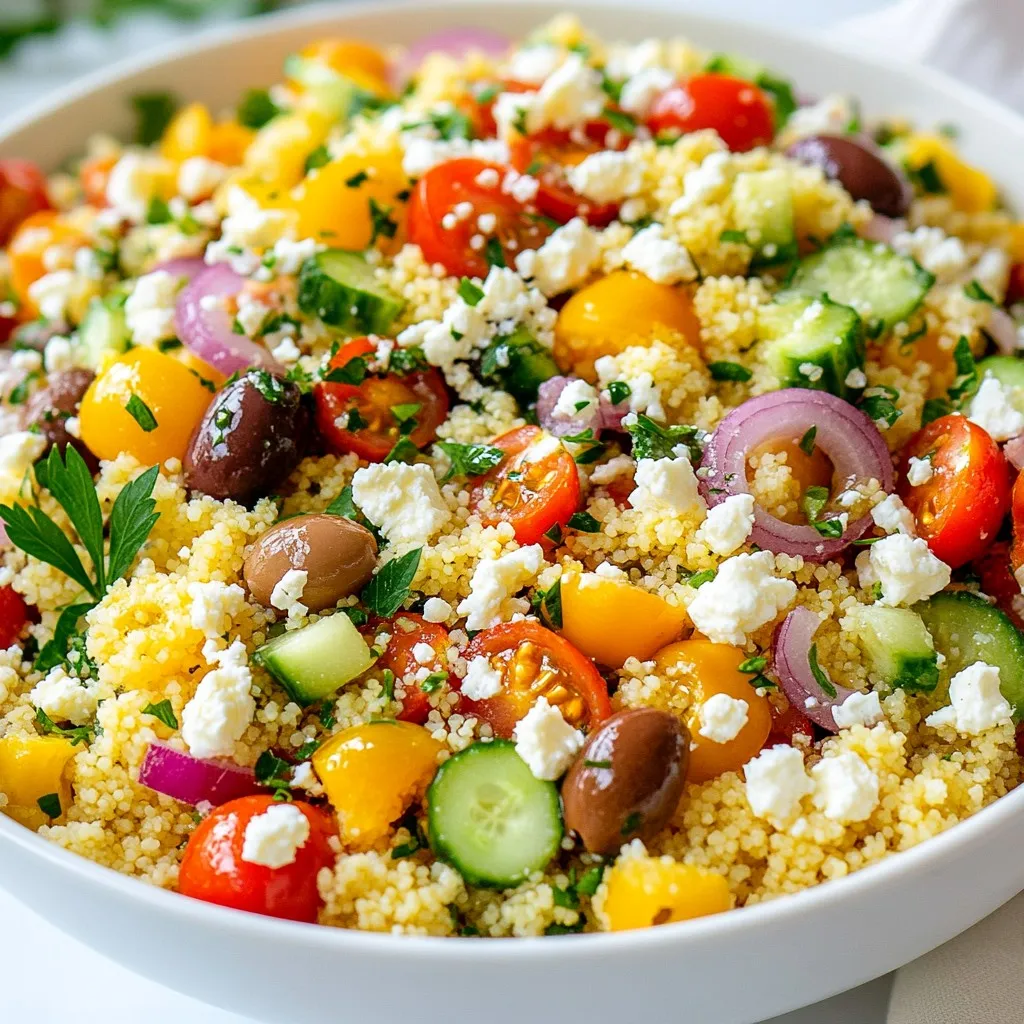
Looking for a refreshing dish that packs a flavor punch? Try my Mediterranean Couscous Salad! With fresh veggies and a zesty dressing, this salad is perfect for lunch or dinner. In this post, I’ll guide you through easy steps to create a vibrant, colorful dish that delights the taste buds. Get ready to impress your family and friends with this healthy recipe that’s quick, simple, and delicious!
Why I Love This Recipe
- Fresh and Flavorful: This salad is bursting with fresh ingredients that bring a vibrant Mediterranean flavor to your table.
- Quick and Easy: With minimal cooking required, this recipe is perfect for a quick lunch or a light dinner.
- Customizable: You can easily adapt this salad with your favorite vegetables or proteins, making it a versatile dish.
- Healthy and Nutritious: Packed with vegetables, healthy fats, and whole grains, this salad is a wholesome option for any meal.
Ingredients
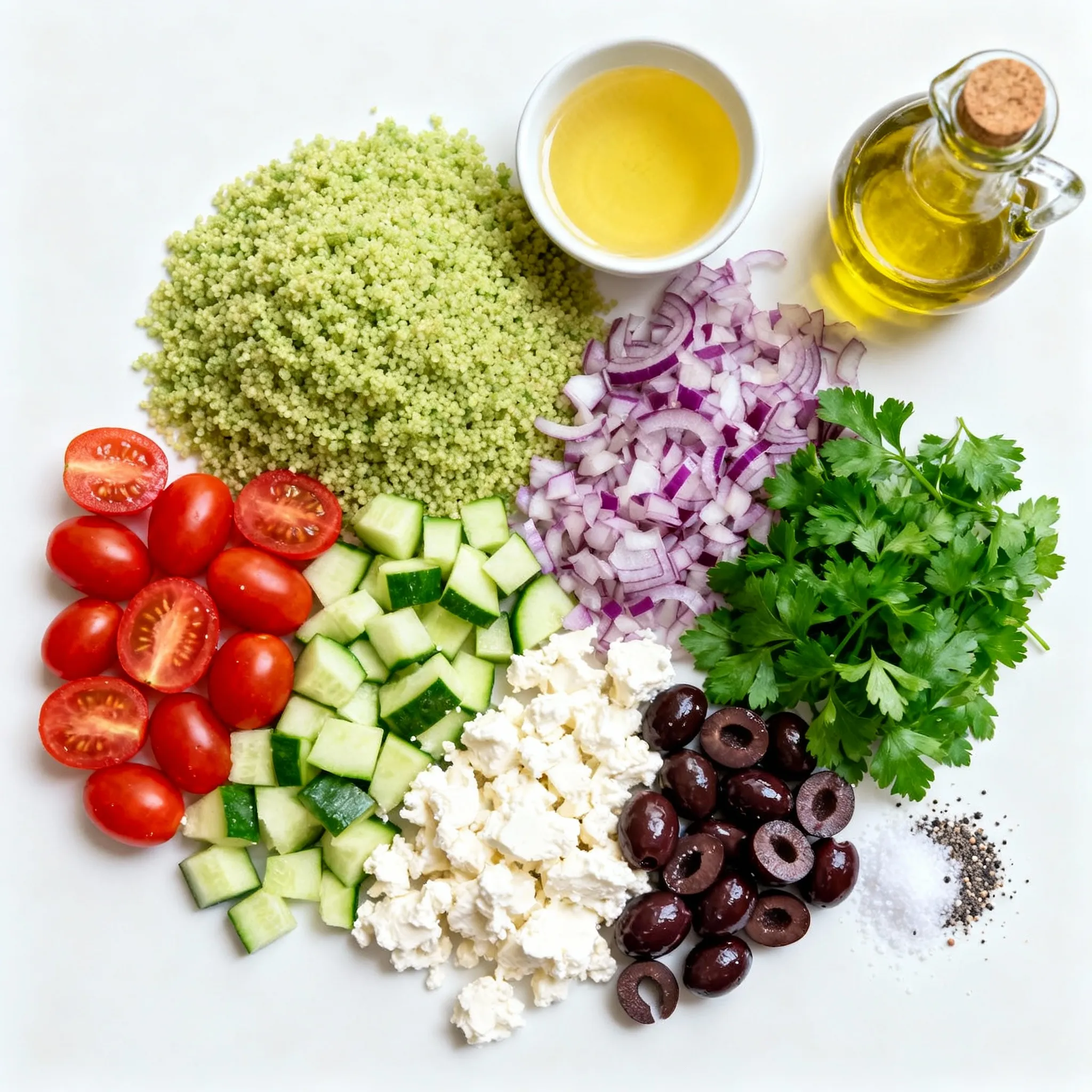
List of Ingredients
- Couscous and Broth
- 1 cup couscous
- 1 1/4 cups vegetable broth (preferably low-sodium)
- Fresh Vegetables
- 1 cup cherry tomatoes, halved
- 1 medium cucumber, diced into small cubes
- 1/2 medium red onion, finely chopped
- 1/2 cup Kalamata olives, pitted and sliced
- 1/4 cup fresh parsley, finely chopped
- Accompaniments
- 1/2 cup feta cheese, crumbled
- Seasoning and Dressing
- 2 tablespoons freshly squeezed lemon juice
- 2 tablespoons high-quality extra virgin olive oil
- Salt and freshly ground black pepper to taste
Gather these ingredients before starting. Using fresh vegetables makes a big difference. The color and taste will be brighter and more appealing. Kalamata olives add a nice touch of saltiness. Feta cheese brings creaminess to each bite. This salad is quick to prepare and so rewarding. You will enjoy each layer of flavor as you mix the ingredients.
Step-by-Step Instructions
Preparation Steps
- Prepare the Couscous: First, bring 1 1/4 cups of vegetable broth to a boil. Use a medium saucepan over medium-high heat.
- Cook and Fluff the Couscous: Once the broth is boiling, stir in 1 cup of couscous. Lower the heat and cover the pot. Let it sit for about 5 minutes until the broth is absorbed.
- Combine Vegetables: In a large bowl, mix 1 cup of halved cherry tomatoes, 1 medium diced cucumber, 1/2 finely chopped red onion, 1/2 cup sliced Kalamata olives, 1/2 cup crumbled feta cheese, and 1/4 cup chopped fresh parsley.
Incorporate Couscous and Dress Salad
- Mix in the Couscous: After the couscous cools to room temperature, add it to the vegetable bowl. Toss gently to combine. Be careful not to break the feta.
- Make the Dressing: In a small bowl, whisk together 2 tablespoons of lemon juice, 2 tablespoons of extra virgin olive oil, and season with salt and black pepper to taste. Mix until it thickens slightly.
- Dress the Salad: Pour the dressing over the salad. Toss gently until all ingredients are coated in the dressing.
Final Steps
- Taste and Adjust: Sample the salad and adjust the seasoning. Add more salt, pepper, or lemon juice if needed for your taste.
- Chill and Serve: Cover the salad with plastic wrap and refrigerate for at least 30 minutes. This chilling time helps the flavors blend well.
Tips & Tricks
Tips for Perfecting the Salad
Choosing the Right Couscous
Use regular couscous for a fluffy texture, or try whole wheat for more fiber. Instant couscous cooks faster but may lack flavor. Always check the package for cooking times.
Balancing Flavors
Aim for a blend of sweet, salty, and tangy. The tomatoes add sweetness, while olives and feta bring saltiness. Fresh lemon juice adds brightness. Taste as you mix, and adjust the seasoning.
Serving Suggestions
Ideal Pairings
This salad pairs well with grilled chicken or fish. It also complements roasted vegetables. For a light lunch, serve it with a slice of crusty bread.
Presentation Ideas
Serve the salad in a colorful bowl. Top it with extra feta and parsley for a pop of color. A drizzle of olive oil adds a nice touch, too.
Pro Tips
- Use Quality Ingredients: The flavor of your salad will greatly depend on the quality of your olive oil and feta cheese. Invest in high-quality brands for the best taste.
- Customize Your Veggies: Feel free to add or substitute other vegetables like bell peppers, zucchini, or spinach to suit your taste and what you have on hand.
- Perfect Chilling Time: Allowing the salad to chill for at least 30 minutes not only melds the flavors but also enhances the overall texture and taste.
- Leftover Magic: This salad keeps well in the fridge for a couple of days. It makes for a quick lunch or side dish, and the flavors continue to develop over time.

Variations
Ingredient Substitutions
Alternative Vegetables
You can change the vegetables in this salad. If you want, try bell peppers for a sweet crunch. Zucchini adds a fresh taste and is easy to find. For a bit of spice, add radishes. These changes keep the salad fun and tasty.
Different Cheeses
Feta cheese is great, but you can use other cheeses too. Goat cheese gives a creamy taste. For a sharper flavor, try blue cheese. If you want a dairy-free option, use a nut-based cheese. Each cheese gives a unique touch to your salad.
Seasonal Variations
Summer Ingredients
In the summer, add in fresh corn or ripe avocados. These ingredients bring a sweet flavor. You can also toss in fresh herbs like basil or mint. They add a bright note and make your salad refreshing.
Fall Additions
In the fall, swap in roasted butternut squash or sweet potatoes. These add warmth and depth. You can also include dried cranberries for sweetness. This mix makes your salad hearty and perfect for cooler days.
Storage Info
Storing Leftovers
To keep your Mediterranean couscous salad fresh, follow these tips:
- Best Practices for Refrigeration: Store the salad in an airtight container. This helps keep moisture in and prevents drying. Place it in the fridge right after serving. It’s best to eat it within three days for the best flavor and texture.
- Freezing Guidelines: Freezing is not ideal for this salad. The couscous and veggies may get mushy when thawed. If you need to freeze it, separate the dressing from the salad. You can freeze the salad without dressing for up to a month. Thaw it in the fridge and add fresh dressing before serving.
Shelf Life
Understanding how long your salad lasts is important:
- How Long It Lasts in the Fridge: The Mediterranean couscous salad lasts about 3 to 5 days in the fridge. The flavors will get better as it sits, but check for freshness.
- Signs of Spoilage: Look for changes in color or smell. If the salad smells sour or the veggies become slimy, it’s time to toss it. Always trust your senses when deciding if food is safe to eat.
FAQs
Can I make this salad ahead of time?
Yes, you can make this salad ahead of time. It tastes even better after chilling. The flavors mix well, creating a tasty dish. Store it in the fridge for up to three days. Just remember to add fresh herbs right before serving.
What can I add to make it more filling?
To make it more filling, consider adding protein. Grilled chicken, chickpeas, or shrimp work well. You can also include avocado for creaminess. Nuts or seeds add a nice crunch too. These additions will make the salad a hearty meal.
Is it suitable for meal prep?
Absolutely! This salad is great for meal prep. It holds up well in the fridge. Portion it into containers for easy lunches. Just keep the dressing separate until you’re ready to eat. This way, the salad stays fresh and crisp.
This blog post explored making a tasty couscous salad. We covered the key ingredients, including couscous, fresh veggies, and dressings. I provided clear steps to prepare and combine these elements. You learned tips for choosing the best ingredients and ideas for serving and storing leftovers. Remember, you can try different veggies and seasonal items to keep it fresh. With this knowledge, you’re ready to create a delicious salad that impresses. Enjoy your cooking adventur
Mediterranean Couscous Salad
Ingredients
- 1 cup couscous
- 1.25 cups vegetable broth (preferably low-sodium)
- 1 cup cherry tomatoes, halved
- 1 medium cucumber, diced into small cubes
- 0.5 medium red onion, finely chopped
- 0.5 cup Kalamata olives, pitted and sliced
- 0.5 cup feta cheese, crumbled
- 0.25 cup fresh parsley, finely chopped
- 2 tablespoons freshly squeezed lemon juice
- 2 tablespoons high-quality extra virgin olive oil
- to taste salt
- to taste freshly ground black pepper
Instructions
- In a medium saucepan, bring the vegetable broth to a rolling boil over medium-high heat.
- Once the broth is boiling, stir in the couscous. Immediately reduce the heat to low, cover the pot with a lid, and let it sit undisturbed for about 5 minutes or until the liquid is completely absorbed.
- Remove the saucepan from heat, and fluff the couscous using a fork to separate the grains. Transfer it to a plate or a large bowl and allow it to cool to room temperature.
- In a large mixing bowl, add the halved cherry tomatoes, diced cucumber, finely chopped red onion, sliced Kalamata olives, crumbled feta cheese, and chopped fresh parsley.
- Once the couscous has cooled, add it to the bowl with the vegetable mixture. Toss everything gently to mix them without breaking the feta.
- In a small bowl, whisk together the freshly squeezed lemon juice, extra virgin olive oil, and season with salt and black pepper to taste. Whisk until the mixture is well combined and slightly thickened.
- Pour the dressing over the couscous salad and gently toss until all ingredients are evenly coated in the dressing.
- Sample a small portion of the salad and adjust the seasoning, adding extra salt, pepper, or lemon juice as needed to achieve your preferred flavor.
- Cover the salad with plastic wrap and refrigerate for at least 30 minutes.


![To make stuffed bell peppers with quinoa, gather these tasty ingredients: - 4 large bell peppers (mixed colors) - 1 cup quinoa (rinsed) - 2 cups vegetable broth - 1 can black beans (drained and rinsed) - 1 cup corn kernels - 1 medium onion (finely chopped) - 2 cloves garlic (minced) - 1 teaspoon ground cumin - 1 teaspoon chili powder - ½ teaspoon smoked paprika - Salt and pepper to taste - 1 cup diced tomatoes - 1 cup shredded cheese - Fresh cilantro (optional for garnish) These ingredients work together to create a colorful and healthy meal. Quinoa is the star here, adding protein and fiber. The bell peppers not only look great but also bring sweetness and crunch. If you want to learn how to combine them into a delicious dish, check out the Full Recipe. - To cook quinoa with vegetable broth, start by rinsing 1 cup of quinoa under cold water. This step removes bitterness. Pour the rinsed quinoa into a medium saucepan. Add 2 cups of vegetable broth for added flavor. Bring the mixture to a boil over medium-high heat. Once boiling, reduce the heat to low. Cover the pan and let it simmer for about 15 minutes. You will know it's done when all the liquid is absorbed. - After cooking, fluff the quinoa with a fork. This makes it light and airy. Set the quinoa aside to cool while you prepare the other ingredients. - Heat a non-stick skillet over medium heat. Add 1 medium onion, finely chopped, and 2 cloves of minced garlic. Cook these until the onion turns soft and translucent. This takes about 3 to 5 minutes. - Next, add 1 can of drained black beans and 1 cup of corn kernels to the skillet. Stir in 1 cup of diced tomatoes, along with 1 teaspoon of ground cumin, 1 teaspoon of chili powder, ½ teaspoon of smoked paprika, and salt and pepper to taste. Mix well and let it cook for an additional 5 minutes until everything is warm. - To prepare the bell peppers, slice off the tops and remove the seeds and membranes. Choose 4 large bell peppers for a colorful dish. Place the hollowed peppers upright in a baking dish. Make sure they stand stable. - Now, fill each bell pepper with the quinoa and vegetable mix. Press it down gently to pack it in well. For a cheesy touch, top each pepper with 1 cup of shredded cheese. Let it cascade down the sides for a fun look. - Cover the baking dish with aluminum foil. This helps keep the moisture in. Place it in the preheated oven at 375°F (190°C). Bake for 25 minutes. - After 25 minutes, carefully remove the foil. Return the dish to the oven for another 10 to 15 minutes. You want the peppers to be tender, and the cheese to melt and bubble. It should have a lovely golden color when done. Now you have a delicious, colorful dish ready to serve! For full details, refer to the [Full Recipe]. How to choose the right bell peppers Pick large, firm bell peppers for stuffing. Look for vibrant colors like red, yellow, or green. The best peppers have smooth skin. Avoid any with soft spots or blemishes. This ensures a tasty bite every time. Ensuring even cooking Cut off the tops of the peppers evenly. This helps them stand upright. Remove seeds and membranes for better stuffing. Place them in a baking dish that fits snugly. This keeps them from tipping over during cooking. Adding herbs or spices for variety Fresh herbs like cilantro or parsley boost flavor. Try adding a pinch of oregano or thyme for depth. For a spicy touch, sprinkle in some red pepper flakes. These small tweaks make a big difference in taste. Recommended cheese types for best flavor Cheddar and mozzarella melt well and taste great. For a kick, use pepper jack cheese. If you like tang, feta cheese can add a nice twist. Experiment to find your favorite cheese blend. Essential kitchen tools and equipment You’ll need a sharp knife and a cutting board for prep. A medium saucepan is great for cooking quinoa. Use a non-stick skillet for sautéing vegetables. A sturdy spoon helps you mix everything well. Baking dish recommendations for even heat distribution Choose a glass or ceramic baking dish. These materials distribute heat evenly. Make sure it’s big enough to hold all your stuffed peppers. This way, they cook through without burning. For the full recipe, follow this link: [Full Recipe]. {{image_4}} You can change the protein in stuffed peppers easily. If you want a meat option, try ground turkey. It adds great flavor. For a plant-based choice, use tofu. You can mash it and mix it into the filling. Black beans are great, but these options offer variety. You can also make vegetarian or vegan options. Use black beans or lentils for protein. These keep it meat-free. Just ensure you skip the cheese for a vegan meal. There are many ways to customize the protein to fit your needs. Quinoa is a fantastic base for stuffed peppers, but you can switch grains. Rice is a classic choice that works well. Farro or couscous can also bring a different texture. They make the meal hearty and filling. If you need gluten-free options, use rice or quinoa. Both are naturally gluten-free. This way, everyone can enjoy your stuffed peppers without worry. Think about different flavors to spice things up. For a Mexican twist, add jalapeños or taco seasoning. This gives the dish a kick and adds excitement. You can also use salsa for added flavor. For a Mediterranean vibe, add olives or crumbled feta cheese. These ingredients enhance the taste and bring a fresh feel. Both options are simple yet effective ways to change your stuffed peppers. To keep your stuffed bell peppers fresh, store them in the fridge. Place them in an airtight container. They will stay good for up to 4 days. If you want to save them for later, freezing is a great option. Wrap each stuffed pepper in plastic wrap, then put them in a freezer-safe bag. This way, they can last for up to 3 months. For reheating in the oven, preheat it to 350°F (175°C). Place the peppers in a baking dish with a little broth or water. Cover with foil to keep moisture in. Bake for about 20 minutes or until heated through. If you need a quick option, use the microwave. Place one stuffed pepper on a microwave-safe plate. Heat on high for about 2-3 minutes. If it's not hot enough, heat in 30-second bursts until warm. Stuffed peppers last in the fridge for about 4 days. After that, they may spoil. Look out for any signs of spoilage. If you see mold or a bad smell, it's time to toss them. Always trust your senses! You typically bake stuffed bell peppers for 35 to 40 minutes. Start by covering them with foil for the first 25 minutes. This keeps them moist. After that, remove the foil to let the cheese melt and brown for another 10 to 15 minutes. Check the peppers to ensure they are tender but not mushy. Yes, you can prepare stuffed peppers in advance. Stuff the peppers and place them in a baking dish. Cover with foil and store them in the fridge for up to 24 hours. When ready to bake, just pop them in the oven. You may need to extend the baking time by a few minutes. If you want to swap quinoa, try rice, farro, or couscous. These grains provide a nice texture. Rice cooks quickly and absorbs flavors well. Farro adds a chewy bite, while couscous is fluffy and light. You can also use lentils for a protein boost. Stuffed peppers are quite healthy! They are full of fiber from the quinoa, beans, and veggies. Bell peppers are rich in vitamins A and C. This dish tends to be low in calories and high in nutrients. It offers a balanced meal with protein, carbs, and healthy fats. Absolutely! You can use green, red, yellow, or orange bell peppers. Each type has a unique taste. Green peppers are more bitter, while red ones are sweet and fruity. Mixing colors not only looks pretty but also gives different flavors. Feel free to choose your favorite or what’s on hand! For the complete method to make flavorful stuffed bell peppers, check out the [Full Recipe]. Here, I’ll share key details about the dish that will help you create a yummy meal your family will love. Stuffed bell peppers are colorful and fun. They make a great meal for any day. You can use any bell pepper color. Red, yellow, and green peppers add a nice look to your plate. Each color has a different taste too. Quinoa is the star here. It’s a healthy grain packed with protein. Rinsing it before cooking helps remove any bitter taste. You cook quinoa in vegetable broth for extra flavor. This makes it soft and fluffy, perfect for mixing with veggies. The filling is made from black beans, corn, diced tomatoes, and spices. Black beans add protein and fiber. Corn brings sweetness and crunch. Diced tomatoes add moisture and flavor, making the filling juicy. The spices—cumin, chili powder, and smoked paprika—give your dish a tasty kick. They create layers of flavor that make each bite exciting. Don’t forget to add salt and pepper to taste! When you stuff the peppers, pack the filling well. This keeps everything together during cooking. Topping with shredded cheese adds a melty touch. As the peppers bake, the cheese melts and gets golden. Baking them with foil keeps the peppers moist. Then, removing the foil lets the cheese get bubbly and brown. The result is a beautiful dish that is sure to impress! Stuffed peppers combine colorful ingredients into a tasty meal. We discussed how to prepare quinoa, sauté vegetables, and stuff the peppers. I shared tips for choosing the right peppers and flavoring your dish. Variations allow you to substitute proteins and grains based on your taste. Storing leftovers properly extends the life of your meal. Making stuffed peppers can be fun and creative. Enjoy trying new flavors and share this recipe with others!](https://dishtreats.com/wp-content/uploads/2025/06/552026c8-f020-4e58-b656-10611c333f52-768x768.webp)