
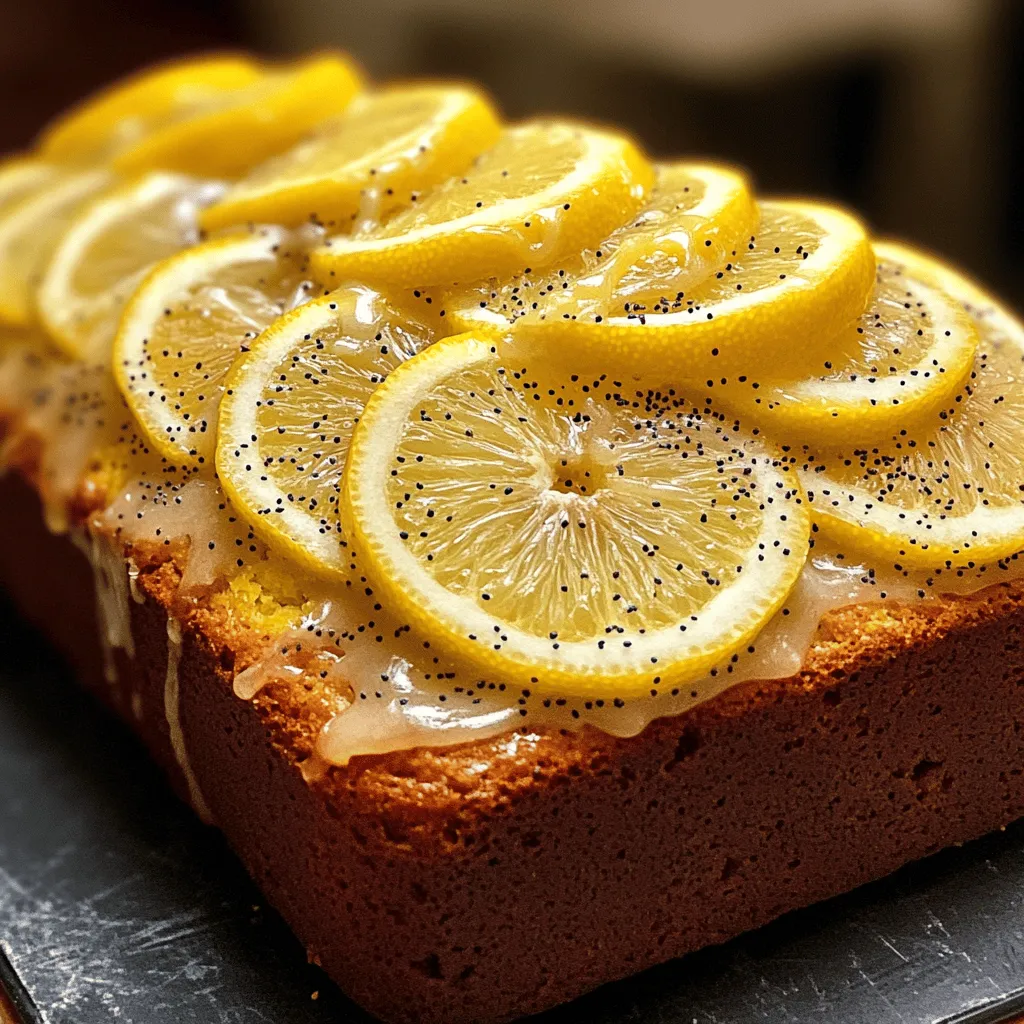
Lemon Poppy Seed Bread Simple and Tasty Recipe

If you’re craving a bright, zesty treat, Lemon Poppy Seed Bread is the answer! This easy recipe brings together fresh lemons and crunchy poppy seeds to create a delightful loaf. Perfect for breakfast or a snack, it’s sure to impress. In this post, I’ll guide you through the simple steps, share helpful tips, and reveal creative variations. Get ready to bake something delicious that everyone will love!
Ingredients
Main Ingredients
Here are the key ingredients for Lemon Poppy Seed Bread:
- 1 ½ cups all-purpose flour
- 1 teaspoon baking powder
- ½ teaspoon baking soda
- ¼ teaspoon salt
- ½ cup unsalted butter, softened
- 1 cup granulated sugar
- 2 large eggs, at room temperature
- ½ cup plain yogurt
- 2 tablespoons fresh lemon zest
- ¼ cup freshly squeezed lemon juice
- 3 tablespoons poppy seeds
These ingredients work together to create a light, fluffy bread with a bright lemon flavor. Each component plays a vital role.
The all-purpose flour forms the base, while sugar adds sweetness. Butter gives moisture, and eggs help bind everything. The yogurt brings tanginess and keeps the bread soft.
Lemon zest and juice bring a fresh, zesty kick. Poppy seeds add a lovely crunch and visual appeal.
Optional Glaze Ingredients
If you want to add a glaze, here’s what you’ll need:
- ½ cup powdered sugar
- 2 tablespoons fresh lemon juice
This glaze adds a sweet finish and enhances the lemon flavor. You can drizzle it on top for a beautiful look.
With these ingredients, you’re set to make a delightful Lemon Poppy Seed Bread.
Step-by-Step Instructions
Preparation Steps
1. Preheat your oven to 350°F (175°C). Prepare a 9×5 inch loaf pan by greasing it with butter. Dust it with flour. This helps the bread release easily after baking.
2. In a separate medium bowl, mix the all-purpose flour, baking powder, baking soda, and salt. Whisk them well to blend everything. Set this bowl aside for later.
3. In a large bowl, cream the softened butter and granulated sugar together using an electric mixer. Mix on medium speed until the color lightens and it becomes fluffy. This should take about 3-4 minutes.
4. Add the eggs to the butter-sugar mix one at a time. Beat well after each egg to make sure they mix in fully.
5. Stir in the plain yogurt, fresh lemon zest, and lemon juice. Mix until everything combines smoothly.
6. Gradually add the dry flour mixture to the wet ingredients. Stir gently with a spatula or wooden spoon until just combined. Be careful not to overmix. This keeps the bread light and airy.
7. Fold in the poppy seeds. Make sure they spread evenly throughout the batter.
Baking Process
1. Transfer the prepared batter into the greased loaf pan. Use a spatula to smooth the top evenly.
2. Bake in the preheated oven for 55-60 minutes. Check for doneness by inserting a toothpick into the center. If it comes out clean, it’s ready.
3. Once baked, let the bread cool in the pan for about 10 minutes. Then, move it to a wire rack to cool completely.
4. For the optional glaze, mix the powdered sugar with lemon juice in a small bowl. Whisk until smooth. Drizzle this over the cooled bread for a sweet finish.
Tips & Tricks
Perfecting the Texture
To make your bread light and fluffy, avoid overmixing the batter. When you mix the dry and wet ingredients, stir gently. Stop mixing as soon as you see no dry flour. This keeps the bread from becoming dense.
Room temperature ingredients are key. Let your butter, eggs, and yogurt sit out for about 30 minutes before you start. Warm ingredients blend better, giving you a smoother batter. This small step makes a big difference in texture.
Enhancing Flavor
Want to boost the lemon flavor? Consider adding a bit of lemon extract. A teaspoon goes a long way! It adds a nice punch and makes your bread zesty.
Use fresh lemon juice instead of bottled juice. Fresh juice has a brighter taste that enhances the bread’s overall flavor. It’s worth the extra effort to squeeze those lemons yourself. For the best results, stick to fresh ingredients whenever you can.

Variations
Creative Additions
You can get fun with your lemon poppy seed bread! Here are some great ideas:
- Chocolate chips: Add ½ cup of chocolate chips for a sweet twist. The chocolate pairs well with lemon’s tartness.
- Nuts: Fold in ½ cup of chopped walnuts or pecans for a nice crunch.
- Citrus options: Try using orange or lime zest instead of lemon. Each fruit brings a unique flavor to the bread.
These additions let you customize the bread to fit your taste. Feel free to mix and match!
Dietary Modifications
You might want to adjust the recipe for special diets. Here are some options:
- Gluten-free substitutions: Use 1 ½ cups of gluten-free all-purpose flour instead of regular flour. It works well and keeps the bread tasty.
- Vegan alternatives: Substitute eggs with ¼ cup of applesauce or 1 mashed banana. For yogurt, use a plant-based yogurt. This keeps the bread moist and fluffy.
These changes make the bread accessible to more people. Enjoy experimenting with these options!
Storage Info
How to Store Lemon Poppy Seed Bread
To keep your Lemon Poppy Seed Bread fresh, store it properly.
- Countertop Storage: Wrap the cooled bread in plastic wrap or aluminum foil. This helps keep it moist. Place it in a cool, dry area. Avoid direct sunlight to prevent drying out.
- Refrigeration: If you live in a humid area, refrigerate the bread. Wrap it well to avoid fridge odors. It can last up to a week in the fridge.
- Freezing Tips: For longer storage, freeze the bread. Slice it first for easy thawing. Wrap each slice in plastic wrap, then place them in a freezer bag. It stays good for up to three months. When ready to eat, thaw it in the fridge overnight or at room temperature.
Shelf Life
Lemon Poppy Seed Bread has a decent shelf life.
- Expected Freshness Period: On the countertop, it lasts about 3-4 days. In the fridge, expect it to stay fresh for about a week. If frozen, it can last up to three months without losing flavor.
- Signs of Spoilage: Always check your bread before eating. Look for mold, an off smell, or a dry, crumbly texture. If any of these appear, it’s best to toss it out. Keeping an eye on freshness ensures you enjoy this zesty treat at its best.
FAQs
Common Questions
How can I make my Lemon Poppy Seed Bread more moist?
To make your bread more moist, you can add more yogurt. Yogurt brings a rich creaminess. You can also try adding an extra tablespoon of lemon juice. This will not only add moisture but enhance the lemon flavor as well. You can also add a little more butter for richness.
Can I use whole wheat flour instead of all-purpose flour?
Yes, you can use whole wheat flour. However, this may change the texture. Whole wheat flour can make the bread denser. To balance this, you might want to add a bit more liquid, like yogurt or lemon juice, to keep it moist.
What can I do with leftover lemon zest?
Leftover lemon zest can add brightness to many dishes. You can mix it into yogurt or oatmeal. It’s also great in marinades or salad dressings. You can even freeze the zest in small bags for later use in baking.
User Concerns
Why is my bread dense?
A dense bread can result from overmixing the batter. Mixing too much will develop gluten, making the bread heavy. Also, check if your baking powder is fresh. If it’s old, it may not rise properly.
How do I troubleshoot a sunken loaf?
If your loaf sinks in the middle, it may be due to underbaking. Make sure to bake until a toothpick comes out clean. Too much liquid can also cause sinking, so measure carefully. Lastly, avoid opening the oven door too often while baking.
This blog covered how to make delightful Lemon Poppy Seed Bread. You learned the key ingredients, like flour, butter, and yogurt. I shared easy steps for preparation and baking. Also, tips helped you perfect texture and flavor. Variations gave you fun ideas to try. Finally, storage tips ensure your bread stays fresh.
Make this recipe your own. Experiment with flavors and share with friends. Enjoy every slice!





![- 1 lb boneless, skinless chicken breast, thinly sliced - 1 large bell pepper (red or yellow), sliced into strips - 1 cup broccoli florets, cut into bite-sized pieces - 1 cup snap peas, trimmed - 1 medium carrot, julienned - 1/4 cup low-sodium soy sauce - 1 tablespoon honey - 1 tablespoon rice vinegar - 2 tablespoons sesame oil, divided - 3 cloves garlic, finely minced - 1 tablespoon fresh ginger, finely minced - Sesame seeds for garnish - 3 green onions, chopped (white and green parts kept separate) Using these ingredients, you can create a dish that bursts with flavor. Each element adds its own unique taste. The chicken breast serves as a great protein base. Bell peppers and broccoli contribute crunch and color. Snap peas and carrots add sweetness and texture. When you use sesame oil, garlic, and ginger, you create a rich aroma. These cooking essentials infuse the dish with depth. Finally, the sesame seeds and green onions provide a delightful finish. They enhance the dish's look and add a touch of brightness. For the full recipe, check the detailed instructions. Heat a large skillet or wok over medium-high heat. Add 1 tablespoon of sesame oil. When the oil shimmers, add the thinly sliced chicken. Season it with salt and pepper. Cook the chicken for 5-7 minutes. Stir it often until golden brown and fully cooked. Once done, remove the chicken from the skillet and set it aside. In the same skillet, add the second tablespoon of sesame oil. Let it heat up. Then, add the minced ginger and garlic. Sauté these for about 30 seconds. This step helps unlock their amazing flavors. Now, add the sliced bell pepper, broccoli florets, snap peas, and julienned carrot to the skillet. Stir-fry the vegetables for 4-5 minutes. You want them tender but still crisp. This keeps the dish colorful and crunchy. Return the cooked chicken to the skillet with the vegetables. In a separate small bowl, mix the soy sauce, honey, and rice vinegar. Whisk these until they blend well. Pour this sauce evenly over the chicken and veggies in the skillet. Stir everything together gently. Bring the mixture to a simmer over medium heat. This helps combine all the flavors and makes the dish more delicious. Next, slowly add the cornstarch slurry to the stir-fry. Stir constantly as you add it. Cook for 1-2 more minutes until the sauce thickens to your liking. This gives the dish a nice glossy finish. Remove the skillet from the heat. Add the chopped green tops of the green onions. Toss everything gently to combine. Serve the stir-fry on plates. Sprinkle sesame seeds on top for extra crunch. Enjoy this delightful meal! For the full recipe, you can refer to the earlier sections. For the best chicken stir-fry, use boneless, skinless chicken breast. Thinly slice it for quick cooking. This cut stays tender and soaks up flavors well. Heat your skillet over medium-high heat. This helps sear the chicken quickly, locking in moisture. Want to spice things up? Try adding a dash of red pepper flakes for heat. You can also mix in a splash of hoisin sauce for extra sweetness. Serve this stir-fry with jasmine rice or noodles. Both options soak up the sauce nicely. To plate your dish, start with a mound of rice in the center. Arrange the chicken and veggies around it. This creates a beautiful, colorful display. For garnish, sprinkle sesame seeds and chopped green onions on top. This adds a nice crunch and fresh flavor. For the full recipe, click here: [Full Recipe]. {{image_4}} You can easily change the protein in this dish. If you don’t like chicken, try these options: - Pork: Thinly sliced pork loin works well. - Beef: Flank steak adds great flavor. - Tofu: Firm tofu is perfect for a vegetarian option. - Shrimp: Quick-cooking shrimp gives a seafood twist. For vegetarian or vegan options, stick with tofu or tempeh. These protein sources soak up flavors well and add a nice texture. If you use tofu, press it to remove excess water for better frying. You can swap vegetables based on what’s in season or what you like best. Here are some great choices: - Zucchini: Adds a nice crunch and color. - Mushrooms: They bring an earthy flavor. - Asparagus: Great for spring dishes. - Cauliflower: A fun way to add some fiber. Mixing different veggies can also create a more colorful dish. Try to use at least three different kinds for variety. Adjust the sauce to match your taste. If you like it sweeter, add more honey. For a spicier kick, toss in some red pepper flakes. You can also switch vinegars. Here are some options: - Apple cider vinegar: It gives a fruity flavor. - Balsamic vinegar: Adds depth and sweetness. - White vinegar: For a sharper taste. Experimenting with these changes makes the dish your own. Don’t be afraid to try new flavors! For the full recipe, check the original instructions. To store leftovers, let the stir-fry cool down first. Place it in an airtight container. This keeps it fresh for up to three days in the fridge. When you're ready to eat, just take out the portion you want. If you want to freeze the stir-fry, use a freezer-safe bag or container. Remove as much air as possible to prevent freezer burn. You can freeze it for up to three months. Remember, some veggies may lose crunch when thawed, so choose your mix carefully. To reheat, the best method is on the stovetop. Add a splash of water or broth to keep it moist. Heat it over medium until hot. If you prefer the microwave, use a microwave-safe dish. Cover it with a damp paper towel to keep steam in. This helps maintain the texture and flavor. You can make this dish your own by adding personal touches. Try using different vegetables like zucchini or bok choy. You can also swap chicken for shrimp or tofu. Add your favorite nuts for a crunchy texture. Experiment with spicy sauces to kick up the heat. Each change can give you a new dish! Yes, frozen vegetables work well in this stir-fry. They save time and are easy to use. However, keep in mind that they may cook faster than fresh ones. You might need to adjust your cooking time. Aim for 3-4 minutes instead of 4-5 minutes for the veggies to stay crisp. Stir-fry goes great with several side dishes. Serve it with steamed jasmine rice for a classic touch. You can also pair it with brown rice for a healthier option. Noodles, like soba or rice noodles, also work well. Add a simple side salad for freshness and extra crunch. Absolutely! This sesame ginger chicken stir-fry is perfect for meal prep. Cook a big batch and divide it into containers. It stores well in the fridge for up to three days. To reheat, use a microwave or skillet. Just be sure to add a splash of water to keep it moist. To make this dish healthier, try a few simple swaps. Use less oil, or replace it with cooking spray. Choose low-sodium soy sauce to cut down on salt. Add more vegetables to increase fiber and nutrients. You can also cut back on honey for fewer calories. This blog post covered how to make a tasty Sesame Ginger Chicken Stir-Fry. We discussed key ingredients like chicken, fresh veggies, and flavorful sauces. I shared step-by-step cooking instructions, along with tips to enhance flavor and presentation. We also explored variations for dietary needs and the best ways to store leftovers. In summary, stir-fry is easy, fun, and flexible. You can customize it to suit your tastes. Enjoy making this dish your own, and share it with friends and family!](https://dishtreats.com/wp-content/uploads/2025/06/887f9040-7330-4bb7-a0e7-766c5efe9124-768x768.webp)
![- 4 large bell peppers (any color) - 1 lb ground chicken - 2 cups fresh spinach, roughly chopped - 1 cup cooked quinoa (or rice) - 1 cup mozzarella cheese, shredded - 1 small onion, finely minced - 2 cloves garlic, minced - 1 teaspoon Italian seasoning blend - ½ teaspoon red pepper flakes - Salt and pepper to taste - 1 tablespoon olive oil - Fresh basil leaves for garnish When I make chicken and spinach stuffed peppers, I love using fresh ingredients. The bell peppers can be red, green, yellow, or orange. Each color adds a fun touch and a slight flavor difference. Ground chicken gives a light taste and pairs well with spinach. I usually chop the spinach roughly. This keeps some texture in the filling. Quinoa or rice adds a nice base and helps the stuffing stick together. I recommend using cooked quinoa for a nutty flavor and added protein. Mozzarella cheese brings creaminess and melts beautifully on top. The minced onion and garlic create a fragrant base. I often sauté these first to build flavor. The Italian seasoning and red pepper flakes bring warmth and depth. Adjust the red pepper flakes to suit your taste. Lastly, a sprinkle of salt and pepper enhances all the flavors. The olive oil adds richness and helps everything cook evenly. I often finish with fresh basil leaves for a bright and fresh touch. You can find the full recipe to make these delicious stuffed peppers! - Preheat your oven to 375°F (190°C). - Prepare the bell peppers by removing the tops and seeds. Start by heating your oven. This ensures it’s hot for your peppers. While waiting, grab your bell peppers. Cut off the tops and scoop out the seeds inside. You want them ready to hold all that tasty filling. A little olive oil on the outside adds flavor and color. - Sauté onion and garlic in olive oil. - Add ground chicken and cook thoroughly. - Stir in spinach, quinoa, and spices. Now, heat olive oil in a large skillet over medium heat. Add the finely minced onion and sauté for about 3-4 minutes. You want them soft and clear. Then, toss in your minced garlic and cook for one more minute. It will smell amazing! Next, add the ground chicken. Use a spoon to break it apart as it cooks. This should take about 6-8 minutes. Make sure the chicken is brown and fully cooked. Then, mix in the chopped spinach, cooked quinoa, Italian seasoning, red pepper flakes, salt, and pepper. Cook for another 2-3 minutes until the spinach wilts and blends in. - Mix in mozzarella and stuff peppers. - Bake covered and then uncovered until cooked. Remove the skillet from heat. Now, add half of the shredded mozzarella cheese to the filling. Stir until it melts and mixes well. Carefully spoon this tasty mixture into each pepper. Press it down to fill them well. Finally, sprinkle the remaining mozzarella over the tops of each pepper. Cover your dish tightly with foil and place it in the oven. Bake for 25 minutes. This helps the peppers cook through. After that, take off the foil and bake for another 10-15 minutes. Look for tender peppers and bubbly, golden cheese. Your Chicken and Spinach Stuffed Peppers are almost ready! - Choosing the right peppers for optimal flavor: I love using bell peppers in various colors. Each color brings a unique taste. Red peppers are sweet, while green ones are more bitter. Choose your favorite or mix them for a colorful dish. - Ensuring even cooking of the filling: To cook the filling evenly, chop the spinach and onion small. This helps them blend well with the ground chicken. Stir often while cooking to make sure everything heats up at the same time. - Plates and garnishes for serving: Use bright plates to showcase your stuffed peppers. A white plate makes the colors pop. Add fresh basil leaves on top for a nice touch. It adds color and flavor. - Drizzling options for added flavor: Consider drizzling a balsamic reduction over the peppers. This gives a sweet and tangy kick. You can also use olive oil or a bit of hot sauce if you like spice. - Low-calorie ingredient options: If you want to cut calories, use ground turkey instead of chicken. You can also skip the cheese or use a low-fat version. This keeps the rich taste without the extra calories. - Gluten-free substitutes: For a gluten-free option, use quinoa or rice as a base. Both are great alternatives. Make sure your seasonings are also gluten-free to keep the dish safe for everyone. For the full recipe, check out the details above. {{image_4}} You can switch the protein in your stuffed peppers. Ground turkey works great as a leaner choice. It has a mild flavor that blends well with the spices. Ground beef is another option. It adds richness and depth to the dish. If you want a vegetarian option, try black beans or chickpeas. They add protein and fiber. You can mash them for a creamy texture or leave them whole for a nice bite. Spicing up your stuffed peppers can elevate the dish. Add cumin or smoked paprika for a smoky flavor. You can also try chili powder for a bit of heat. If you love sauces, think about adding salsa or barbecue sauce to the filling. A drizzle of ranch or yogurt on top can enhance the taste too. These simple tweaks can really make your meal pop. Stuffed peppers pair well with many sides. A fresh salad with greens and a lemon vinaigrette works nicely. You can also serve them with rice or quinoa on the side. For meal prep, these stuffed peppers are great to make ahead. They store well and taste even better the next day. Leftovers can be enjoyed cold or reheated easily, making them perfect for quick lunches. If you want to impress, plate them on colorful dishes and garnish with fresh herbs. For the full recipe, check [Full Recipe]. After you make your chicken and spinach stuffed peppers, let them cool. Place leftovers in an airtight container. This keeps them fresh and tasty. You can store them in the fridge for up to three days. When you want to enjoy them again, simply reheat in the oven or microwave. If using the oven, cover with foil to keep the moisture in. Heat at 350°F (175°C) for about 15-20 minutes. If using a microwave, heat in one-minute bursts until hot. If you want to save some for later, freezing is a great option. Wrap each stuffed pepper in plastic wrap. Then put them in a freezer-safe bag. This keeps them from getting freezer burn. You can freeze them for up to three months. When you’re ready to eat, take them out and let them thaw in the fridge overnight. You can bake them from frozen, but it will take longer. Bake at 375°F (190°C) for about 40-50 minutes. Make sure they are hot all the way through. Enjoy the convenience of having these delicious meals ready to go! How long do stuffed peppers last in the fridge? Stuffed peppers can last up to four days in the fridge. Store them in an airtight container. Can I use frozen spinach instead of fresh? Yes, you can use frozen spinach. Just thaw and drain it first to remove excess water. What can I substitute for quinoa in this recipe? You can use rice instead of quinoa. Brown rice or white rice works well for this dish. Are stuffed peppers healthy? Yes, stuffed peppers are healthy. They are full of protein, fiber, and vitamins. How can I tell when the peppers are done cooking? Peppers are done when they are tender and the cheese is bubbly and golden. Can I prep these ahead of time? Yes, you can prep them a day in advance. Just store the stuffed peppers in the fridge. What sides pair well with stuffed peppers? Great sides include a light salad, garlic bread, or steamed veggies. Enjoy your meal! In this article, we explored a tasty recipe for chicken and spinach stuffed peppers. We covered detailed ingredients, step-by-step instructions, cooking tips, and variations to try. Stuffed peppers are fun to make and easy to adapt. You can even store leftovers or freeze them for later. This dish is not only healthy but also full of flavor that everyone will enjoy. Try it out and get creative!](https://dishtreats.com/wp-content/uploads/2025/06/8d5b3b7f-ae7d-4f86-a3ac-77abf09c6433-768x768.webp)
