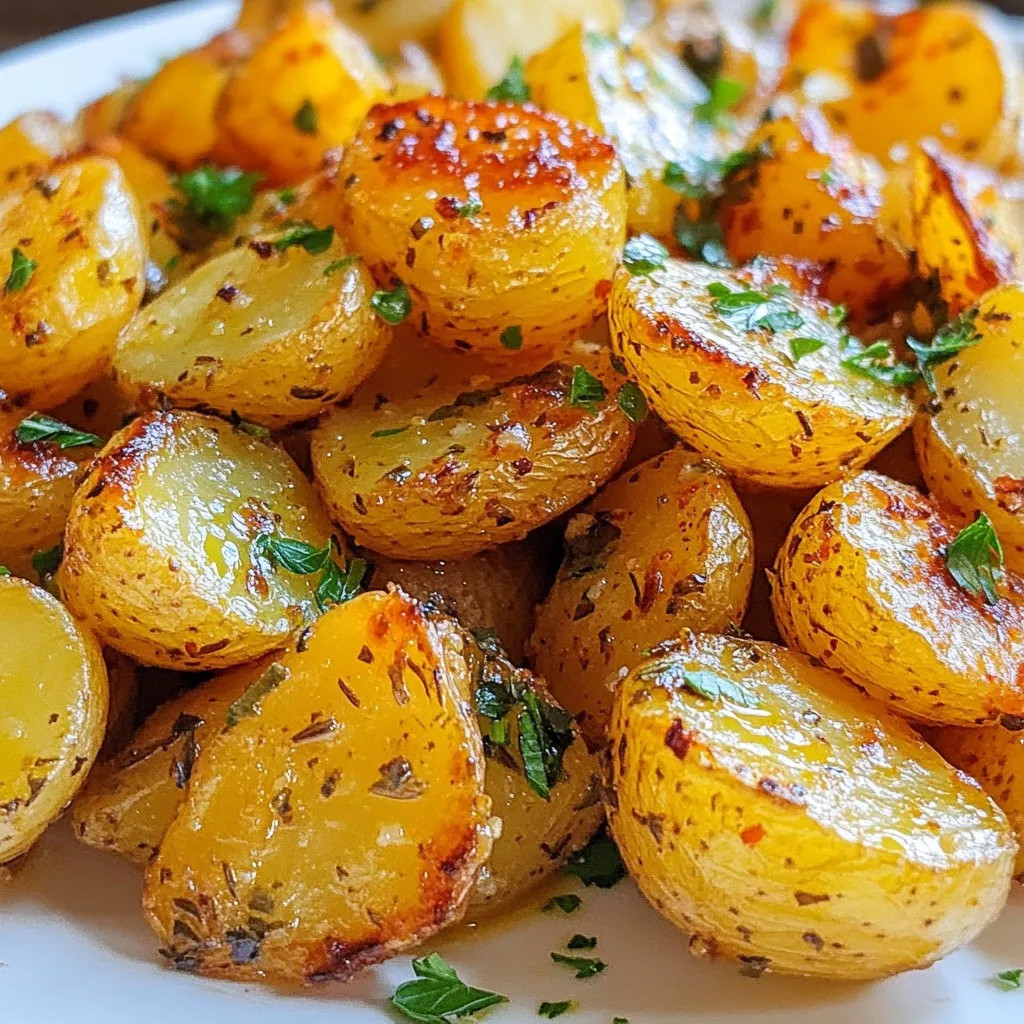
Garlic Herb Roasted Potatoes Simple and Tasty Dish

Looking for a simple and tasty dish that will impress? Garlic Herb Roasted Potatoes are your answer! This flavorful recipe combines baby potatoes with garlic, rosemary, and thyme for a dish that’s easy to make and hard to resist. Whether you’re hosting friends or just enjoying a family meal, these roasted potatoes are sure to be a hit. Let’s dive into the ingredients and make something delicious today!
Why I Love This Recipe
- Simple Preparation: This recipe requires minimal prep time and uses everyday ingredients, making it accessible for any home cook.
- Flavorful Combination: The blend of garlic and herbs creates a delicious aroma and taste that elevates the humble potato to new heights.
- Versatile Side Dish: These roasted potatoes pair beautifully with a variety of main courses, from grilled meats to vibrant salads.
- Perfectly Crispy: Roasting at high heat ensures that the potatoes develop a golden-brown, crispy exterior while remaining tender on the inside.
Ingredients
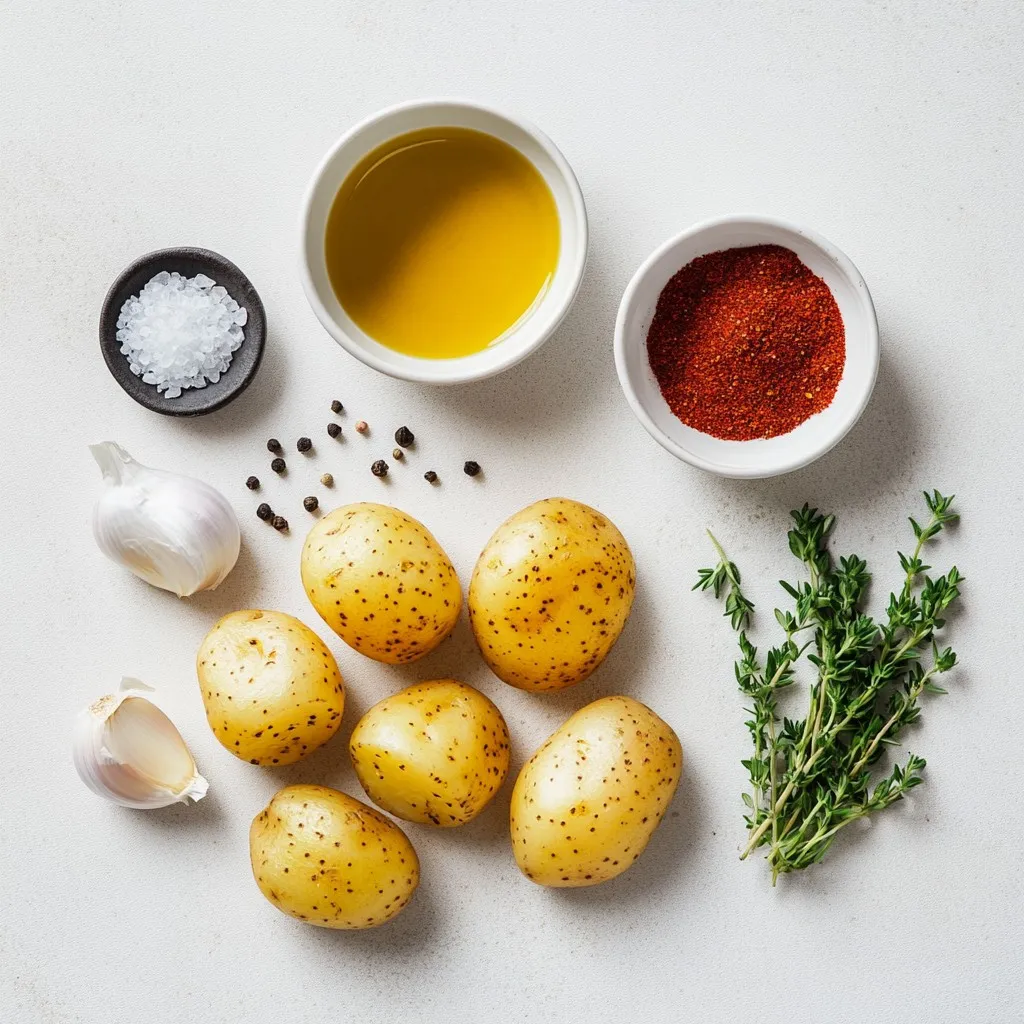
List of Ingredients
- 2 pounds of baby potatoes (halved or quartered)
- 4 tablespoons of extra virgin olive oil
- 4 cloves of fresh garlic (minced)
- 2 teaspoons of dried rosemary (crushed)
- 2 teaspoons of dried thyme
- 1 teaspoon of smoked paprika
- Salt and freshly cracked black pepper (to taste)
- Fresh parsley (for garnish)
Ingredient Quality Tips
Choosing high-quality olive oil:
Select extra virgin olive oil for rich flavor. Look for a dark bottle to protect it from light. Check the harvest date for freshness.
Selecting fresh vs. dried herbs:
Fresh herbs add bright flavor. Use them if you have them. Dried herbs are great for convenience. Crush them to release more aroma.
Measurement Conversions
Converting ounces to tablespoons:
Remember, 1 ounce equals about 2 tablespoons. Use this for precise measurements.
Adjusting for different serving sizes:
If you want more servings, simply double the ingredients. Keep the same ratios for best results.
Step-by-Step Instructions
Prepping the Oven and Ingredients
Preheat your oven to 425°F (220°C). This step is key for getting crispy, golden potatoes. A hot oven helps the potatoes roast evenly.
Mixing the Ingredients
In a big mixing bowl, add 2 pounds of halved or quartered baby potatoes. Toss in 4 minced garlic cloves and 4 tablespoons of extra virgin olive oil. Sprinkle in 2 teaspoons of crushed rosemary, 2 teaspoons of thyme, and 1 teaspoon of smoked paprika. Add salt and pepper to taste. Use your hands or a spoon to mix well. Make sure every potato is coated with the herbs and oil.
Roasting Instructions
Line a large baking sheet with parchment paper. This keeps the potatoes from sticking. Spread the seasoned potatoes in a single layer. Don’t overcrowd them to ensure they cook properly.
Place the baking sheet in the oven. Roast the potatoes for 25-30 minutes. Halfway through, flip the potatoes with a spatula. This helps them brown and crisp up evenly.
When they are golden brown and fork-tender, take them out. Let them cool for a few minutes. Just before serving, add fresh parsley on top for color and flavor. Enjoy these tasty garlic herb roasted potatoes!
Tips & Tricks
Achieving Perfect Roasted Potatoes
To get the best garlic herb roasted potatoes, make sure to coat them well. Use your hands to mix the potatoes, oil, and herbs in a bowl. This ensures each piece gets flavor. For crispier potatoes, spread them in a single layer on the baking sheet. Avoid overcrowding. This allows hot air to circulate around each potato.
Flavor Enhancement Suggestions
Want more flavor? Try adding spices like onion powder or chili flakes. You can also marinate the potatoes before roasting. This gives time for the flavors to sink in. Use a mix of olive oil and herbs for a tasty soak. Let them marinate for 30 minutes to an hour for the best taste.
Cooking Time Adjustments
Different potatoes need different cooking times. If you use larger potatoes, cut them into smaller pieces. This way, they cook evenly. A larger piece can take longer to roast. Check them often. If you have a new oven, you might need to adjust the time. Keep an eye on the potatoes, so they don’t burn.
Pro Tips
- Use Fresh Herbs: Fresh herbs can enhance the flavor profile of your roasted potatoes even more than dried ones. Consider using fresh rosemary or thyme, adding them in the last 10 minutes of roasting for a burst of freshness.
- Cut Evenly: Ensure all potato pieces are cut to a similar size for even cooking. This will help them roast uniformly, achieving that perfect golden crispiness on all sides.
- Don’t Crowd the Pan: Give your potatoes enough space on the baking sheet. Overcrowding can cause them to steam rather than roast, resulting in a softer texture instead of the desired crispiness.
- Experiment with Spices: Feel free to add your favorite spices to the mix, such as garlic powder, onion powder, or even a pinch of cayenne for a kick. Adjusting the spice blend can create a unique flavor every time!

Variations
Herb Variations
You can choose fresh or dried herbs for your roasted potatoes. Fresh herbs have a bright flavor, while dried herbs offer convenience. If you use fresh rosemary or thyme, use about three times more than dried. Try mixing herbs for a unique twist. For example, combine dill and basil for a fresh taste.
Flavor Additions
Adding cheese or other flavors can make this dish special. Grated Parmesan adds a nice touch and melts beautifully. For a spicy kick, sprinkle chili flakes on top. This adds depth and excitement to every bite. You can also try adding lemon zest for a hint of brightness.
Cooking Method Alternatives
If you want to try a different method, use an air fryer. It cooks the potatoes quickly and gives them a crispy exterior. Simply toss the seasoned potatoes in the air fryer basket and cook at 400°F for about 20 minutes. You can also use a stovetop skillet. Heat oil in a skillet, add the potatoes, and cook until golden brown. Flip them for even cooking and enjoy a different texture.
Storage Info
Storing Leftovers
To store your garlic herb roasted potatoes, let them cool first. Place them in an airtight container. This keeps them fresh and tasty. In the fridge, they last up to 3 days. Always label your container with the date for easy tracking.
Freezing Instructions
If you want to freeze them, you can! First, let the potatoes cool completely. Then, spread them on a baking sheet in a single layer and freeze for 1-2 hours. Once frozen, transfer them to a freezer-safe bag. They can stay fresh for up to 2 months. When you want to eat them, reheat in the oven at 375°F (190°C) until hot.
Using Leftover Potatoes
There are many fun ways to use leftover potatoes. You can mash them for a creamy side. Chop them for a breakfast hash with eggs. Toss them in a salad for extra flavor. Try adding them to soups or stews for heartiness. Roasted potatoes also make a great filling for tacos or wraps.
FAQs
How can I make my garlic herb roasted potatoes extra crispy?
To make your garlic herb roasted potatoes extra crispy, follow these tips:
- Cut potatoes evenly: Ensure your potato pieces are the same size. This helps them cook evenly.
- Soak before roasting: Soak the cut potatoes in cold water for 30 minutes. This removes excess starch and promotes crispiness.
- Use high heat: Roast at a high temperature, around 425°F (220°C). This helps create a crispy outside.
- Space them out: Spread the potatoes in a single layer on the baking sheet. Overcrowding leads to steaming, not roasting.
- Flip halfway: Turn the potatoes halfway through cooking. This allows all sides to brown nicely.
Can I use larger potatoes instead of baby potatoes?
Yes, you can use larger potatoes. Here’s how to adjust:
- Cut larger potatoes: Cut them into smaller pieces, about 1 to 2 inches, for even cooking.
- Cooking time: Larger pieces may take longer to cook. Check them after 30 minutes and add more time if needed.
- Peeling: You can peel them if you prefer, but the skin adds extra flavor and texture.
What are the best herbs to use for roasted potatoes?
When choosing herbs for roasted potatoes, consider these options:
- Rosemary: This herb adds a robust flavor that pairs well with potatoes.
- Thyme: It offers a gentle, earthy taste that enhances the dish.
- Parsley: Often used as a garnish, it adds freshness and color.
- Oregano: This herb brings a warm and slightly peppery flavor.
- Sage: Its strong taste is great for a rich, savory dish.
Feel free to mix and match these herbs based on your taste!
This blog post detailed how to make garlic herb roasted potatoes. We covered essential ingredients, quality tips, and step-by-step instructions for roasting. I shared ways to enhance flavor, achieve perfect texture, and suggested how to store leftovers.
Remember, high-quality ingredients lead to tasty dishes. Be creative with herbs and spices. Cooking should be fun, so experiment! Enjoy your roasted potatoes and make them your own. Each bite should bring you jo
Garlic Herb Roasted Potatoes Delight
Ingredients
- 2 pounds baby potatoes, halved or quartered for larger pieces
- 4 tablespoons high-quality extra virgin olive oil
- 4 cloves fresh garlic, minced into small pieces
- 2 teaspoons dried rosemary, crushed
- 2 teaspoons dried thyme
- 1 teaspoon smoked paprika for depth
- to taste Salt and freshly cracked black pepper
- to taste Fresh parsley, chopped finely (for garnish)
Instructions
- Begin by preheating your oven to 425°F (220°C) to ensure it's hot and ready for roasting.
- In a spacious mixing bowl, add the halved (or quartered) baby potatoes along with the minced garlic. Pour in the olive oil and sprinkle in the dried rosemary, thyme, smoked paprika, salt, and pepper.
- Using your hands or a large spoon, toss the potatoes and seasonings together thoroughly until every potato piece is evenly coated in the aromatic oil and herb mixture.
- Line a large baking sheet with parchment paper to prevent sticking and make for easier cleanup. Spread the seasoned potatoes in a single layer on the baking sheet, ensuring they are not overcrowded.
- Place the baking sheet in the oven and roast the potatoes for 25-30 minutes. Halfway through the cooking time, use a spatula to flip the potatoes for even browning and crispiness.
- When the potatoes are golden brown and fork-tender, carefully remove them from the oven, and allow them to cool for a few minutes.
- Just before serving, sprinkle the chopped fresh parsley over the roasted potatoes for a vibrant color contrast and burst of flavor.


![- 8 oz linguine or spaghetti - 1 lb large shrimp, peeled and deveined - 4 cloves garlic, finely minced - 1/4 cup extra-virgin olive oil - 1 teaspoon red pepper flakes - 1/2 cup fresh parsley, finely chopped - 1 lemon, juiced and zested - Salt and freshly ground black pepper to taste - Grated Parmesan cheese (optional) To make Quick Garlic Shrimp Pasta, you need fresh and quality ingredients. The base of this dish is linguine or spaghetti, which holds the sauce nicely. I love using large shrimp because they cook quickly and have a great flavor. Garlic is a must here. It adds a rich, aromatic taste that makes the dish special. Next, the olive oil brings everything together. I always choose extra-virgin for its fresh and fruity flavor. Red pepper flakes add that perfect kick. Adjust the amount to fit your spice level. Fresh parsley brightens the dish, making it look vibrant. The lemon juice and zest add a zesty touch that balances the richness. Don’t forget salt and pepper to enhance all the flavors. If you want to make it extra savory, sprinkle some grated Parmesan cheese on top. These ingredients work together to create a dish that is simple yet full of flavor. For the full recipe, refer to the section above. - Bring a large pot of water to a boil. - Add salt to the water for flavor. - Cook the pasta according to the package instructions. - Reserve about 1 cup of the pasta water before draining. - Heat olive oil in a large skillet over medium heat. - Add minced garlic and red pepper flakes. - Sauté the garlic for about 30 seconds until fragrant. - Introduce the shrimp into the skillet. - Season the shrimp with salt and black pepper. - Cook for about 2-3 minutes until the shrimp turn pink and opaque. - Toss the cooked pasta into the skillet with the shrimp. - Add the reserved pasta water for creaminess. - Pour in lemon juice and zest for brightness. - Fold in the chopped fresh parsley for a fresh taste. - Taste and adjust seasoning if needed. - Plate the pasta into individual bowls. - Garnish with extra parsley and a lemon wedge. - Serve warm and enjoy this dish. For detailed cooking steps, check the Full Recipe. To get the best garlic taste, avoid burning it. When you heat garlic, it should become fragrant but not brown. Burnt garlic can taste bitter and ruin your dish. Start with medium heat and watch it closely. If you like spice, adjust the red pepper flakes. Add more for heat or less for mildness. Taste as you go, and find what suits you best. Cooking pasta to al dente is key. This means the pasta should be firm but not hard. Overcooked pasta can turn mushy and lose its bite. Before draining your pasta, save some pasta water. This starchy water helps the sauce stick and adds flavor. It’s a simple trick that makes a big difference! For side dishes, consider a fresh salad or garlic bread. These pair well with the pasta and add balance to your meal. When it comes to wine, a crisp white wine works best. Look for a Sauvignon Blanc or a Pinot Grigio. These wines enhance the garlic flavors and make the meal feel special. {{image_4}} You can switch up the pasta to fit your needs. Try whole wheat or gluten-free pasta. Both options work well with this dish and add a different taste. Fresh herbs can change the flavor too. Use basil or chives for a fresh twist. They brighten up the shrimp pasta and add a new layer of taste. You can explore other seafood options if you want. Scallops and calamari both taste great in this dish. They offer a nice change from shrimp while keeping the dish light. For a vegetarian version, use mushrooms instead of shrimp. Mushrooms have a meaty texture and soak up flavors well. This swap keeps the dish satisfying without meat. Want a richer sauce? Adding cream can make your dish more decadent. It gives the pasta a smooth texture that many love. You can also add cherry tomatoes for freshness. They pop with flavor and add color to your plate. This small change can elevate your garlic shrimp pasta experience. For a full recipe, check out the details above. To store leftover pasta, place it in an airtight container. Make sure to let it cool first. This helps prevent sogginess. You can keep it in the fridge for up to three days. After that, the shrimp may lose its quality. Always check for any off smells or changes in color before eating. When reheating pasta, use a skillet. This keeps the dish from getting too dry. Add a splash of water or olive oil to help. Heat it on low, stirring gently. Avoid using the microwave if you can. It can make the shrimp rubbery. Always taste a little before serving to ensure it's warm and flavorful. Yes, you can freeze garlic shrimp pasta! First, let the dish cool completely. Then, place it in a freezer-safe container. Leave some space for expansion. You can freeze it for up to two months. To thaw, move it to the fridge overnight. Reheat it on the stove, adding a bit of water or oil to restore moisture. You can make Quick Garlic Shrimp Pasta in about 30 minutes. - Prep time: 10 minutes - Cooking time: 20 minutes Yes, you can use frozen shrimp. Just thaw them first. - To thaw shrimp, place them in cold water for about 15-20 minutes. - Ensure shrimp are peeled and deveined before cooking. You can pair this dish with several sides: - A fresh garden salad - Garlic bread for dipping - Steamed vegetables like broccoli or asparagus To reduce the spice, you can: - Use fewer red pepper flakes or omit them. - Add more olive oil or butter to mellow the heat. I recommend using linguine or spaghetti. - These pasta types hold the sauce well. - You can also try fettuccine for a different texture. For the full recipe, refer to the [Full Recipe]. Quick Garlic Shrimp Pasta is simple and tasty. You learned about key ingredients, cooking steps, and useful tips. I focused on making garlic and shrimp shine while keeping it easy. You can swap out ingredients, store leftovers, and reheat without losing flavor. Try different flavors to make it your own. Follow these steps, and enjoy a delicious meal any day of the week. Cooking should be fun and satisfying, so gather your ingredients and start creating!](https://dishtreats.com/wp-content/uploads/2025/06/6901a993-fcd3-4db1-9297-5790b6f94dfa-768x768.webp)
![- 1 cup green or brown lentils - 1 tablespoon olive oil - 1 medium onion, finely chopped - 2 cloves garlic, minced - 2 medium carrots, diced into bite-size pieces - 2 stalks celery, diced - 1 red bell pepper, diced - Ground cumin - Smoked paprika - Turmeric - Salt - Black pepper - 6 cups vegetable broth (preferably low-sodium) - 1 (14-ounce) can diced tomatoes, including their juices - 2 tablespoons fresh lemon juice In this vegan lentil soup, I love using green or brown lentils. They add a hearty feel. The olive oil helps to sauté the veggies, making them soft and full of flavor. The mix of vegetables is key. You need an onion for sweetness. Garlic adds a nice kick. Carrots and celery give texture. The red bell pepper adds color and sweetness. For spices, I use ground cumin and smoked paprika. They bring warmth and depth. A bit of turmeric adds a lovely golden hue. Salt and black pepper round out the flavors. Liquid ingredients are vital too. I use vegetable broth for a rich base. Diced tomatoes add acidity and sweetness. Lastly, fresh lemon juice brightens the dish. You can find the full recipe above for all the details! - Rinse the lentils and chop the vegetables. - Heat olive oil and sauté onion and garlic. Start by rinsing one cup of green or brown lentils under cold water. This helps remove any dirt or debris. While the lentils drain, chop your vegetables. You will need one medium onion, two cloves of garlic, two medium carrots, two stalks of celery, and one red bell pepper. Next, in a large pot, heat one tablespoon of olive oil over medium heat. Add the chopped onion and cook for about five minutes. Stir until it becomes soft and clear. Then, add the minced garlic. Cook for one more minute to release its wonderful aroma. - Incorporate remaining vegetables and spices. - Add lentils, broth, and tomatoes, bring to a boil. Now, add the diced carrots, celery, and red bell pepper to the pot. Cook for another five to seven minutes. Stir often until the vegetables become tender. To build flavor, sprinkle in one teaspoon of ground cumin, one teaspoon of smoked paprika, and half a teaspoon of turmeric. Mix well and cook for one more minute. After the spices bloom, add the rinsed lentils, six cups of vegetable broth, and one can of diced tomatoes with their juices. Increase the heat and bring this mixture to a boil. Once it boils, reduce the heat and cover the pot. Let it simmer for 25 to 30 minutes, or until the lentils are soft but not mushy. - Simmer and add kale. - Season and serve. Once the lentils are cooked, stir in two cups of chopped kale. Let it simmer for an additional five to seven minutes. The kale should turn bright green and wilted. Now, season your soup with salt, freshly ground black pepper, and two tablespoons of fresh lemon juice. The lemon juice adds a nice zing. Taste it and adjust the seasoning as needed. Serve the soup hot, garnished with fresh parsley for a hint of color and flavor. For a full recipe, please see the [Full Recipe]. Enjoy your warm and nourishing vegan lentil soup! To boost the taste of your vegan lentil soup, consider these tips: - Add spices: Try bay leaf for depth or chili flakes for heat. - Sauté longer: Cook your vegetables a bit more. This gives a richer, deeper flavor. This soup shines when paired with the right sides. Here are my favorite ways: - Bread: Serve it with homemade bread for a warm, cozy meal. - Garnishes: Top it with nutritional yeast for a cheesy flavor or creamy avocado for richness. Lentils are packed with nutrients. Here’s why they are great: - Nutritional benefits: They provide protein, fiber, and iron, making them a healthy choice. - Leafy greens: Adding kale boosts vitamins and minerals. It also adds color and texture. For the full experience, check out the Full Recipe. These tips will help you create a dish that's not just tasty but also nourishing! {{image_4}} You can switch lentils for other beans or pulses. Black beans or chickpeas work well. Each bean adds a unique taste and texture to the soup. You can also use seasonal vegetables. Try zucchini in summer or butternut squash in fall. These swaps keep your soup fresh and exciting. To make your soup creamier, add coconut milk. It gives a rich texture and a hint of sweetness. You can also use fresh herbs like basil or cilantro. They add bright flavors and an herbal kick. A sprinkle of fresh herbs before serving makes a big difference. If you want a faster option, try an Instant Pot. Cook the soup on high pressure for about 15 minutes. You can also use a slow cooker. Simply set it on low for 6-8 hours. For a creamy version, use a blender. Blend half the soup and mix it back in. This makes the soup thick and smooth. Explore the [Full Recipe] for more ideas on making this soup your own! After enjoying your vegan lentil soup, you can store leftovers easily. Let the soup cool down first. Then, transfer it to airtight containers. Glass or plastic containers work well for this. Store it in the fridge for up to five days. For longer storage, freeze the soup. Use freezer-safe containers or bags to prevent freezer burn. The soup can last up to three months in the freezer. When it’s time to enjoy the soup again, reheat it gently. You can use a pot on the stove or a microwave. If using a pot, heat it over medium-low until warm. Stir occasionally to prevent sticking. In the microwave, use a microwave-safe bowl. Heat in short bursts, stirring in between. This helps heat evenly. Avoid overcooking, as the lentils may become mushy. Preparing for future meals is smart and easy with this soup. Chop your vegetables ahead of time, like onion, garlic, and carrots. Store them in the fridge for quick use. You can also rinse your lentils in advance and keep them in a container. Making larger batches is a great idea too. This way, you always have a warm, nourishing meal ready. Just follow the full recipe and freeze extra portions for busy days. Green and brown lentils are great for soup. They hold their shape well. Green lentils have a slightly peppery taste. Brown lentils are milder and cook faster. Both work well in this vegan lentil soup. Yes, you can adapt this recipe. If you prefer meat, try adding cooked chicken or sausage. For dairy, a splash of cream or some cheese can add richness. Just remember, this makes it less vegan. To thicken your soup, you have a few options. You can mash some lentils against the pot. Adding a spoonful of tomato paste also helps. If you want a creamier feel, blend a portion of the soup. These techniques will help you achieve the perfect consistency. For more details, check the full recipe. This blog post covers the key aspects of making a hearty lentil soup. We discussed the essential ingredients, including lentils, vegetables, and spices. I shared step-by-step instructions for preparing and cooking the soup. We explored tips for enhancing flavors and serving suggestions. You can create variations with different ingredients and learn best practices for storing and reheating leftovers. Lentil soup is a healthy, versatile meal that is easy to make. Enjoy experimenting with your own flavors and keep discovering new ways to make it.](https://dishtreats.com/wp-content/uploads/2025/06/c46bc7f1-46e5-4579-b786-1848127316df-768x768.webp)