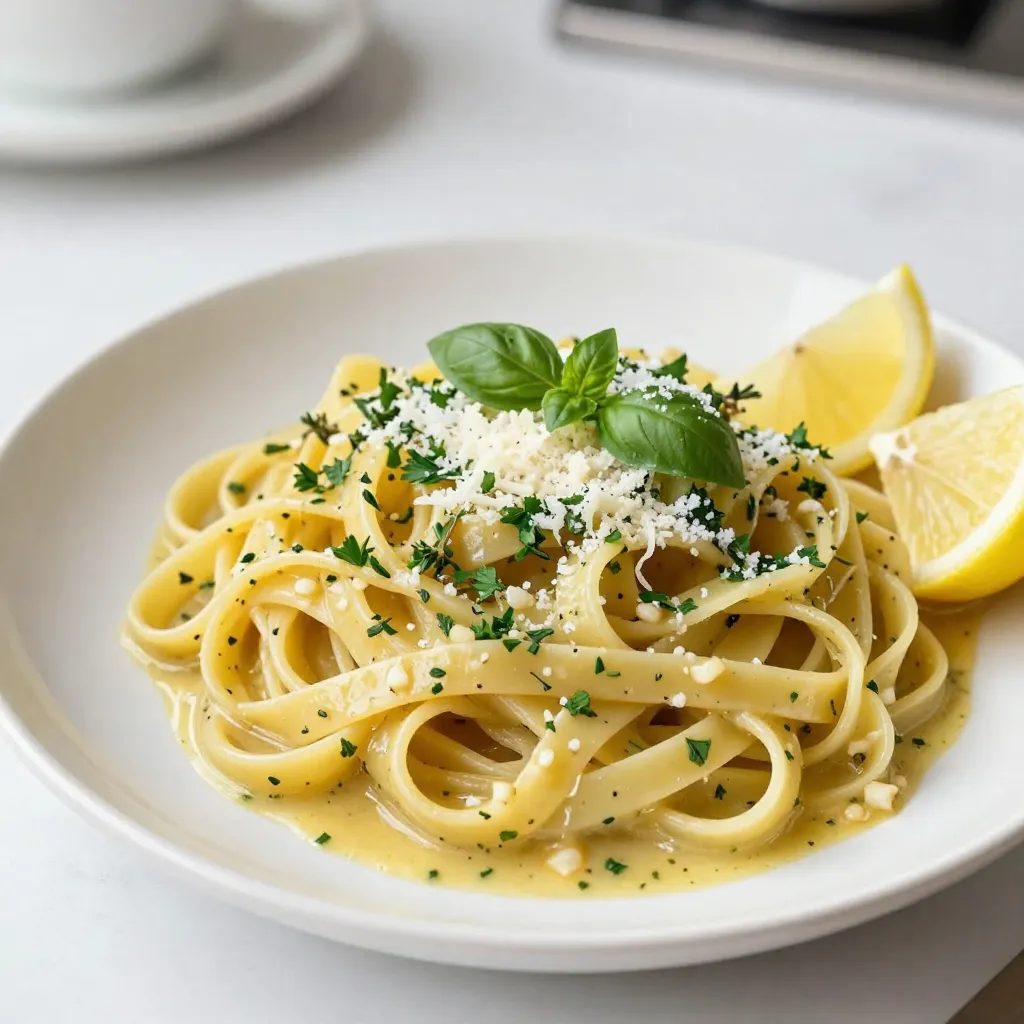
Looking for a quick, tasty meal? You’ve found it! Garlic Herb Buttered Noodles are easy to make and packed with flavor. In just a few steps, you can whip up this delightful dish using simple ingredients. Whether it’s a busy weeknight or a cozy weekend dinner, these noodles will impress everyone at your table. Let’s dive into the tasty details and get cooking!
Why I Love This Recipe
- Quick and Easy: This recipe comes together in just 20 minutes, making it perfect for busy weeknights or last-minute dinners.
- Flavorful Ingredients: The combination of garlic, fresh herbs, and butter creates a rich and aromatic dish that is sure to please anyone’s palate.
- Customizable: You can easily adjust the herbs and spices according to your taste preferences, or even add in vegetables or proteins for a heartier meal.
- Impressive Presentation: With a sprinkle of Parmesan cheese and a squeeze of lemon, these noodles look and taste gourmet, making them perfect for entertaining.
Ingredients
Essential Ingredients for Garlic Herb Buttered Noodles
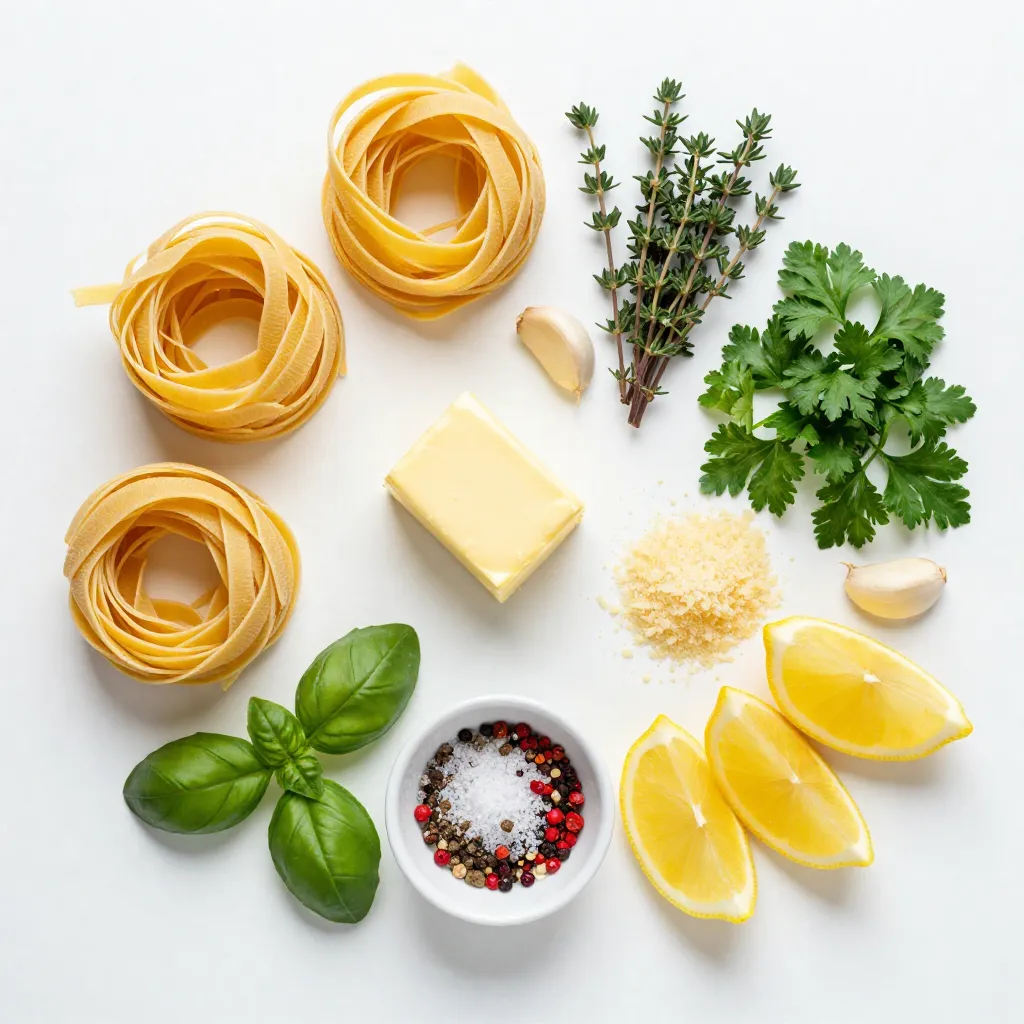
You need just a few simple items to make Garlic Herb Buttered Noodles. Here’s what you should have:
– 8 oz fettuccine or spaghetti
– 4 tablespoons unsalted butter
– 4 cloves garlic, minced
– 1 teaspoon fresh thyme leaves
– 1 teaspoon fresh parsley, chopped
– 1 teaspoon fresh basil, chopped
– Salt and pepper to taste
These ingredients create a rich and flavorful base.
Optional Ingredients to Enhance Flavor
You can add some extra ingredients to boost the taste. Consider these options:
– 1/4 teaspoon red pepper flakes (for a spicy kick)
– Lemon wedges (for a bright finish)
These ingredients can add a nice twist to the dish.
Suggested Toppings and Garnishes
When serving, you can make your dish even better with toppings. Try these ideas:
– Grated Parmesan cheese
– Extra fresh herbs (like basil or parsley)
These garnishes not only look good but also enhance the overall flavor. Enjoy your meal!
Step-by-Step Instructions
Cooking the Noodles
To start, boil a large pot of salted water. Once it is bubbling, add 8 oz of fettuccine or spaghetti. Cook the pasta according to the package instructions until it is al dente. Al dente means the noodles should have a slight bite. Before you drain the noodles, save about 1/2 cup of the starchy pasta water. This water adds creaminess later. Drain the noodles in a colander and set them aside.
Preparing the Garlic Herb Butter
Next, grab a large skillet and heat 4 tablespoons of unsalted butter over medium heat. Once the butter melts, add 4 cloves of minced garlic. Sauté the garlic gently for 1-2 minutes until it smells fragrant. Stir carefully to prevent browning, which can taste bitter. After that, add 1 teaspoon each of fresh thyme leaves, chopped parsley, and chopped basil. If you like a bit of spice, toss in 1/4 teaspoon of red pepper flakes. Season with salt and pepper. Cook this mixture for 1 more minute to blend the flavors.
Combining Noodles with Garlic Herb Butter
Now it’s time to bring it all together. Add the drained noodles into the skillet with the garlic herb butter. Toss the noodles gently to coat them evenly. If the mixture looks dry, add small amounts of the reserved pasta water. This will help make it creamy. Taste the noodles and adjust the seasoning if needed. Once everything is mixed well, plate the noodles. Don’t forget to top with grated Parmesan cheese and serve with lemon wedges for a fresh kick!
Tips & Tricks
Best Practices for Cooking Pasta
To cook pasta well, start with a large pot. Use plenty of water, about 4-6 quarts. Add salt to the water before boiling. This step adds flavor. Bring the water to a rolling boil before adding your pasta. Stir the pasta right after adding it to prevent sticking. Cook it until it is al dente, which means firm to the bite. This usually takes 8-10 minutes for fettuccine or spaghetti. Save some pasta water before draining. This starchy water helps make your sauce creamy later.
How to Achieve Creamy Noodles
To create creamy noodles, the key is the pasta water. After draining, add the noodles to the skillet with garlic herb butter. Toss them gently to coat. If the noodles seem dry, add small amounts of the reserved pasta water. Stir until you reach the perfect creamy texture. The butter, along with the starchy water, combines to create a rich sauce. Remember, you can always add more water, but it’s hard to fix if you add too much.
Adjusting Flavors & Seasoning
Taste your dish as you cook. This helps you adjust the flavors. Start with salt and pepper, then add herbs like thyme, parsley, and basil. If you like a little heat, sprinkle in red pepper flakes. For a brighter taste, serve with lemon wedges. A squeeze of lemon enhances the noodles and adds freshness. Adjust the seasoning to your liking, and don’t be afraid to experiment. Cooking is about finding your favorite flavors!
Pro Tips
- Choose the Right Pasta: For this recipe, fettuccine or spaghetti works best as they hold the sauce well, allowing for a deliciously coated dish.
- Don’t Overcook the Garlic: When sautéing garlic, keep an eye on it to prevent burning. A fragrant, golden hue is what you want for optimal flavor.
- Use Starchy Pasta Water: The reserved pasta water helps to create a creamier sauce. Add it gradually until you reach your desired consistency.
- Fresh Herbs Make a Difference: Using fresh herbs instead of dried can elevate the flavor profile of the dish significantly, making it taste more vibrant and fresh.
Variations
Substitutions for Different Pasta Types
You can use any pasta you like for garlic herb buttered noodles. Fettuccine and spaghetti are great, but penne, linguine, or even whole wheat pasta work well too. Each pasta shape will hold the sauce differently, so choose one that you enjoy. If you prefer gluten-free options, look for rice or chickpea pasta. They add a unique flavor and texture.
Adding Protein or Vegetables
To make this dish heartier, add protein or vegetables. Cooked chicken, shrimp, or tofu blends nicely with the noodles. For veggies, consider adding spinach, peas, or cherry tomatoes. Sauté them in the skillet before adding the garlic and herbs. This adds color, nutrients, and flavor. You can also toss in cooked bacon or sausage for added richness.
Flavor Profile Adjustments
Adjust the flavors to your taste. For a zesty kick, add lemon zest or more red pepper flakes. If you love cheese, mix in cream cheese or ricotta for a creamy texture. Swap the herbs based on your preference. Oregano or dill can be nice alternatives. Don’t forget to taste as you go to find your perfect balance!
Storage Info
How to Store Leftovers
To keep your garlic herb buttered noodles fresh, let them cool first. Place the noodles in an airtight container. Make sure to cover them tightly. They will last in the fridge for 3 to 4 days. If you notice any signs of spoilage, such as a strange smell, it’s best to throw them out.
Reheating Tips for Garlic Herb Buttered Noodles
When you are ready to eat your leftovers, reheating is simple. You can use a skillet or microwave. If using a skillet, add a splash of water or broth. This helps steam the noodles and keeps them from drying out. Heat over low to medium heat, stirring gently. If you choose the microwave, cover the bowl with a damp paper towel. Heat in short bursts, stirring in between, until warm.
Freezing Guidelines
If you want to save garlic herb buttered noodles for later, freezing is a great option. First, cool the noodles completely. Then, portion them into freezer bags or containers. Be sure to remove as much air as possible before sealing. They can last in the freezer for up to 2 months. To use, thaw in the fridge overnight. Reheat using the tips above for best results.
FAQs
What is the best pasta to use for this recipe?
I recommend using fettuccine or spaghetti. Both types work well. Fettuccine has a flat shape that holds the sauce nicely. Spaghetti is classic and versatile, too. You can choose any pasta you prefer. Just make sure it has a good texture to grab that garlic herb butter.
Can I make this dish vegan?
Yes, you can make it vegan! Replace the butter with vegan butter or olive oil. Use nutritional yeast instead of Parmesan cheese for that cheesy flavor. Fresh herbs and garlic still shine in this dish. You won’t miss the dairy at all.
How can I make garlic herb butter ahead of time?
You can prepare garlic herb butter in advance. Simply melt the butter and mix in the minced garlic and herbs. Store this mix in an airtight container in the fridge. When you’re ready to use it, just warm it up before tossing with the noodles. This saves time and adds flavor fast!
Garlic herb buttered noodles are easy to make and delicious. We covered key ingredients and ways to add flavor. The step-by-step guide helps you cook perfectly every time. With tips for creamy noodles and serving ideas, you can customize this dish.
Store leftovers properly and learn to reheat them well. Enjoy these noodles your way, knowing you can make them ahead. Now you can create a tasty meal anytim