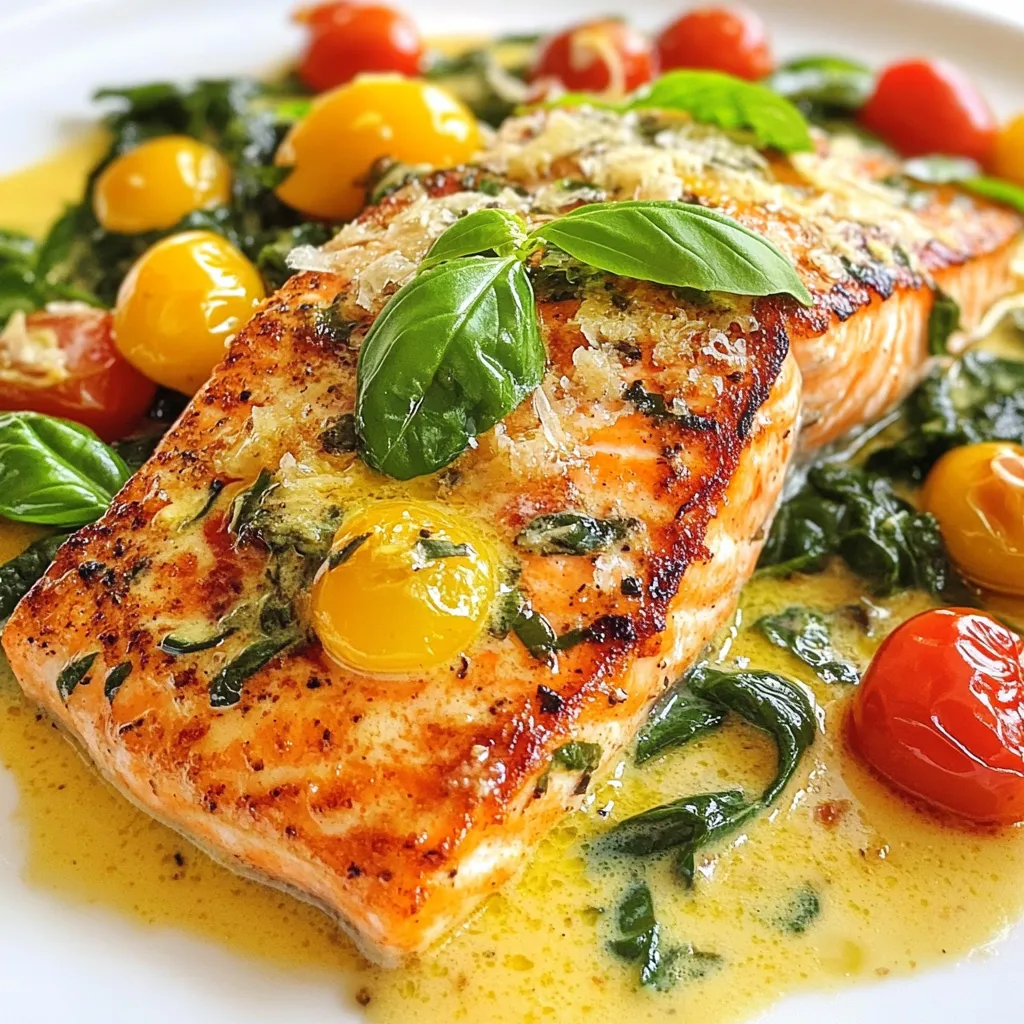
Creamy Garlic Tuscan Salmon Rich and Flavorful Meal

Looking for a rich and flavorful meal? You’ll love this Creamy Garlic Tuscan Salmon! With tender salmon fillets, creamy sauce, and bright cherry tomatoes, it bursts with taste. This dish is not just easy to make; it also impresses anyone at your table. In this article, I’ll guide you step-by-step to create a meal that’s sure to become a favorite. Let’s dive into these delicious flavors!
Why I Love This Recipe
- Deliciously Creamy: The rich heavy cream combined with garlic and tomatoes creates a luxurious sauce that perfectly complements the salmon.
- Quick and Easy: This recipe can be prepared in just 25 minutes, making it perfect for a weeknight dinner without sacrificing flavor.
- Colorful Presentation: The vibrant colors of the cherry tomatoes and fresh spinach make this dish as visually appealing as it is tasty.
- Customizable Spice: With optional red pepper flakes, you can easily adjust the heat level to suit your taste preferences.
Ingredients
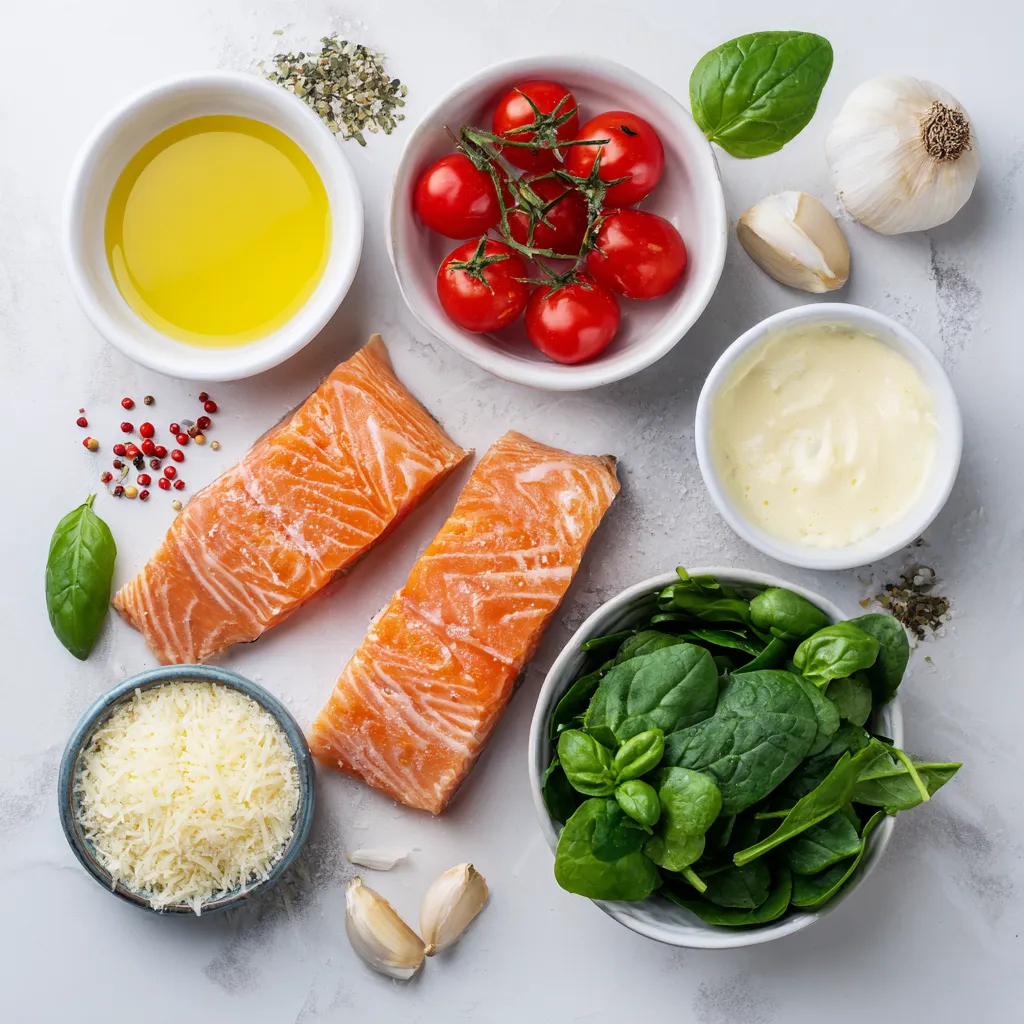
To create the rich and flavorful Creamy Garlic Tuscan Salmon, you need some simple yet fresh ingredients. Here’s what you will gather:
- 4 salmon fillets (skin on, about 6 ounces each)
- 2 tablespoons extra virgin olive oil
- 4 cloves garlic, finely minced
- 1 cup cherry tomatoes, halved for a burst of color
- 1 cup fresh baby spinach
- 1 cup heavy cream for richness
- 1/2 teaspoon dried Italian seasoning
- 1/4 teaspoon red pepper flakes (optional for a hint of spice)
- Salt and freshly ground black pepper to taste
- Fresh basil leaves for a fragrant garnish
- Grated Parmesan cheese, for a savory finish (optional)
These ingredients work together to create a creamy sauce that enhances the salmon’s natural flavors. The garlic and tomatoes bring a lovely taste, while the spinach adds a fresh touch. Using quality ingredients makes a big difference, so choose fresh salmon and ripe tomatoes for the best results.
Step-by-Step Instructions
Cooking the Salmon
Preparing the skillet
Start by heating 2 tablespoons of olive oil in a large skillet over medium heat. This oil helps cook the salmon and adds flavor.
Seasoning the salmon
While the oil heats, season both sides of the 4 salmon fillets with salt and pepper. This simple step boosts the flavor of the fish.
Flipping for perfect crispiness
Once the oil shimmers, place the salmon skin-side down in the skillet. Cook for 4-5 minutes until the skin is crispy. Then, gently flip the fillets and cook for another 3-4 minutes. The salmon should look opaque and flake easily when done. Remove the salmon and set it aside.
Making the Sauce
Sautéing garlic and tomatoes
In the same skillet, add 4 minced garlic cloves. Sauté them for about 30 seconds until fragrant. Be careful not to let the garlic burn, as it can taste bitter. Next, add 1 cup of halved cherry tomatoes, stirring them for 2-3 minutes until they soften.
Adding cream and seasonings
Pour in 1 cup of heavy cream, stirring well. Add 1/2 teaspoon of dried Italian seasoning and 1/4 teaspoon of red pepper flakes for a slight kick, if you like. Season with salt and pepper to taste. Let the sauce simmer for 2-3 minutes until it thickens just a bit.
Incorporating spinach
Fold in 1 cup of fresh baby spinach. Stir until the spinach wilts, which takes about 1 minute.
Final Assembly
Melding flavors with salmon
Return the cooked salmon to the skillet, placing it among the sauce. Spoon the creamy sauce over each fillet. Let it simmer for one more minute to blend the flavors.
Serving suggestions
Serve the dish hot on warmed plates. Make it look nice by adding fresh basil leaves and a sprinkle of grated Parmesan cheese on top. This dish pairs well with crusty bread or a side of pasta to soak up the creamy sauce. Enjoy!
Tips & Tricks
Achieving the Perfect Cook on Salmon
- Time and temperature guidelines: Cook the salmon at medium heat. It takes 4-5 minutes skin-side down. Flip and cook for another 3-4 minutes. The salmon should be opaque and flake easily.
- Checking for doneness: Use a fork to gently pull apart the thickest part. If it flakes, it’s done. If it looks shiny and wet, give it more time.
Enhancing the Flavor
- Using fresh herbs: Fresh basil adds a bright, aromatic touch. You can also try parsley or dill for a twist.
- Adding brightness with lemon juice: A squeeze of lemon juice before serving brightens the dish. It balances the cream and adds zest.
Presentation Tips
- Plating suggestions: Serve each salmon fillet on a warm plate. Spoon the creamy sauce over it. Add a few extra basil leaves for a fresh look.
- Ideal side dishes for pairing: Pair this dish with crusty bread or pasta. They soak up the creamy sauce and make the meal feel complete.
Pro Tips
- Choose the Right Salmon: Opt for wild-caught salmon for a firmer texture and richer flavor, though farmed salmon will work well too.
- Don’t Overcook the Salmon: Salmon is best when it’s slightly undercooked in the center. It will continue to cook in the residual heat once removed from the skillet.
- Customize Your Vegetables: Feel free to add other vegetables like zucchini or bell peppers to the dish for additional flavors and textures.
- Make It Ahead: This dish can be made ahead of time. Just reheat gently on low heat and add fresh spinach just before serving for the best results.

Variations
Customizing Ingredients
You can switch up the fish in this recipe. Salmon is great, but try using cod or trout for a different taste. Both fish provide a mild flavor, which works well with the creamy sauce.
For veggies, feel free to get creative. You can use zucchini, bell peppers, or asparagus. Each veggie adds its own unique flavor and texture. Just make sure to adjust the cooking time so they become tender but not mushy.
Adjusting Spice Levels
Do you prefer a mild dish? Skip the red pepper flakes. This keeps the meal creamy and rich without the heat. If you want a kick, add more flakes or some diced jalapeños. This will give the dish a nice spicy twist. Adjust the spice to suit your taste.
Dairy-Free Options
If you want a dairy-free version, you can substitute the heavy cream. Use coconut milk or cashew cream instead. Both options add a creamy texture without dairy. They also bring a unique flavor that can enhance the dish. Just make sure to simmer them long enough to blend well with the sauce.
Storage Info
How to Store Leftovers
To keep your Creamy Garlic Tuscan Salmon fresh, store it in an airtight container. Make sure it cools down before sealing. Place it in the fridge within two hours of cooking. This helps avoid bacteria growth. Properly stored, it lasts for about 2-3 days.
Reheating Instructions
When you reheat the salmon, aim to keep it moist. Use a skillet over low heat for best results. Add a splash of water or broth to the pan. Cover it to trap steam, which helps keep the salmon juicy. Heat it for about 5-7 minutes. Check the center to ensure it’s warm all the way through.
Freezing Guidelines
If you need to freeze the salmon, do so before reheating. Wrap each fillet tightly in plastic wrap. Then, place them in a freezer bag. This helps prevent freezer burn. The salmon can stay frozen for up to 3 months. To thaw, place it in the fridge overnight. This keeps the texture nice when you cook it again.
FAQs
Can I use frozen salmon fillets?
Yes, you can use frozen salmon fillets. Just make sure to thaw them in the fridge overnight. You can cook them directly from frozen too. Just add a few extra minutes to the cooking time. This will help keep the salmon moist and tender.
How can I make this recipe gluten-free?
To make this recipe gluten-free, ensure all ingredients are gluten-free. Most salmon and seasonings are safe. Use gluten-free pasta or serve with rice. Always check labels on sauces or seasonings for hidden gluten.
What sides pair well with Creamy Garlic Tuscan Salmon?
- Suggestions for side dishes:
- Steamed asparagus for a crisp texture.
- Garlic mashed potatoes to soak up the sauce.
- A fresh garden salad for a light crunch.
- Complementary flavors to consider:
- Lemon zest adds a bright touch.
- Crusty bread is great for dipping in the sauce.
- A side of roasted vegetables enhances the meal’s richness.
You have explored a tasty Creamy Garlic Tuscan Salmon dish. We covered ingredients like salmon, garlic, and cherry tomatoes. You learned how to cook salmon to crispy perfection, make a rich sauce, and creatively plate your meal.
Remember, you can customize the recipe with different fish or veggies. Store leftovers properly, and adjust spices to fit your taste. With these tips, you can enjoy a delightful meal any time. Get cooking and savor the flavor
Creamy Garlic Tuscan Salmon
Ingredients
- 4 fillets salmon (skin on, about 6 ounces each)
- 2 tablespoons extra virgin olive oil
- 4 cloves garlic, finely minced
- 1 cup cherry tomatoes, halved
- 1 cup fresh baby spinach
- 1 cup heavy cream
- 1 teaspoon dried Italian seasoning
- 1 4 teaspoon red pepper flakes (optional)
- to taste salt
- to taste freshly ground black pepper
- for garnish fresh basil leaves
- for serving grated Parmesan cheese (optional)
Instructions
- Heat the olive oil in a large skillet over medium heat. While the oil heats, season both sides of the salmon fillets generously with salt and pepper.
- Once the oil is shimmering (but not smoking), carefully place the salmon fillets skin-side down in the skillet. Cook for approximately 4-5 minutes, or until the skin becomes crispy and the salmon is visibly cooked halfway up the sides. Using a spatula, gently flip the fillets and continue cooking for 3-4 more minutes, or until the salmon is opaque and flakes easily with a fork. Once done, remove the salmon from the skillet and set it aside on a plate.
- In the same skillet, add the minced garlic. Sauté for about 30 seconds until fragrant, being cautious not to allow it to burn as this can create a bitter taste.
- Add the halved cherry tomatoes to the skillet, stirring to combine. Cook for about 2-3 minutes, or until the tomatoes start to soften and release their juices, creating a colorful base for the sauce.
- Gently pour in the heavy cream, stirring to blend with the tomato and garlic mixture. Next, sprinkle in the Italian seasoning, red pepper flakes (if using), and season with salt and pepper to taste. Allow the sauce to simmer for 2-3 minutes, stirring occasionally, until it thickens just slightly.
- Fold in the fresh baby spinach, stirring until it wilts into the sauce, which should take about 1 minute.
- Return the cooked salmon fillets to the skillet, nestling them amongst the sauce. Spoon the creamy sauce over the top of each fillet, then simmer for an additional minute to heat through and meld the flavors.
- Serve the dish hot, garnished with fresh basil leaves for an aromatic touch and a sprinkle of grated Parmesan cheese on top for an extra layer of flavor if desired.


![To make lemon garlic scallops, you need fresh and simple ingredients. Here is what you will need: - 1 pound sea scallops, thawed if previously frozen - 3 tablespoons extra virgin olive oil - 4 cloves garlic, finely minced - Zest and juice of 1 large lemon - Sea salt and freshly cracked black pepper, to taste - 1 tablespoon fresh parsley, finely chopped - Lemon slices for an elegant garnish Sea scallops are best for this dish. They have a sweet flavor and a firm texture. Choose bright, glossy scallops with a clean scent. Avoid any that smell fishy. Fresh garlic adds a punch of flavor. It gives depth and richness to the dish. Lemon brings brightness and acidity, balancing the sweet scallops. The zest adds an extra layer of lemony goodness. When sourcing ingredients, look for a trusted fish market. Ask about the origin of the scallops. Fresh, high-quality ingredients make a big difference in taste. You want to create a dish that shines with flavor and freshness. For the olive oil, choose a high-quality extra virgin variety. It enhances the overall flavor profile. Fresh parsley adds color and freshness at the end. Always use fresh herbs for the best taste. By selecting quality ingredients, you set the stage for a memorable meal. Follow the [Full Recipe] to create this delightful dish! First, drying scallops is key. Use paper towels to pat them dry. Moisture will stop them from searing well. Next, season both sides with sea salt and black pepper. A light touch works wonders here. When you place them in the skillet, space them out. Overcrowding will steam them instead of searing them. Heat your olive oil in a large skillet on medium-high heat. Watch for it to shimmer but not smoke. Carefully add the dry scallops in a single layer. Let them sear for 2-3 minutes without moving them. This helps form a nice golden crust. Once they look brown, gently flip them using tongs. Now, add the minced garlic to the pan. Cook for another 2-3 minutes. Stir the garlic to stop it from burning. The scallops should become opaque and fully cooked. Remove the skillet from heat right after cooking. Add the lemon zest and juice to the pan. Toss the scallops gently so they soak up the flavors. Lastly, sprinkle fresh parsley over the top. This adds color and fresh taste. For serving, place the scallops on a plate and drizzle the pan juices over them. Garnish with lemon slices for an elegant touch. You can pair them with sautéed greens or a crisp salad for a complete meal. - Overcooking scallops: This is a big mistake. Scallops cook fast. If you cook them too long, they become rubbery. Aim for a golden crust on the outside and opaque inside. - Not using enough oil for searing: Oil helps create a nice crust. If you skimp on oil, the scallops may stick. Use at least three tablespoons to get good results. - Ignoring the resting time post-cooking: Let your scallops rest for a minute after cooking. This helps them stay juicy. Don’t rush this step! - Recommended skillet types for best results: A heavy skillet works best. Cast iron or stainless steel distributes heat evenly. Avoid non-stick pans; they won’t give you a good sear. - Importance of temperature control: Start with a hot skillet. If it's too cool, scallops won’t brown. Heat the oil until it shimmers. This shows it’s ready for the scallops. - Suggestions for seasoning variations: Besides lemon and garlic, try fresh herbs or spices. Thyme, chili flakes, or even a splash of white wine can add depth. Experiment to find your favorite mix! For the full recipe, check out the details above and get cooking! {{image_4}} You can elevate your lemon garlic scallops with a few simple tweaks. - Incorporating herbs: Add fresh thyme or basil for a fragrant twist. These herbs enhance the dish’s aroma and add depth to the flavor. - Alternative citrus options: Try lime or orange juice for a unique taste. Each citrus brings its own brightness and pairs nicely with scallops. - Adding heat: If you like spice, sprinkle in some chili flakes or drizzle Sriracha. The heat balances the dish’s richness and excites your taste buds. Pair your scallops with sides to create a full meal. Here are some ideas: - Suggested side dishes: Serve with sautéed greens for a fresh crunch. A light salad or creamy risotto also works well to complement the scallops. - Pairing with wines or cocktails: A chilled white wine, like Sauvignon Blanc, enhances the dish. For cocktails, a gin and tonic is refreshing and bright. - Plating ideas: For a restaurant-style look, place the scallops on a clean plate. Drizzle the pan juices over them and add lemon slices for a pop of color. A sprinkle of parsley adds a final touch of green. For the full recipe, check out the Lemon Garlic Scallops recipe. After you finish your Lemon Garlic Scallops, store any extras right. First, place them in a shallow, airtight container. This helps keep them fresh. You can put them in the fridge for up to two days. If you wait longer, the taste and texture change. To reheat, use a non-stick skillet. Heat it over low to medium heat. Add a splash of water or broth to keep them moist. Cover the pan with a lid. This method helps keep the scallops tender. You can freeze scallops, but do it right. Raw scallops freeze well if you place them in a sealed bag. Remove as much air as possible. They can stay fresh for up to three months. If you want to freeze cooked scallops, make sure they cool first. Then, follow the same bag method. To thaw, leave them in the fridge overnight. Never thaw scallops in warm water. This can ruin their texture. When you reheat frozen scallops, use low heat again. Check them often to avoid overcooking. Enjoy your scallops as fresh as possible! For the full recipe, check out the details above. You should use sea scallops for this recipe. Sea scallops are larger and have a sweet taste. Bay scallops are smaller and can be more delicate. They work well in soups or pasta but may not sear as nicely. When picking scallops at the market, look for these signs: - They should smell fresh, like the ocean. - The meat should be firm and glossy. - Avoid scallops that look dry or have brown spots. Yes, you can use other oils. Grapeseed oil or avocado oil are good options. They have high smoke points, too. Using different oils can change the flavor. Olive oil adds a rich taste, while grapeseed is lighter. Choose based on your preference and what you have on hand. Perfectly cooked scallops are opaque and firm. They should have a golden crust outside. The safe internal temperature for scallops is 145°F (63°C). Use a food thermometer to check. If you don’t have one, look for that golden color and firm texture. For a full recipe, check out the Lemon Garlic Scallops guide! Lemon garlic scallops are a tasty dish that combines fresh ingredients and simple steps. Using quality sea scallops, fresh garlic, and lemon makes all the difference. I shared tips for cooking and avoiding common mistakes, like overcooking. Remember, you can customize your flavors with herbs or spices. Enjoy your cooking journey. Perfect scallops can impress anyone. With practice, you’ll master this dish and feel confident serving it. Take your time and savor the process!](https://dishtreats.com/wp-content/uploads/2025/07/19c1a638-1668-4343-8a69-d1fc169e2d79-768x768.webp)

![- 1 lb (450g) chicken breast, thinly sliced - 1 cup fresh Thai basil leaves, packed - 3 cloves garlic, minced - 2 red Thai chili peppers, thinly sliced (adjust based on your spice preference) For this dish, I prefer chicken breast. It cooks quickly and stays juicy. Fresh Thai basil gives this meal its unique flavor. Garlic adds a nice aroma, and Thai chili peppers bring heat. You can control the spice by adding more or less chili. - 2 tablespoons soy sauce - 1 tablespoon oyster sauce (or substitute with mushroom sauce for vegetarian) - 1 tablespoon fish sauce (or an extra tablespoon of soy sauce for vegetarian) - 1 teaspoon sugar (to balance flavors) - 1 tablespoon vegetable oil (for frying) These sauces are key to great taste. Soy sauce offers saltiness, while oyster and fish sauces add depth. Sugar balances the salty flavors, making everything taste better. - 1 bell pepper, sliced (your choice of color for visual appeal) - 1 small onion, sliced into thin wedges - Optional: other vegetables for added nutrition I like using bell pepper and onion for color and crunch. You can add other veggies like carrots or snap peas. They bring more nutrition and flavor, making the dish more vibrant. For the full recipe, refer to the [Full Recipe]. To start, you need to combine the chicken with the sauces. In a medium bowl, add the sliced chicken breast, soy sauce, oyster sauce, fish sauce, and sugar. Mix these ingredients well so the chicken gets all the flavor. Let it marinate for 15 minutes. This short time helps the chicken absorb the tasty sauces. Next, heat the vegetable oil in a large skillet or wok over medium-high heat. You want the oil to shimmer before adding anything. Then, add the minced garlic and sliced Thai chili peppers. Stir-fry them for about 30 seconds until they smell amazing. Be careful not to burn the garlic. Now, add the marinated chicken to the pan. Spread it out evenly for even cooking. Stir-fry for about 5 to 7 minutes. Cook until the chicken is no longer pink and has a nice brown color. After that, toss in the sliced bell pepper and onion. Stir-fry for another 3 to 4 minutes. This will make the vegetables tender but still crisp. Once the chicken and veggies are done, take the skillet off the heat. Gently fold in the fresh Thai basil leaves. They will wilt quickly from the heat and add a lovely aroma. Serve the dish hot, over a bed of fluffy jasmine rice. This rice complements the stir-fry well. Enjoy your Thai Basil Chicken Stir-Fry! For the full recipe, check out the details above. Using fresh ingredients makes a big difference. Fresh Thai basil gives a sweet and fragrant flavor to the dish. Always choose bright green basil leaves. They should smell strong and sweet. The chicken should be fresh, too. This keeps your stir-fry tasty and safe to eat. For the best flavor, cook on high heat. A hot pan helps to sear the chicken. This adds a nice caramel color and enhances the taste. When you add garlic and chili, cook them quickly. This brings out their strong flavors without burning them. You can change the heat level easily. If you want it milder, remove the seeds from the chili peppers. You can also use fewer peppers or substitute with sweet bell peppers. If you like a kick but want it less spicy, try adding sugar. It balances the heat. You can also use a bit of honey for sweetness without heat. Pair your Thai basil chicken stir-fry with jasmine rice. The rice absorbs the sauce well. You can also add a side of steamed veggies for extra nutrition. For garnishes, consider adding lime wedges or crushed peanuts. They add color and crunch. Fresh cilantro or extra basil leaves also make it pop. Enjoy your meal with these simple touches! For the full recipe, check out the details above. {{image_4}} For a vegetarian or vegan version, you can swap chicken for tofu or tempeh. These options give a nice texture. Use mushroom sauce instead of oyster sauce. It brings depth and umami flavor. For the fish sauce, simply add an extra tablespoon of soy sauce. This keeps the taste bold. To maintain flavor, marinate the tofu or tempeh just like chicken. Allow it to soak up the sauces. When cooking, make sure to press out excess moisture. This helps achieve that nice, crispy texture we all love. If you want to try something new, switch the chicken for shrimp or beef. Shrimp cooks quickly, so cut down the cooking time to about 3-4 minutes. Beef takes longer. Slice it thin and cook it for about 6-8 minutes. Remember, cooking times change based on what protein you use. Always make sure your protein is fully cooked before adding in the veggies. Want to shake things up? Add sauces like teriyaki or sriracha for an exciting twist. Teriyaki gives a sweet flavor, while sriracha adds heat. You can even mix both for a sweet and spicy kick. Feel free to experiment with herbs and spices too. Adding cilantro or mint can brighten the dish. Try a sprinkle of lime juice for an extra zest. These tiny changes can create a whole new taste experience. For the full recipe, check the section above. Enjoy cooking! To keep your Thai basil chicken stir-fry fresh, store it in an airtight container. Refrigerate the leftovers within two hours of cooking. If you want to save it longer, freeze the stir-fry. Make sure to cool it completely before freezing. This method helps retain flavor and texture. When you reheat your stir-fry, use a skillet for the best results. Heat it over medium warmth and stir often. This keeps the chicken juicy and prevents it from drying out. For rice, add a splash of water and cover it. This helps the rice steam and become fluffy again. In the fridge, your Thai basil chicken stir-fry lasts up to four days. If frozen, it can last for about three months. Always check for off smells or changes in color. If you see these, it's best to discard it for safety. Thai Basil Chicken Stir-Fry has roots in Thai street food. This dish reflects the vibrant flavors of Thai cuisine. It showcases fresh herbs, bold spices, and simple cooking techniques. Thai basil, known for its unique flavor, is key to this dish. It adds a sweet and slightly spicy note that enhances the chicken. This meal represents the balance of sweet, salty, and spicy tastes typical in Thai dishes. Each bite transports you to bustling markets in Thailand. Yes, you can prepare Thai basil chicken stir-fry in advance. Cook and store it in the fridge for up to three days. To keep it fresh, store it in an airtight container. When you are ready to eat, simply reheat it on the stove. This dish tastes even better the next day as flavors meld. Serve it over freshly cooked jasmine rice for a quick meal. If you cannot find Thai basil, you have options. Sweet basil or holy basil works well as a substitute. Sweet basil offers a milder flavor, while holy basil is spicier. You can also mix in a bit of mint for a fresh twist. While these substitutes change the taste slightly, they still create a tasty dish. Just remember, the flavor will differ from the original recipe. The spice level of Thai Basil Chicken Stir-Fry can vary. It depends on the number of Thai chili peppers you use. Typically, this dish has a mild to medium heat. If you prefer a milder dish, use fewer chilis or remove the seeds. For those who love heat, add extra chilis or a dash of hot sauce. Adjusting spice levels allows everyone to enjoy this flavorful meal. Thai Basil Chicken Stir-Fry is a simple yet flavorful dish. You learned about the key ingredients, like fresh basil and chicken. The step-by-step instructions make cooking easy, even for beginners. We explored tips to enhance flavor and adjust spice levels to suit your taste. You can even try fun variations with different proteins or herbs. Enjoy making it your own, and savor the fresh flavors. Every bite will bring joy to your table.](https://dishtreats.com/wp-content/uploads/2025/06/20a2f9de-1755-4b6a-ade1-393123d10e24-768x768.webp)