

Creamy Coconut Chickpea Curry Flavorful and Easy Meal

Looking for a quick, tasty meal to impress? Try my Creamy Coconut Chickpea Curry! It’s packed with flavor and uses simple ingredients you might already have. Chickpeas, creamy coconut milk, and a mix of warm spices come together for a satisfying dish. Perfect for busy weeknights or meal prep, this curry is easy to customize. Let’s dive into how to make this delicious and creamy dish!
Why I Love This Recipe
- Quick and Easy: This recipe takes only 35 minutes from start to finish, making it perfect for busy weeknights.
- Flavorful and Aromatic: The combination of spices and coconut milk creates a rich, fragrant dish that delights the senses.
- Nutritious: Chickpeas provide protein and fiber, while coconut milk adds healthy fats, making this a well-rounded meal.
- Versatile: This curry can be served with rice, quinoa, or even enjoyed on its own, adapting to your dietary preferences.
Ingredients
Main Ingredients
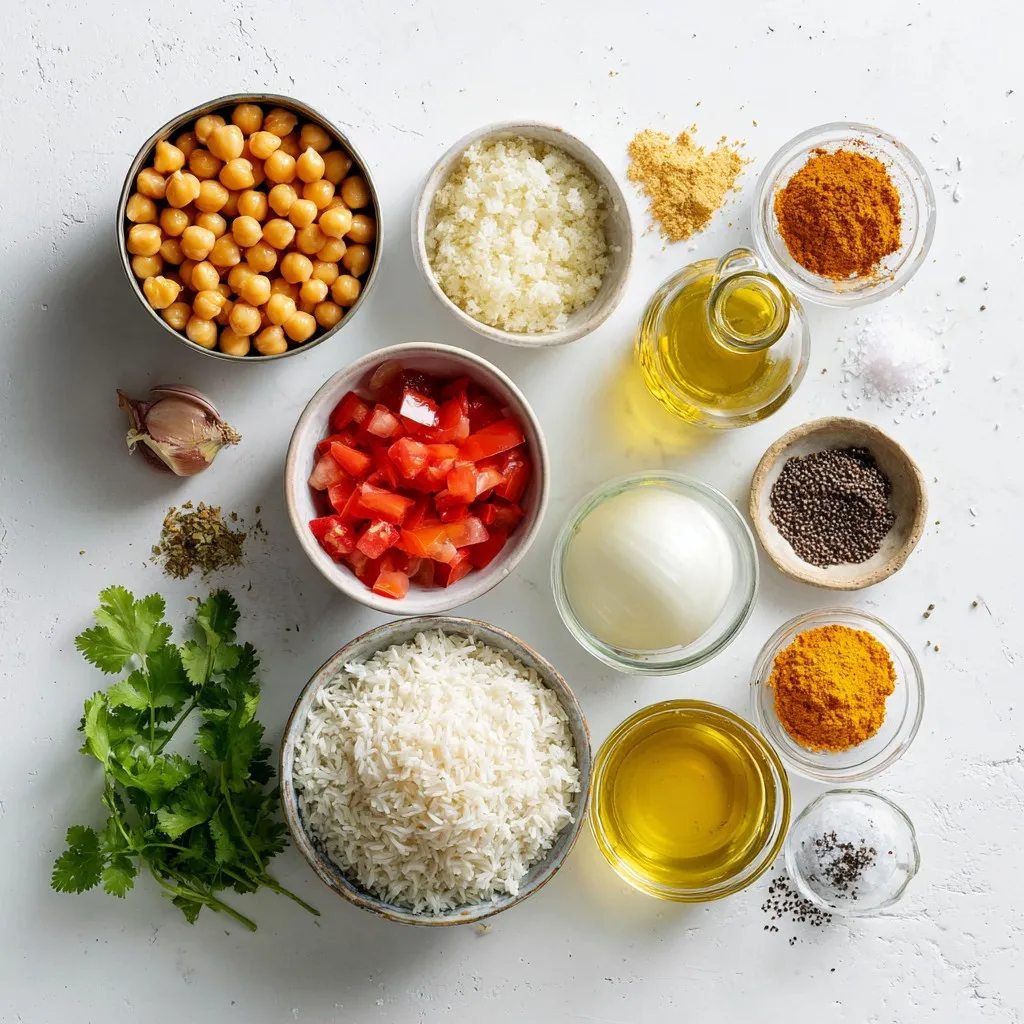
- 1 can (14 oz) chickpeas, drained and rinsed
- 1 can (14 oz) coconut milk
- 1 medium onion, finely chopped
- 2 cloves garlic, minced
- 1 tablespoon fresh ginger, grated
Chickpeas are the star of this dish. They bring protein and fiber. Coconut milk adds creaminess and a rich flavor. The onion, garlic, and ginger create a strong base for the dish. This mix gives the curry a warm and inviting aroma.
Spices and Seasonings
- 1 tablespoon curry powder
- 1 teaspoon ground cumin
- 1 teaspoon turmeric
- 1 teaspoon chili powder (adjust to taste)
Spices are key to a great curry. Curry powder adds the main flavor. Ground cumin gives a warm, earthy taste. Turmeric not only colors the dish but also adds health benefits. Chili powder adds heat, which you can control based on your taste.
Additions and Garnish
- 1 cup diced tomatoes (fresh or canned)
- 1 cup vegetable broth
- Fresh cilantro leaves, for garnish
- Salt and pepper, to taste
Diced tomatoes add acidity, balancing the creamy coconut. Vegetable broth enhances the depth of flavor. Fresh cilantro brings brightness and a fresh finish. Don’t forget to season with salt and pepper to bring out all the flavors!
Step-by-Step Instructions
Preparing the Base
1. Heating olive oil: Start by pouring 2 tablespoons of olive oil into a large pan. Place it over medium heat. Allow the oil to warm for a few moments.
2. Sautéing onions: Once the oil is hot, add 1 medium onion, finely chopped. Sauté the onion for about 5 minutes, stirring often. It should become soft and turn translucent.
Adding Aromatics and Spices
1. Incorporating garlic and ginger: Next, stir in 2 cloves of minced garlic and 1 tablespoon of grated ginger. Cook this mixture for about 1 minute. You want the garlic to be lightly golden and aromatic.
2. Cooking the spice mixture: Now, add 1 tablespoon of curry powder, 1 teaspoon of ground cumin, 1 teaspoon of turmeric, and 1 teaspoon of chili powder. Stir the spices constantly for 1 minute. This helps release their fragrant flavors.
Combining and Simmering
1. Mixing in tomatoes and chickpeas: Add 1 cup of diced tomatoes to the pan. Stir them in and let the mixture cook for 3-4 minutes. The sauce will start to thicken.
2. Simmering for flavor melding: Pour in 1 can of drained chickpeas, 1 can of coconut milk, and 1 cup of vegetable broth. Stir everything well. Bring the curry to a gentle simmer and cook uncovered for about 15-20 minutes. This helps all the flavors blend together nicely.
Tips & Tricks
Enhancing Flavor
To boost the flavor of your curry, adjust spices to your taste. Start with the curry powder. If you like it spicier, add more chili powder. You can also add a squeeze of lime juice. This gives the dish a fresh taste and brightens the flavors.
Perfecting Consistency
If you want a thicker curry, let it simmer longer. The sauce will reduce and become rich. For a creamier texture, add more coconut milk. This will make the curry smooth and luscious.
Serving Suggestions
Serve your creamy coconut chickpea curry with fluffy rice or quinoa. These grains soak up the sauce nicely. For garnishes, fresh cilantro is a must. You can also add lime wedges for an extra zing.
Pro Tips
- Use Fresh Ingredients: Opt for fresh herbs and spices whenever possible to enhance the flavor profile of your curry.
- Adjust Spice Levels: Feel free to modify the amount of chili powder to suit your heat preference; you can always start with less and add more.
- Let It Rest: Allow the curry to rest for a few minutes after cooking to let the flavors settle before serving.
- Experiment with Add-Ins: Consider adding vegetables like spinach, bell peppers, or sweet potatoes for added nutrition and texture.

Variations
Ingredient Swaps
You can easily change the legumes in this recipe. Instead of chickpeas, try black beans or lentils. Each of these options adds a unique flavor while keeping the dish hearty. You can also add fresh vegetables like spinach or bell peppers. Both options brighten the dish and increase its nutrition. Just toss them in during the simmering step for best results.
Dietary Adjustments
This curry is naturally vegan and gluten-free. If you want to keep it low-calorie, you can use light coconut milk. It still tastes creamy without the extra fat. You can also reduce the amount of oil or serve it with cauliflower rice instead of regular rice. These swaps help you enjoy a delicious meal while keeping your diet in check.
Alternative Cooking Methods
You can use an Instant Pot for a quicker meal. Just sauté the onions and spices, then add your other ingredients. Set it to high pressure for about 10 minutes. If you prefer a slow cooker, combine all ingredients and cook on low for 6-8 hours. This method deepens the flavors. For a one-pan option, you can cook everything in a large skillet. Just make sure to cover it while it simmers for even cooking.
Storage Info
Storing Leftovers
- Refrigeration tips: Allow the curry to cool down first. Transfer it to an airtight container. It will stay fresh in the fridge for about 3 to 5 days.
- Freezing instructions: For longer storage, place the curry in a freezer-safe container. It can last up to 3 months in the freezer. Make sure to leave some space for expansion.
Reheating Guidelines
- Best methods for reheating the curry: The microwave works well for quick reheating. Alternatively, heat it on the stove over low heat for even warming.
- How to maintain flavor and texture: Add a splash of water or vegetable broth while reheating. This helps keep the curry creamy and prevents it from drying out.
Shelf Life
- How long the curry lasts in the fridge or freezer: In the fridge, it lasts up to 5 days. In the freezer, it can last up to 3 months.
- Signs of spoilage: Check for an off smell, mold, or changes in color. If you see any signs, it’s best to discard the curry.
FAQs
Can I make this curry in advance?
Yes, you can make this curry ahead of time. It saves time on busy days. Just prepare the curry as directed and let it cool. Store it in an airtight container in the fridge for up to three days. When ready to eat, reheat it on the stove. This curry often tastes even better the next day as the flavors blend.
What can I serve with Creamy Coconut Chickpea Curry?
You have many great options for sides. Here are some ideas:
- Cooked rice (white or brown)
- Quinoa
- Naan bread
- Fresh salad
- Steamed vegetables
Each of these sides pairs well with the rich flavors of the curry.
Is this recipe suitable for kids?
Yes, this recipe can be kid-friendly with some tweaks. Reduce the chili powder for less heat. You can also use mild curry powder. Adding some extra coconut milk can make it creamier and smoother. Serve with rice, which kids often love. This makes the meal more appealing for young eaters.
This blog post covered the main ingredients, instructions, and tips for making Creamy Coconut Chickpea Curry. You learned about essential ingredients like chickpeas and coconut milk, along with spices that add depth to the dish. I shared techniques to enhance flavor and tips for storage, ensuring your meal lasts.
Remember, cooking is about creativity and enjoyment. Feel free to experiment with different ingredients and methods. Enjoy making this curry and sharing it with other
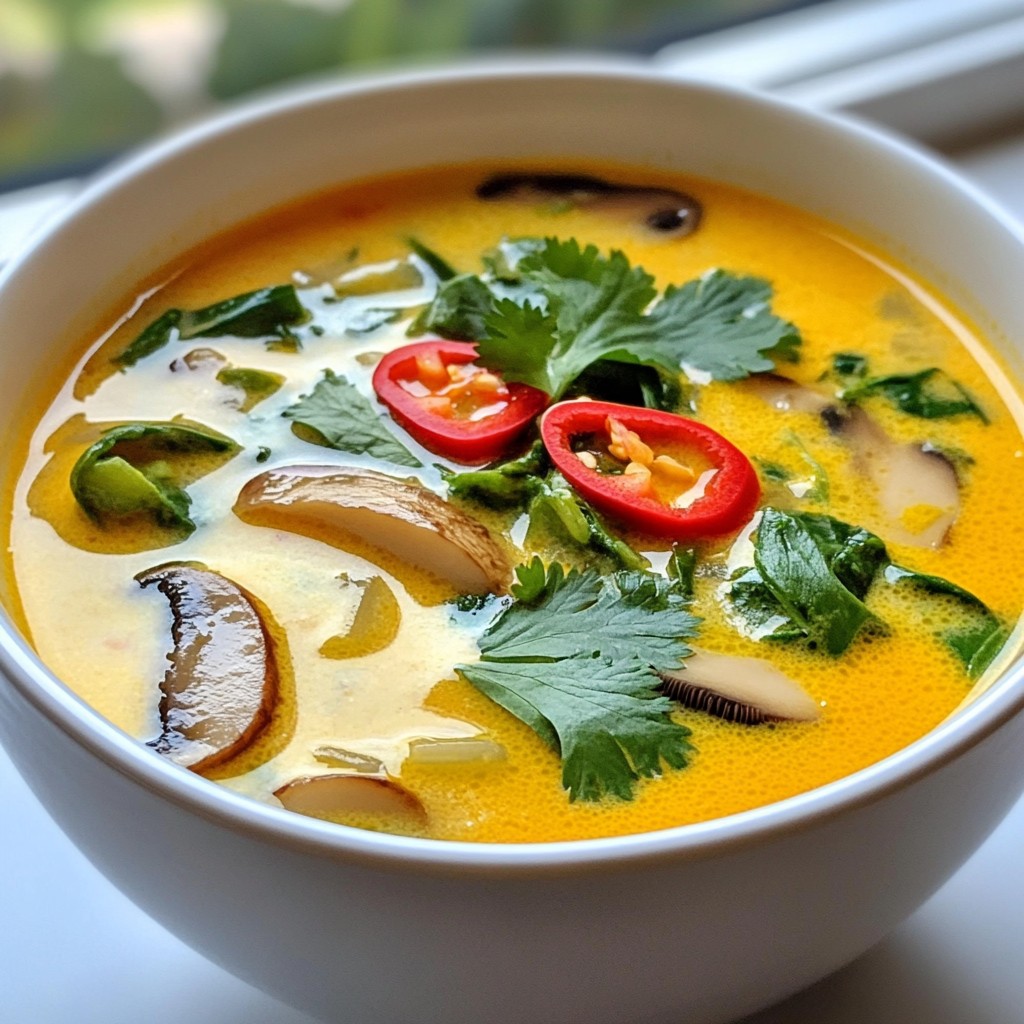

Creamy Coconut Chickpea Curry
Ingredients
- 1 can chickpeas, drained and rinsed (14 oz)
- 1 can coconut milk (14 oz)
- 1 medium onion, finely chopped
- 2 cloves garlic, minced
- 1 tablespoon fresh ginger, grated
- 1 tablespoon curry powder
- 1 teaspoon ground cumin
- 1 teaspoon turmeric
- 1 teaspoon chili powder (adjust to taste)
- 1 cup diced tomatoes (fresh or canned)
- 1 cup vegetable broth
- 2 tablespoons olive oil
- to taste salt and pepper
- for garnish fresh cilantro leaves
- for serving cooked rice or quinoa
Instructions
- In a large pan, pour in the olive oil and warm it over medium heat. Once hot, add the finely chopped onion and sauté it for about 5 minutes, or until it becomes translucent and soft.
- Next, stir in the minced garlic and grated ginger. Cook for an additional minute, stirring occasionally, until the mixture is aromatic and the garlic is lightly golden.
- Add the curry powder, ground cumin, turmeric, and chili powder into the pan. Stir constantly for about 1 minute to awaken the spices and enhance the fragrances.
- Mix in the diced tomatoes, allowing them to cook for another 3-4 minutes. The liquid should begin to thicken slightly, creating a rich sauce.
- Pour in the drained chickpeas, coconut milk, and vegetable broth. Stir everything together until thoroughly combined. Bring the mixture to a gentle simmer, stirring occasionally.
- Lower the heat to a gentle simmer and let the curry cook uncovered for about 15-20 minutes. This allows the flavors to meld beautifully, and the sauce to thicken further.
- Taste your curry and season it with salt and pepper as needed, adjusting spices to match your preference.
- Plate the hot curry over a bed of fluffy cooked rice or quinoa. Garnish generously with fresh cilantro leaves for a vibrant finish.


![To make tasty roasted veggie grain bowls, gather these items: - 1 cup quinoa, thoroughly rinsed - 2 cups vegetable broth - 1 zucchini, diced into bite-sized pieces - 1 red bell pepper, diced - 1 cup cherry tomatoes, halved - 1 cup broccoli florets, cut into small pieces - 2 tablespoons olive oil - 1 teaspoon garlic powder - 1 teaspoon smoked paprika - Salt and freshly cracked black pepper, to taste - 1 avocado, halved and sliced - ¼ cup tahini - 2 tablespoons freshly squeezed lemon juice - Fresh herbs (such as parsley or cilantro) for garnish Fresh ingredients make a big difference. Choose bright, firm veggies for the best flavor. Here are some tips to ensure freshness: - Look for vibrant colors: Fresh veggies should be bright and appealing. - Check for firmness: Avoid soft or wrinkled produce. - Buy local when possible: Seasonal veggies taste better and last longer. You can swap some ingredients based on your taste or what you have. Here are easy swaps: - Quinoa: Use farro, rice, or barley instead. - Veggies: Try carrots, asparagus, or sweet potatoes. - Tahini: Substitute with yogurt or nut butter for a different sauce. - Herbs: Use basil, dill, or chives for fresh flavor. Explore these options to make your roasted veggie grain bowls unique! For the complete recipe, check the Full Recipe. Start by preheating your oven to 425°F (220°C). This heat is perfect for roasting. While the oven warms, prepare the quinoa. In a medium saucepan, bring 2 cups of vegetable broth to a boil. Once boiling, add 1 cup of rinsed quinoa. Lower the heat, cover, and let it simmer for about 15 minutes. The quinoa will soak up the broth and become fluffy. After cooking, let it rest for 5 minutes. Fluff it with a fork before serving. While the quinoa cooks, prepare your veggies. Grab a large baking sheet and add the diced zucchini, red bell pepper, halved cherry tomatoes, and broccoli florets. Drizzle 2 tablespoons of olive oil over these veggies. Then, sprinkle 1 teaspoon of garlic powder, 1 teaspoon of smoked paprika, salt, and freshly cracked black pepper. Mix everything well to coat the veggies. Place the baking sheet in the oven and roast for 20-25 minutes. Halfway through, stir the veggies to ensure even cooking. They are done when tender and slightly caramelized. For the tahini sauce, combine ¼ cup of tahini and 2 tablespoons of freshly squeezed lemon juice in a small bowl. Whisk them together until smooth. Add a pinch of salt for flavor. If the sauce seems too thick, thin it out with a little water. Adjust it until you reach your desired consistency. You can check the [Full Recipe] for more details. When making roasted veggie grain bowls, avoid overcooking your vegetables. They should be tender but not mushy. Also, don't skip the seasoning. A little salt and pepper make a big difference. Lastly, ensure the quinoa is fluffed well after cooking. This helps the grains mix nicely with the veggies. To boost flavor, try marinating the veggies in olive oil and spices before roasting. You can add herbs like thyme or rosemary for a fresh taste. For texture, consider adding nuts or seeds. Toasted sunflower seeds or crunchy almonds add a nice bite. Roasted veggie grain bowls are great for a filling meal. Pair them with a side salad for more greens. You can also add a protein like grilled chicken or chickpeas for extra nutrition. For a wow factor, drizzle more tahini sauce on top or sprinkle with feta cheese. Check out the Full Recipe for more ideas! {{image_4}} You can switch up the grains in your bowl. Try brown rice, farro, or barley. Each grain brings a different taste and texture. Quinoa is great, but experimenting keeps it fun. You can also use millet for a unique twist. These grains offer more fiber and nutrients. Explore different cooking times for each grain to get them just right. Seasonal veggies make your grain bowl fresh and vibrant. In spring, use asparagus and peas. Summer calls for corn and eggplant. Fall brings sweet potatoes and kale. In winter, think about Brussels sprouts and root vegetables. Each season gives you new flavors and colors. Using fresh, local produce can boost taste and nutrition. Toppings can elevate your bowl. Consider adding nuts or seeds for crunch. Roasted chickpeas add protein and flavor. You might also try feta cheese for a salty kick. Fresh herbs like basil or cilantro can brighten the dish. A squeeze of lime or lemon juice adds freshness. For a spicy touch, drizzle hot sauce or sprinkle red pepper flakes. Each addition brings a new layer of flavor to your meal. Check out the Full Recipe for more ideas! To keep your roasted veggie grain bowls fresh, store them in airtight containers. Make sure to let the bowls cool down before sealing them. This helps prevent moisture buildup, which can make your veggies soggy. You can keep them in the fridge for up to four days. When you’re ready to enjoy your leftovers, reheat them gently. Use the microwave for quick heating. Heat in short bursts, stirring in between, to avoid hot spots. You can also warm them in a pan over low heat. Add a splash of water or broth to keep them moist. Meal prepping is a great way to save time. You can make extra quinoa and roast a variety of veggies. Store them separately in the fridge for easy access. This way, you can mix and match different flavors throughout the week. Just assemble the bowls when you're ready to eat. For a detailed recipe, check the Full Recipe for all the steps! Roasted veggie grain bowls are healthy meals filled with grains and vegetables. They combine cooked grains, like quinoa, with roasted veggies. This mix creates a tasty and colorful dish. You get fiber, vitamins, and minerals in every bite. The flavors blend well, making each bowl satisfying and fun to eat. To make roasted veggie grain bowls, follow these steps: 1. Preheat your oven to 425°F (220°C). 2. Cook 1 cup of quinoa in 2 cups of vegetable broth. Let it simmer until fluffy. 3. Prepare your veggies: dice zucchini, red bell pepper, and halve cherry tomatoes. Add broccoli florets. 4. Toss the veggies with olive oil, garlic powder, smoked paprika, salt, and pepper. 5. Roast the veggies for 20-25 minutes until tender and slightly caramelized. 6. Mix tahini with lemon juice, adding water if needed for the right texture. 7. Assemble the bowls with quinoa, roasted veggies, and avocado slices on top. 8. Drizzle with tahini sauce and add fresh herbs for garnish. You can find the full recipe above for more detailed steps. Yes, you can customize this recipe. Use different grains like brown rice or farro. Change the veggies based on what you like or what is in season. You can also add proteins like chickpeas or grilled chicken. Experiment with different sauces or toppings to make the dish your own. This flexibility makes roasted veggie grain bowls perfect for everyone. This blog covered how to make delicious roasted veggie grain bowls. We discussed key ingredients, focusing on freshness and substitutions. I shared step-by-step instructions for prepping, roasting, and creating a tasty tahini sauce. You learned helpful tips to avoid mistakes and enhance flavor. Variations allowed you to experiment with grains and veggies. Lastly, I provided storage tips to keep leftovers fresh. Roasted veggie grain bowls are flexible and fun. You can mix and match to fit your taste. Enjoy experimenting!](https://dishtreats.com/wp-content/uploads/2025/07/945baa8c-ba42-4ceb-8d11-39d9a326283a-768x768.webp)