Spicy Peanut Ramen Flavorful and Easy Weeknight Meal
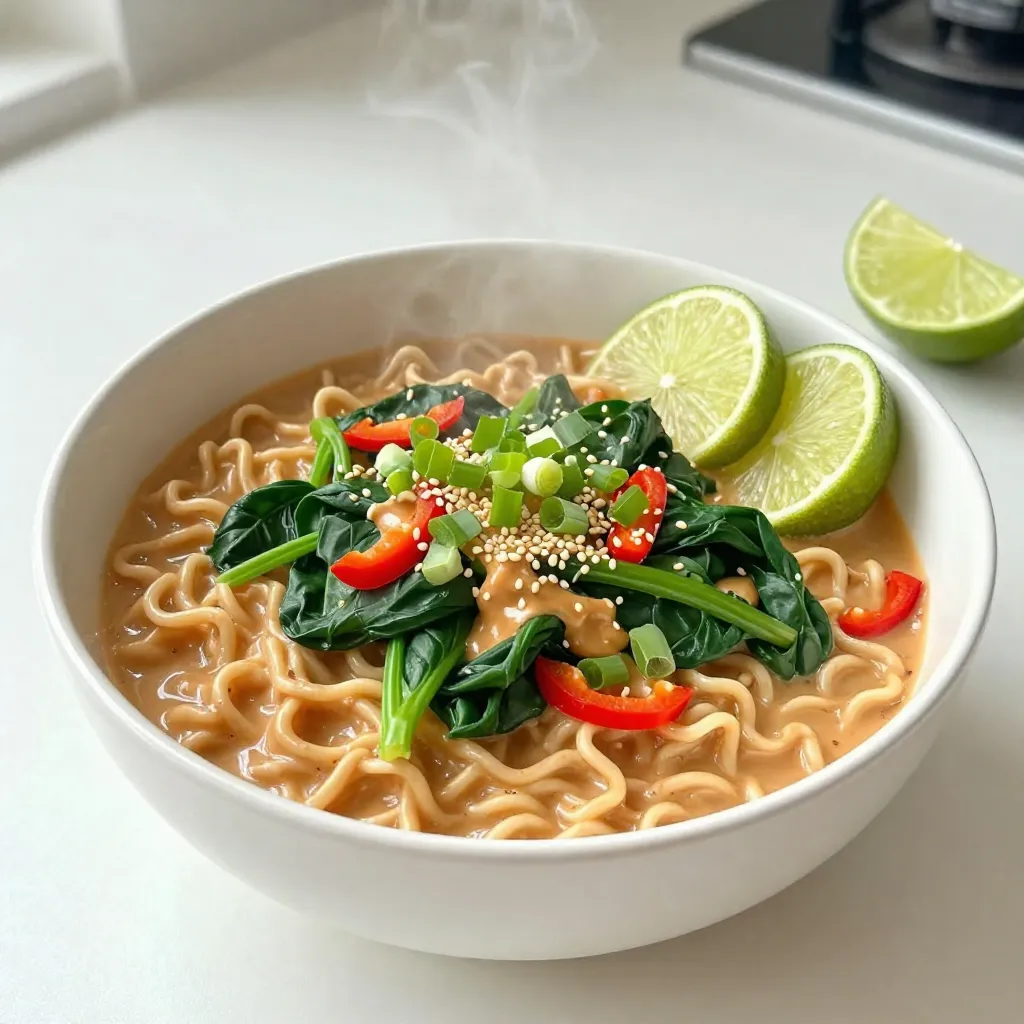
Craving a quick, flavorful meal? Spicy Peanut Ramen is your answer! This dish combines rich peanut flavors with just the right amount of heat. It’s easy to make and perfect for busy weeknights. In this post, I’ll share simple steps to create a tasty bowl of ramen that you can customize to your liking. Let’s dive into the ingredients and get cooking!
Why I Love This Recipe
- Quick and Easy: This recipe comes together in just 20 minutes, making it perfect for busy weeknights.
- Flavor Packed: The combination of creamy peanut butter and sriracha creates a rich and spicy sauce that coats the noodles beautifully.
- Customizable: You can easily adjust the spice level or add your favorite vegetables to make this dish your own.
- Healthy Ingredients: With plenty of veggies and a wholesome broth, this ramen is both satisfying and nutritious.
Ingredients
Complete List of Ingredients
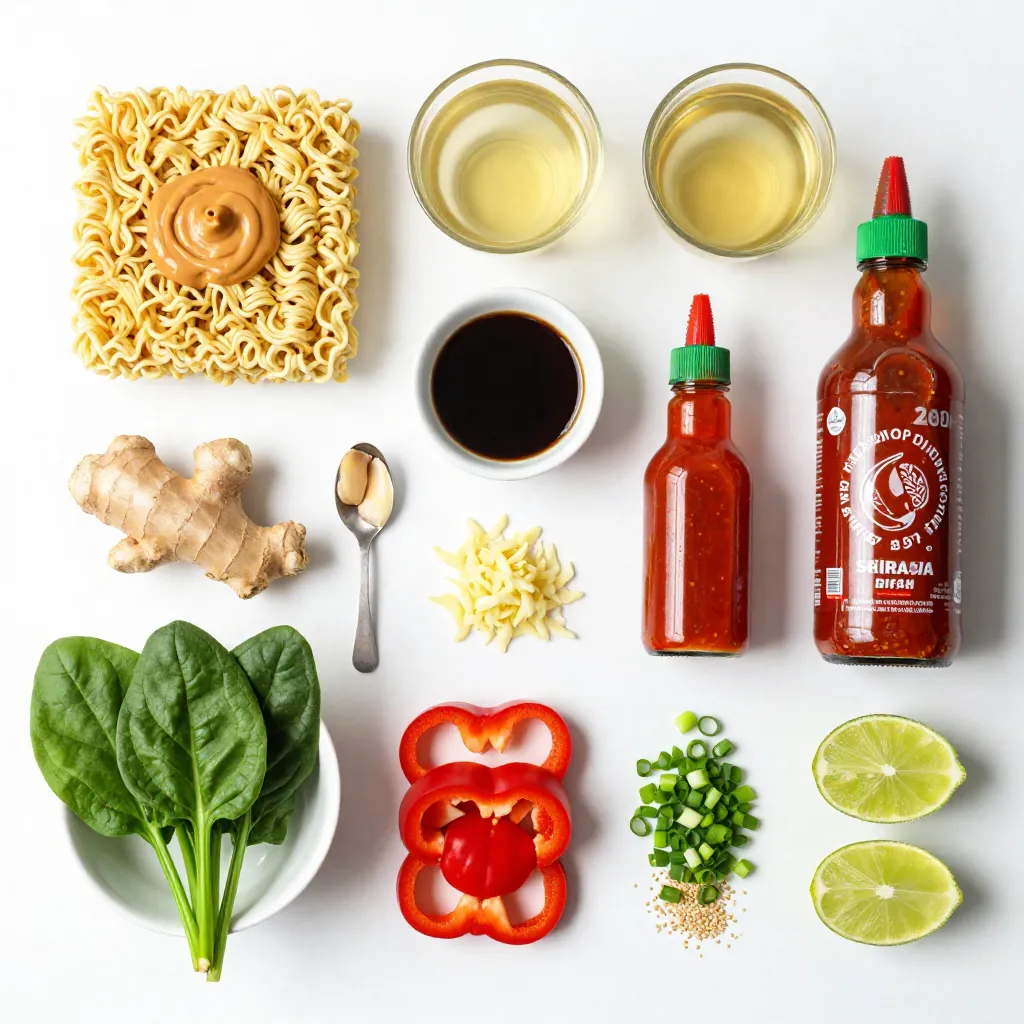
To make Spicy Peanut Ramen, gather these ingredients:
- 200g ramen noodles
- 2 tablespoons creamy peanut butter
- 1 tablespoon toasted sesame oil
- 2 cups vegetable broth (homemade or store-bought)
- 1 tablespoon low-sodium soy sauce
- 1 tablespoon sriracha (adjust to your spice preference)
- 1 teaspoon freshly grated ginger
- 2 cloves garlic, finely minced
- 1 red bell pepper, thinly sliced into strips
- 1 cup baby spinach, rinsed
- 2 green onions, finely chopped
- Toasted sesame seeds for garnish
- Lime wedges for serving
Substitutions for Common Ingredients
You can swap out some items if needed:
- Use any noodles instead of ramen.
- Almond or cashew butter works in place of peanut butter.
- Any cooking oil can replace sesame oil.
- Use chicken or beef broth if you prefer.
- For a gluten-free option, use tamari instead of soy sauce.
- You can also use chili paste instead of sriracha for heat.
Nutritional Information
This dish is not just tasty; it is nutritious too. Each serving offers:
- Calories: Approximately 450
- Protein: 15g
- Carbohydrates: 60g
- Fat: 18g
- Fiber: 6g
- Vitamin A: 70% of your daily needs
- Iron: 15% of your daily needs
Enjoying Spicy Peanut Ramen means you get a meal full of flavor and nutrients.
Step-by-Step Instructions
Cooking the Noodles
First, grab a pot and fill it with water. Bring the water to a boil. Add the ramen noodles. Cook them according to the package directions until they are al dente. This usually takes about 3 to 4 minutes. Once done, drain the noodles in a colander. Place them in a bowl and set aside.
Sautéing the Aromatics
Next, take a medium saucepan and heat 2 tablespoons of toasted sesame oil over medium heat. When the oil is warm, add 2 cloves of minced garlic and 1 teaspoon of freshly grated ginger. Sauté these for about 1 minute. You want to smell that great aroma. Be careful not to burn them, or the flavor will turn bitter.
Preparing the Spicy Peanut Sauce
Now, it’s time to make the spicy peanut sauce. Toss in 1 thinly sliced red bell pepper and cook for another 2 to 3 minutes. The peppers should be tender, but still bright and colorful. Pour in 2 cups of vegetable broth, 1 tablespoon of low-sodium soy sauce, and 1 tablespoon of sriracha. Add 2 tablespoons of creamy peanut butter next. Stir everything until the peanut butter dissolves into a smooth sauce. Let it simmer for about 2 to 3 minutes. This allows all the flavors to mix well.
Combining and Serving
It’s almost time to eat! Gently fold the cooked ramen noodles and 1 cup of rinsed baby spinach into the saucepan. Toss everything together, making sure the noodles are well-coated in the spicy peanut sauce. The spinach should wilt down a bit. Once combined, remove the saucepan from the heat. Serve the ramen hot in bowls. Top each bowl with chopped green onions and a sprinkle of toasted sesame seeds. Don’t forget to add lime wedges on the side for a fresh burst of flavor!
Tips & Tricks
How to Perfect the Texture of Noodles
To get the best noodles, start with a pot of boiling water. Add the ramen noodles and cook until they are al dente. This usually takes about three to four minutes. Don’t overcook them! Drain the noodles and rinse them quickly under cold water. This stops the cooking and keeps them firm. Toss them with a little sesame oil to keep them from sticking.
Adjusting Spice Levels
If you want to change the spice level, add less sriracha for a milder dish. You can also add more if you like it hot! Another tip is to serve lime wedges on the side. A squeeze of lime can balance the heat. You can also add sliced jalapeños for extra kick.
Presentation Tips for Serving
To make your ramen look great, use deep bowls. Place the noodles in the center. Arrange the red bell pepper and spinach on top. Sprinkle chopped green onions and toasted sesame seeds for color. Add lime wedges on the side for a pop of freshness. This makes your meal look as good as it tastes!
Pro Tips
- Use Fresh Ingredients: Fresh vegetables and herbs will enhance the flavors of your ramen and provide a vibrant color contrast.
- Adjust the Spice Level: Feel free to add more or less sriracha according to your heat preference. You can also use chili flakes for a different flavor profile.
- Perfectly Cooked Noodles: Make sure to cook the ramen noodles just until al dente, as they will continue to soften when combined with the sauce.
- Garnish for Flavor: Don’t skip the toasted sesame seeds and lime wedges; they add both texture and a fresh burst of flavor to your dish.
Variations
Vegan and Gluten-Free Alternatives
You can easily make this dish vegan and gluten-free. For the broth, choose a vegetable broth without gluten. You can use tamari instead of soy sauce for a gluten-free option. Instead of peanut butter, try sunflower seed butter for a nut-free version. This keeps the creamy texture and flavor while making it safe for everyone.
Adding Proteins (e.g., chicken, tofu)
Adding proteins makes your ramen heartier. For chicken, use cooked, shredded meat. Just stir it in when you add the noodles. If you prefer tofu, use firm tofu cut into cubes. Sauté the tofu until golden brown before adding it to the sauce. This adds flavor and a nice texture.
Different Vegetable Combinations
Feel free to mix up the veggies! You can use broccoli, snap peas, or carrots for added crunch. Mushrooms add a nice umami flavor. You can also toss in some kale or bok choy for extra nutrients. Just remember to adjust the cooking time so they stay crisp and fresh.
Storage Info
How to Store Leftovers
To store leftovers, let your Spicy Peanut Ramen cool. Place it in a sealed container. Keep the container in the fridge. Your ramen will stay fresh for up to three days. Make sure to separate any toppings, like green onions and lime wedges. This helps keep everything fresh.
Reheating Instructions
When you’re ready to eat, take the ramen out of the fridge. Pour it into a pot. Add a splash of vegetable broth or water to help with moisture. Heat it on medium-low, stirring often. This keeps the noodles from sticking together. You can also use the microwave. Heat it in short bursts, stirring in between, until it’s hot.
Freezing Tips for Meal Prep
To freeze your Spicy Peanut Ramen, first cool it completely. Place it in an airtight container or freezer bag. It can last up to three months in the freezer. To reheat, let it thaw overnight in the fridge. Then, follow the reheating instructions above. Enjoy your meal prep!
FAQs
What can I substitute for peanut butter?
If you need a substitute for peanut butter, try almond butter or sunflower seed butter. Both options work well in this recipe. They give a similar creamy texture and taste. You can also use tahini, which is made from sesame seeds. It adds a nutty flavor, too.
Can I make this dish in advance?
Yes, you can make this dish in advance. Cook the ramen and store it separately from the sauce and veggies. This keeps the noodles from getting mushy. Store each part in airtight containers in the fridge. When you’re ready to eat, heat the sauce and mix it with the noodles and veggies.
Is Spicy Peanut Ramen spicy?
The spice level of Spicy Peanut Ramen can be adjusted. The sriracha adds heat, but you can use more or less depending on your taste. If you prefer mild flavors, use a small amount of sriracha or leave it out. You can always add hot sauce to your bowl later if you want more spice.
This blog post covers all you need to make Spicy Peanut Ramen. We looked at key ingredients and how to swap them out. I shared clear steps to cook the dish and gave tips for perfecting noodles and spice levels. You learned about tasty variations, how to store leftovers, and answered common questions.
Now, you can enjoy this fun recipe that fits your taste. With these details, I hope you feel ready to create your own delicious bowl. Enjoy every bit
Spicy Peanut Ramen
Ingredients
- 200 g ramen noodles
- 2 tablespoons creamy peanut butter
- 1 tablespoon toasted sesame oil
- 2 cups vegetable broth
- 1 tablespoon low-sodium soy sauce
- 1 tablespoon sriracha
- 1 teaspoon freshly grated ginger
- 2 cloves garlic
- 1 red bell pepper thinly sliced
- 1 cup baby spinach
- 2 green onions finely chopped
- 1 tablespoon toasted sesame seeds
- 1 lime wedges for serving
Instructions
- Bring a pot of water to a boil and cook the ramen noodles according to the package instructions until they are al dente. Drain the noodles and set them aside in a bowl.
- In a medium saucepan, heat the toasted sesame oil over medium heat. Once the oil is warm, add the minced garlic and grated ginger. Sauté for about 1 minute until they release a fragrant aroma, being careful not to burn them.
- Toss in the sliced red bell pepper and sauté for an additional 2-3 minutes until the peppers are slightly tender but still vibrant in color.
- Pour in the vegetable broth, soy sauce, and sriracha. Add the creamy peanut butter and stir well until the peanut butter is fully dissolved, creating a smooth and cohesive sauce. Let it simmer for 2-3 minutes to allow the flavors to meld together.
- Gently fold the cooked ramen noodles and baby spinach into the saucepan, tossing them in the spicy peanut sauce until the noodles are thoroughly coated and the spinach has wilted.
- Remove the saucepan from heat and serve the ramen hot in bowls. Garnish each bowl with chopped green onions and a sprinkle of toasted sesame seeds. Provide lime wedges on the side for an extra hit of freshness!
. - Preheat the oven to 425°F (220°C). - Slice the red bell peppers in half. Remove the seeds and membranes. Place them skin-side up on a lined baking sheet. - Roast the peppers for about 25 minutes until the skin is blistered. - Let the peppers cool. Once cool, peel off the skin and chop them into bite-sized pieces. - Rinse 1 cup of quinoa thoroughly under cold water. - In a saucepan, combine the rinsed quinoa with 2 cups of water. Bring it to a boil. - Reduce the heat to low, cover, and simmer for about 15 minutes until the water is absorbed. - Fluff the quinoa with a fork and let it cool. - In a large mixing bowl, combine the cooled quinoa with the roasted peppers, halved cherry tomatoes, finely diced red onion, and diced cucumber. - Mix gently to ensure even distribution of all ingredients. - In a small bowl, whisk together 3 tablespoons of olive oil, 2 tablespoons of balsamic vinegar, and 1 teaspoon of garlic powder. - Add a pinch of salt and freshly ground black pepper, to taste. - Drizzle the dressing over the salad mixture and toss gently to coat. - If you want, sprinkle 1/4 cup of crumbled feta cheese on top and mix lightly. - Finally, garnish with freshly chopped parsley for a colorful finish. For more details, refer to the Full Recipe. To get that perfect blistered skin on your red peppers, follow these steps: - Choose fresh peppers: Look for firm, shiny skin. - Cut them right: Slice each pepper in half lengthwise. This helps them roast evenly. - High heat is key: Roast at 425°F (220°C) for about 25 minutes. - Watch for bubbles: The skin should bubble and char slightly. This adds great flavor. For seasoning your peppers, try these ideas: - Simple salt and pepper: This lets the natural sweetness shine. - Add garlic powder: This gives a rich taste. - Sprinkle paprika: This adds a nice smoky flavor. To ensure your quinoa is fluffy and not mushy, use this method: - Rinse well: Rinse quinoa under cold water to remove bitterness. - Water ratio matters: Use 2 cups of water for every 1 cup of quinoa. - Don’t skip the simmer: Bring to a boil, then lower the heat and cover. Let it simmer for 15 minutes. You can also hydrate quinoa with broth instead of water. This adds extra flavor to your dish. To make your Roasted Red Pepper Quinoa Salad even tastier, consider these tips: - Add fresh herbs: Basil or cilantro can brighten the dish. - Spice it up: A pinch of red pepper flakes adds heat. - Mix textures: Add nuts for crunch or avocado for creaminess. These simple changes can elevate your salad and keep it exciting. For the full recipe, refer to the earlier section. {{image_4}} For a vegan twist, you can skip the feta cheese. Instead, use avocado or vegan cheese. These options add creaminess without dairy. You can also mix in other vegetables. Try adding spinach, roasted zucchini, or artichokes. They boost flavor and nutrition. Want to make your salad heartier? Add chickpeas or grilled chicken. Chickpeas add fiber and protein. They make the salad more filling. If you prefer meat, grilled chicken works great. You can also try other legumes like black beans or lentils. They offer different flavors and textures. You can change the salad with the seasons. In summer, use fresh corn, tomatoes, or cucumber. These veggies are sweet and crunchy. You might also swap roasted red peppers for grilled asparagus or eggplant. These changes keep the salad exciting and fresh all year. For the full recipe, check out the details above. To keep your roasted red pepper quinoa salad fresh, store it in the fridge. Use an airtight container to avoid moisture loss. Place a piece of parchment paper between the salad and the lid. This helps keep it crisp. This salad lasts about 3 to 5 days in the refrigerator. Look for signs of spoilage like an off smell or slimy texture. If the salad looks or smells bad, it’s best to toss it. You can freeze quinoa, but it's best not to freeze the whole salad. Freezing can change the texture of the veggies. To freeze quinoa, cook it and let it cool. Then, place it in a freezer-safe bag. Remove as much air as possible. This way, you can use it later for quick meals. Yes, you can make this salad ahead. Prepare it in advance for busy days. I suggest making it up to two days before serving. Store it in an airtight container in the fridge. The flavors will meld nicely. Just keep the dressing separate until you’re ready to eat. This keeps the salad fresh and crisp. If you want a change, try using brown rice, farro, or couscous. Each option gives a different taste and texture. You can even use lentils for a protein boost. Just make sure to cook them according to package directions. This keeps your salad hearty and filling. This salad has a mild flavor. The roasted peppers add sweetness, not heat. If you like spice, you can add jalapeños or red pepper flakes. For a milder taste, skip the spicy additions. You can also add more cucumber or feta to balance the heat. This salad works great as a side or main dish. Pair it with grilled chicken or fish for protein. It also complements roasted veggies or a light soup. For a vegetarian option, add chickpeas or serve with hummus. You can enjoy it as part of a larger meal or on its own. Check out the Full Recipe for more ideas! This Roasted Red Pepper Quinoa Salad is easy and tasty. We covered key ingredients, cooking steps, and helpful tips. You can customize it to fit your diet and likes. Always store leftovers properly to enjoy later. Remember, fresh flavors and textures make this salad shine. With these ideas, you can impress your friends or family at any meal. Enjoy making and sharing this healthy dish!](https://dishtreats.com/wp-content/uploads/2025/06/1f28db07-8093-4cb7-8796-796da85cb13a-768x768.webp)
![To make Classic Chicken Marsala, you will need: - 4 boneless, skinless chicken breasts - Sea salt and freshly cracked black pepper, to taste - 1/2 cup all-purpose flour, for dredging - 4 tablespoons extra virgin olive oil - 2 tablespoons unsalted butter - 8 ounces cremini mushrooms, thinly sliced - 1 cup low-sodium chicken broth - 2 tablespoons freshly squeezed lemon juice - 1/4 cup fresh parsley, finely chopped, for garnish Using fresh ingredients makes all the difference in your dish. Fresh chicken tastes better and has better texture. Fresh mushrooms add depth and flavor. Fresh herbs, like parsley, bring vibrant notes to your plate. Fresh ingredients enhance the overall taste and make your meal more enjoyable. They can transform a simple dish into something special. If you can't find certain items, don't worry! Here are some easy swaps: - Chicken breasts: You can use chicken thighs for a richer flavor. - Cremini mushrooms: Use button mushrooms if cremini are not available. - Olive oil: Use canola or vegetable oil if you're out of olive oil. - Chicken broth: Vegetable broth works well for a lighter taste. - Lemon juice: You can use vinegar as a tangy alternative if you lack lemons. These substitutes will keep your Chicken Marsala flavorful and delicious, even with changes. 1. First, season the chicken breasts with salt and pepper. 2. Dredge each breast in flour. Shake off any extra flour. 3. Heat 2 tablespoons of olive oil in a skillet over medium heat. 4. Place the chicken in the skillet. Cook for 5-6 minutes on each side. 5. Remove the chicken from the skillet and keep it warm on a plate. 6. Add the remaining olive oil and butter to the same skillet. 7. Once the butter melts, add the sliced mushrooms. Sauté for 5 minutes. 8. Pour in the chicken broth and lemon juice. Scrape the skillet's bottom. 9. Simmer the sauce for 5 minutes until it thickens. 10. Return the chicken to the skillet. Spoon sauce over the top. 11. Simmer everything together for 2-3 minutes. 12. Finish with parsley before serving. To get the best Chicken Marsala, focus on these techniques: - Dredging: Flour helps create a crust. It locks in moisture and adds flavor. - Searing: Cooking the chicken on medium heat gives a golden crust. - Deglazing: Scraping the skillet adds depth to the sauce. - Simmering: Letting the sauce thicken enhances the flavor. Here are some tips to avoid issues while cooking: - Skipping seasoning: Always season the chicken well. It makes a big difference. - Overcrowding the skillet: Cook in batches if needed. This keeps the heat high. - Not checking doneness: Use a meat thermometer. Chicken should reach 165°F. - Rushing the sauce: Let it simmer. This builds the best flavor. For the complete cooking process, check the Full Recipe. Serve Chicken Marsala on a large plate. Spoon the rich mushroom sauce over the chicken. Pair it with creamy mashed potatoes or steamed vegetables. These sides add color and balance to the dish. I love adding a bright green salad too. It makes the meal complete and fresh. To boost flavor, season the chicken well with sea salt and pepper. Dredging it in flour gives it a nice crust. Be sure to use fresh mushrooms for the best taste. Cremini mushrooms add a deep, earthy flavor. Deglazing the skillet with chicken broth is key. It helps pick up all the tasty bits left behind. A splash of lemon juice brightens the dish. It cuts through the richness and makes every bite pop. When it comes to drinks, I suggest a dry white wine. A good Sauvignon Blanc or Chardonnay works well. These wines complement the chicken and sauce without overpowering them. If you prefer something non-alcoholic, try sparkling water with lemon. It refreshes your palate between bites. Enjoy your meal with a suitable drink for a perfect dining experience. Check out the Full Recipe for more details. {{image_4}} You can add herbs and spices to give Chicken Marsala a fun twist. Try adding fresh thyme or rosemary for a fragrant touch. Paprika can add a bit of heat and color. You can also use garlic powder or onion powder to deepen the flavor. Mix these into the flour before dredging the chicken. This small change can make a big difference in taste. If you want a vegetarian or vegan version, replace the chicken with hearty mushrooms or eggplant. Both options soak up the sauce well. Use vegetable broth instead of chicken broth for a rich flavor. You may also try tofu for a protein boost. Dredge the tofu in flour like the chicken for a satisfying crunch. You can play with the sauce to change the flavor profile. For a creamier version, add heavy cream to the broth. This will give you a rich, luscious sauce that coats the chicken well. You can also use Marsala wine for a sweeter touch. If you want a tangy flavor, use balsamic vinegar instead of lemon juice. Each of these swaps can help you create a unique dish. For the full recipe, check the [Full Recipe]. To store your Classic Chicken Marsala, let it cool first. Place the chicken and sauce in an airtight container. Make sure to separate the sauce from the chicken if you can. This helps keep the chicken moist. Place the container in the fridge. It’s best to use the leftovers within three days for the best taste. When reheating Classic Chicken Marsala, use a skillet for the best results. Warm it over medium heat. Add a splash of chicken broth or water to keep it moist. Stir gently until heated through. You can also microwave it, but be careful not to overheat. This can dry out the chicken. Classic Chicken Marsala lasts about three days in the fridge. If you want to keep it longer, freeze it. In the freezer, it will last up to three months. Just remember to store it in a freezer-safe container. To enjoy it later, thaw it in the fridge overnight before reheating. For more details on making this dish, check out the Full Recipe. Chicken Marsala is made of simple, tasty ingredients. You need chicken breasts, mushrooms, and Marsala wine. The sauce gets its flavor from chicken broth and lemon juice. You also use flour to coat the chicken. Olive oil and butter add richness. Fresh parsley gives a nice touch at the end. Yes, you can prepare Chicken Marsala ahead of time. Cook the chicken and store it in the fridge. Keep the sauce separate to avoid sogginess. When you are ready to serve, just reheat both. This keeps the chicken juicy and the sauce fresh. The best wine for Chicken Marsala is a dry Marsala wine. This wine adds depth and sweetness to the dish. If you can't find Marsala, you can use dry sherry or white wine. These alternatives work well but may change the flavor slightly. Always choose a wine you enjoy drinking! In this article, we covered the crucial ingredients for Chicken Marsala and why freshness matters. I shared step-by-step instructions to help you cook it perfectly. We explored tips for serving and pairing drinks, as well as variations for every taste. Finally, I explained how to store leftovers safely. Cooking Chicken Marsala can be easy and fun. With the right tips and knowledge, you can enjoy a delicious meal every time.](https://dishtreats.com/wp-content/uploads/2025/06/e9aedbd7-71f4-4133-b36d-4fb1a0e8152d-768x768.webp)