Skip to content
  • About
  • Contact
  • Cookie Policy
  • Copyright Policy
  • Disclaimer
dishtreats
  • Home
  • Dinner
  • Appetizer
  • Desserts
  • Drinks
  • About
  • Contact
  • Privacy Policy
dishtreats
Home / Dinner - Page 47

Dinner

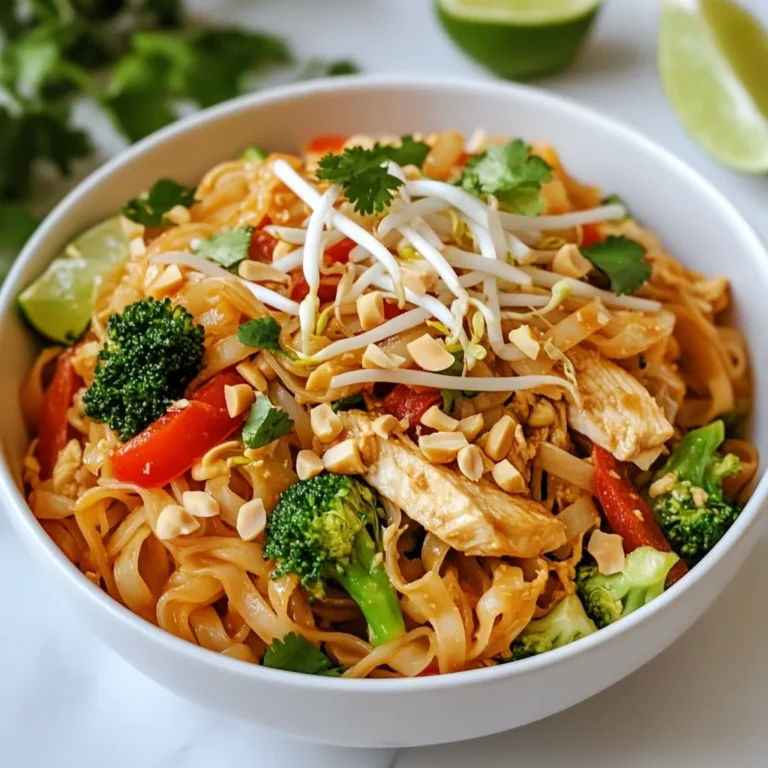
To make a tasty and healthy Chicken Pad Thai, you'll need the following ingredients: - 8 oz rice noodles - 2 chicken breasts, thinly sliced - 2 tablespoons olive oil - 3 cloves garlic, minced - 2 eggs, lightly beaten - 1 cup bean sprouts - 1 red bell pepper, thinly sliced - 1 cup broccoli florets - 3 green onions, chopped - ½ cup peanuts, chopped (optional) - 3 tablespoons low-sodium soy sauce - 1 tablespoon fish sauce (optional) - 1 tablespoon lime juice - 1 teaspoon brown sugar or honey - Fresh cilantro for garnish - Lime wedges for serving Each of these ingredients plays a key role in making this dish flavorful and nutritious. Rice noodles serve as the base, providing a soft texture. Chicken adds protein, while the veggies bring crunch and color. Olive oil helps cook everything evenly. Garlic gives a nice aroma and taste. Eggs add richness, and bean sprouts give a fresh bite. The red bell pepper and broccoli add vitamins and minerals. Green onions and cilantro enhance the flavor. Finally, lime juice and soy sauce provide a zesty finish. Feel free to customize this list to suit your taste! {{ingredient_image_2}} - Start by boiling a large pot of water. - Add 8 oz of rice noodles to the boiling water. - Cook the noodles according to the package instructions, usually around 5-7 minutes. - Once cooked, drain the noodles and rinse them under cold water. - Set the noodles aside to cool and prevent sticking. - Heat 1 tablespoon of olive oil in a large skillet over medium-high heat. - Add 2 thinly sliced chicken breasts to the skillet. - Sauté the chicken for about 5-7 minutes until golden brown. - Make sure the chicken is fully cooked, then remove it from the skillet. - In the same skillet, add 1 tablespoon of olive oil. - Add 3 minced garlic cloves and sauté for about 30 seconds. - Watch closely so the garlic does not burn. - Next, add 1 cup of broccoli florets and 1 sliced red bell pepper. - Stir-fry the veggies for 3-4 minutes until they soften a bit. - Push the sautéed vegetables to one side of the skillet. - Pour in 2 lightly beaten eggs on the other side. - Let the eggs cook without stirring for about 30 seconds. - Once they begin to set, scramble them until fully cooked. - Mix the eggs back in with the sautéed veggies. - Add the cooked chicken back into the skillet. - Gently stir in the rice noodles, 1 cup of bean sprouts, and 3 chopped green onions. - Pour in 3 tablespoons of low-sodium soy sauce, 1 tablespoon of lime juice, and 1 teaspoon of brown sugar. - If using, add 1 tablespoon of fish sauce. - Toss everything together gently for about 2-3 minutes until heated through. - Remove the skillet from the heat when done. - Serve the Pad Thai in large bowls. - Garnish with fresh cilantro and lime wedges on the side. - For added crunch, sprinkle chopped peanuts on top. - To make this dish lighter, cut down on oil and sugar. Use just one tablespoon of olive oil for cooking. Replace brown sugar with honey or skip it altogether. - You can swap out rice noodles for zucchini noodles or whole wheat noodles. This makes the dish lower in carbs and higher in fiber. - For a quick flavor boost, add a pinch of red pepper flakes or a splash of lime juice. A sprinkle of sesame seeds can also add a nice crunch. - Fresh herbs make a big difference! Use chopped cilantro or basil to brighten up the dish. They add freshness and aroma that enhances the overall taste. - A non-stick skillet or a well-seasoned wok works best for this recipe. They help prevent sticking and make cooking easier. - Keep a spatula and tongs handy. These tools help you stir and toss the ingredients efficiently. Using the right utensils will improve your cooking experience. Pro Tips Prep Your Ingredients: Having all your ingredients prepped and ready to go can make the cooking process smoother and more enjoyable. Don't Overcook the Noodles: Rice noodles can become mushy if overcooked. Follow package instructions closely and rinse them under cold water to stop the cooking process. Use Fresh Lime Juice: Freshly squeezed lime juice adds a vibrant flavor that bottled juice can't replicate. Squeeze it right before serving for the best taste. Customize Your Veggies: Feel free to swap in your favorite vegetables or whatever you have on hand, such as carrots or snap peas, for added nutrition and flavor. {{image_4}} You can easily make a vegetarian version of Healthy Chicken Pad Thai. Simply swap out the chicken for tofu or tempeh. Both options offer great protein. You can also try chickpeas for a different texture. Using these proteins adds a nice twist to the dish while keeping it nutritious. If you need a gluten-free option, switch the rice noodles for zucchini noodles or quinoa. Both alternatives still give you that Pad Thai feel. For the sauce, use tamari instead of soy sauce. This keeps the flavor but avoids gluten. Want to add some heat? Sprinkle in red pepper flakes or a dash of sriracha. Start with a small amount and adjust to your taste. If you're cooking for kids, go easy on the spices. You can leave out the heat or use mild sauces for a family-friendly meal. Store your Healthy Chicken Pad Thai in airtight containers. Glass or BPA-free plastic works well. Let the dish cool completely before sealing. This helps keep it fresh. Place it in the fridge for up to three days. For best taste, eat it within two days. To avoid sogginess, reheat gently. You can use a skillet on low heat. Add a splash of water to help steam the noodles. Stir often to heat evenly. If using a microwave, cover the dish with a damp paper towel. This keeps moisture in, preventing dryness. Heat in short bursts, stirring in between. You can freeze Healthy Chicken Pad Thai, but the texture may change. Place it in freezer-safe bags or containers. Remove as much air as possible. It can stay fresh for up to three months. To thaw, move it to the fridge overnight. For a quicker method, use the microwave on low power. Always ensure it’s heated through before eating. To make Healthy Chicken Pad Thai, follow these steps: 1. Cook the Rice Noodles: Boil water in a large pot. Cook the rice noodles as per package instructions. After cooking, drain and rinse under cold water. Set aside. 2. Prepare the Chicken: In a skillet, heat 1 tablespoon of olive oil. Add sliced chicken and sauté until golden brown, about 5-7 minutes. Remove and set aside. 3. Sauté Aromatics: Add another tablespoon of olive oil to the same skillet. Sauté minced garlic for about 30 seconds until fragrant. 4. Add Veggies: Stir in sliced red bell pepper and broccoli florets. Cook for 3-4 minutes until they soften. 5. Scramble the Eggs: Move veggies to one side. Pour in beaten eggs and let them set for 30 seconds before scrambling and mixing with the veggies. 6. Combine and Season: Add chicken back to the skillet. Stir in rice noodles, bean sprouts, green onions, soy sauce, lime juice, and brown sugar. Toss for 2-3 minutes until heated. 7. Garnish and Serve: Remove from heat. Serve with chopped peanuts, fresh cilantro, and lime wedges. Healthy Chicken Pad Thai offers several nutritional benefits: - Calories: Approximately 450 calories per serving. - Protein: Chicken provides lean protein, essential for muscle health. - Vitamins: Bell peppers and broccoli add vitamins A and C, boosting your immune system. - Fiber: Bean sprouts and vegetables provide fiber, aiding digestion. - Healthy Fats: Olive oil and peanuts contain healthy fats that support heart health. Yes, you can meal prep Healthy Chicken Pad Thai! Here are some tips: - Cook in Bulk: Prepare a large batch and divide it into containers. - Store Properly: Use airtight containers to keep it fresh in the fridge for up to 4 days. - Reheat Safely: When ready to eat, reheat in the microwave or on the stovetop until hot. If you need soy sauce alternatives, consider these options: - Coconut Aminos: A soy-free option that is sweeter and less salty. - Tamari: A gluten-free soy sauce, great for those with gluten sensitivities. - Liquid Aminos: A soy sauce alternative made from soy protein, lower in sodium. Yes, this recipe can be kid-friendly with a few adjustments: - Reduce Spice: Skip any hot sauces or spicy ingredients. - Modify Veggies: Use vegetables kids like, such as carrots or peas. - Serve Plain: If your kids are picky, serve the noodles with just chicken and a splash of lime. This blog post guides you to make Healthy Chicken Pad Thai with fresh ingredients and simple steps. You learned about the key ingredients, cooking techniques, and how to store your meal. Remember to try variations to fit your taste or dietary needs. Cooking can be fun and healthy. Enjoy your dish while knowing you made a great choice for your body. The joy of cooking and sharing this meal will make it all worthwhile.

Healthy Chicken Pad Thai Flavorful and Nutritious Meal

Read More Healthy Chicken Pad Thai Flavorful and Nutritious MealContinue

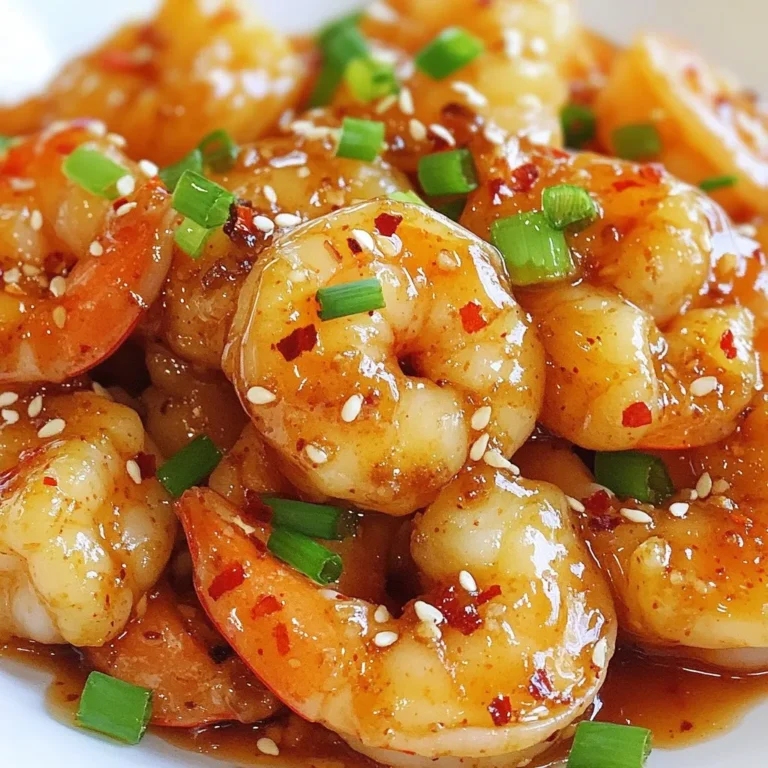
- 1 pound large shrimp, peeled and deveined - 3 tablespoons honey - 2 tablespoons soy sauce - 3 cloves garlic, finely minced - 1 teaspoon red pepper flakes - 1 tablespoon fresh ginger, finely grated - 1 tablespoon olive oil - 1 tablespoon sesame oil - 2 green onions, finely chopped (for garnish) - Sesame seeds (for garnish) - Salt and freshly cracked pepper to taste This recipe calls for simple and fresh ingredients. The shrimp should be large and peeled. Honey adds sweetness, while soy sauce gives depth. Minced garlic and ginger bring flavor and aroma. Red pepper flakes add heat, so adjust to your taste. Olive and sesame oils create a rich base for cooking. Green onions and sesame seeds are perfect for garnish. Don’t forget salt and pepper for seasoning! Using fresh ingredients makes a big difference. They help each bite burst with flavor. You can find these items at your local store. If you prefer, you can also order some online. {{ingredient_image_2}} To make the sauce, grab a small mixing bowl. Add 3 tablespoons of honey. Then, pour in 2 tablespoons of soy sauce. Next, add 3 cloves of finely minced garlic. Sprinkle in 1 teaspoon of red pepper flakes for heat. Finally, add 1 tablespoon of finely grated ginger. Whisk all these ingredients until they mix well. This sauce packs flavor and sweetness. First, take 1 pound of large shrimp that are peeled and deveined. Pat them dry with paper towels. This helps them sear nicely. Lightly season the shrimp with salt and freshly cracked pepper on both sides. Heat a large skillet over medium-high heat. Add 1 tablespoon of olive oil and 1 tablespoon of sesame oil. Let the oils heat until they shimmer. Then, add the shrimp in a single layer. Cook them without stirring for about 2-3 minutes. You want them to turn pink and curl at the edges. Carefully flip each shrimp over. Pour the prepared spicy honey garlic sauce over the shrimp. Cook for an additional 2-3 minutes, stirring often. The shrimp should be fully cooked and coated in sauce. After cooking, remove the skillet from heat. Let the shrimp rest in the sauce for a minute. This allows them to soak up all the flavors. Just before serving, garnish the shrimp with finely chopped green onions and a sprinkle of sesame seeds. These add extra texture and flavor. Enjoy the dish over fluffy jasmine rice or with steamed veggies. To get a great sear on shrimp, start by drying them well. Use paper towels to pat the shrimp. The dryer they are, the better they will cook. After drying, season them lightly with salt and pepper. This helps bring out their natural flavor and adds a nice crust. If you like spice, add more red pepper flakes. For a milder taste, reduce or skip the flakes. You can also add sweet elements like more honey to balance heat. This way, you can create a dish that fits your taste. You can make the sauce in advance. Mix honey, soy sauce, garlic, red pepper flakes, and ginger in a bowl. Store it in a sealed container in the fridge. This makes cooking quick and easy on a busy night. Just remember to give it a stir before using it! Pro Tips Pat the Shrimp Dry: Make sure to dry the shrimp thoroughly with paper towels before cooking. This helps achieve a better sear and prevents steaming. Adjust Spice Level: Feel free to adjust the amount of red pepper flakes based on your spice preference. Start with less and add more if you like it spicier! Let it Rest: Allow the cooked shrimp to sit in the sauce for a minute before serving. This resting time enhances the flavor absorption. Garnishing: A sprinkle of sesame seeds and chopped green onions not only adds flavor but also provides a beautiful presentation to your dish! {{image_4}} You can add vegetables to make your dish more colorful and healthy. Great options include: - Bell peppers - Broccoli - Snap peas - Carrots - Zucchini Cut the vegetables into bite-sized pieces. Stir-fry them in the pan before adding the shrimp. This way, they stay crisp and fresh. If you don't have shrimp, you can use other proteins. Chicken and tofu work well in this recipe. - For chicken, use boneless, skinless breasts. Cut them into small pieces. Cook them until they're golden brown and fully cooked. - For tofu, use firm or extra-firm tofu. Press it to remove extra water, then cut it into cubes. Pan-fry until golden before adding the sauce. Making this dish gluten-free is easy. Just swap regular soy sauce for tamari or coconut aminos. Both options add great flavor without gluten. Always check labels to ensure they are gluten-free. Store leftovers in an airtight container. This keeps them fresh and safe. Place the shrimp in the fridge within two hours of cooking. Try to eat them within three days for the best taste. To freeze spicy honey garlic shrimp, place them in a freezer-safe bag. Remove as much air as possible before sealing. Label the bag with the date. You can freeze them for up to three months. For best flavor, use them sooner rather than later. Reheat shrimp in a skillet over medium heat. Add a splash of water or oil to keep them moist. Stir gently until hot. Avoid using a microwave, as it can make the shrimp rubbery. Enjoy your meal again with great flavor! You should cook shrimp for about 4 to 6 minutes. Start with 2 to 3 minutes on one side. When they turn pink and curl, flip them over. Cook for another 2 to 3 minutes after adding the sauce. They are done when they look opaque. Yes, you can use frozen shrimp. Just make sure to thaw them first. The best way is to place them in the fridge overnight. If you're short on time, run them under cold water for about 10-15 minutes. Pat them dry before cooking to get a nice sear. You can serve this dish with jasmine rice. It soaks up the sauce well. Another great option is steamed vegetables like broccoli or snap peas. You can also try it in a fresh salad for a lighter option. Enjoy the flavors together! This blog post shared an easy recipe for spicy honey garlic shrimp. We covered ingredients, step-by-step cooking, tips, and variations. Remember, you can tweak the spice and add veggies or other proteins. Storing leftovers safely keeps flavors fresh for later meals. Try this dish with rice or noodles for a great meal. Enjoy making it your own and impressing your guests!

Spicy Honey Garlic Shrimp Quick and Flavorful Recipe

Read More Spicy Honey Garlic Shrimp Quick and Flavorful RecipeContinue

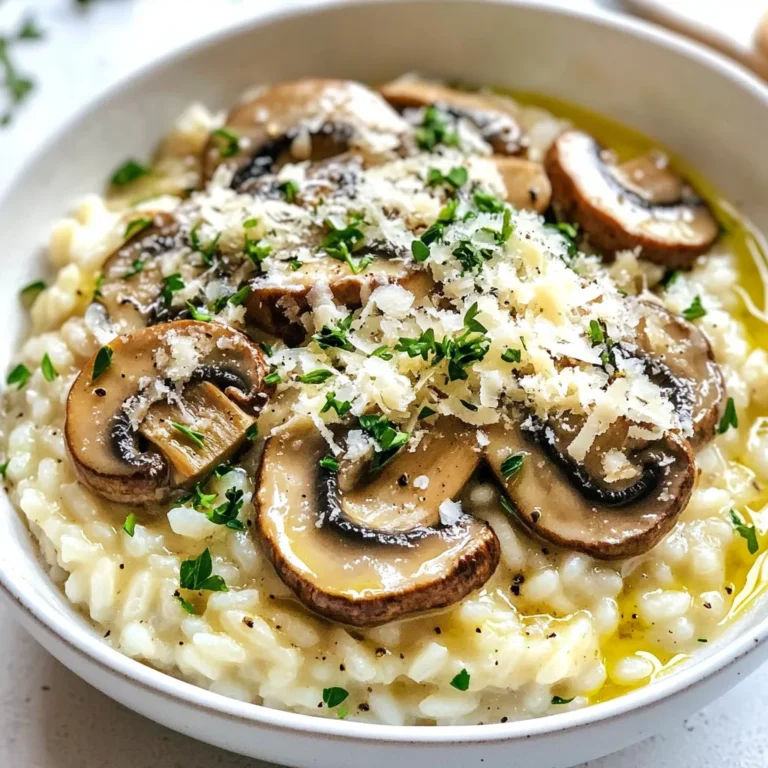
- 1 cup Arborio rice - 1 cup mixed mushrooms (shiitake, cremini, and button), sliced - 4 cups vegetable broth (plus extra, if needed) - 1 small onion, finely chopped - 2 cloves garlic, minced - 1/2 cup fresh parmesan cheese, finely grated - 1/4 cup heavy cream - 2 tablespoons extra virgin olive oil - Sea salt and freshly ground black pepper, to taste When cooking creamy mushroom risotto, it’s vital to use the right ingredients. Arborio rice is a must. Its starch gives risotto that creamy texture. Mixed mushrooms add depth and umami flavor. Shiitake brings earthiness, while cremini and button mushrooms add mildness. Next, we need vegetable broth. It’s the base of our dish. Keeping it warm while cooking is key. This helps the rice cook evenly. For the additional ingredients, onion and garlic lay the flavor foundation. They sauté well and give a sweet aroma. Parmesan cheese and heavy cream bring richness. They elevate the dish to a new level. Extra virgin olive oil adds a touch of fruitiness to the mix. Sea salt and black pepper enhance all the flavors. Choosing fresh herbs like parsley for garnish also brightens the dish. Gather these items before you start. It makes the cooking process smooth and fun! {{ingredient_image_2}} To start, heat your vegetable broth in a medium saucepan. Use medium heat and keep it warm, but do not let it boil. This helps the rice cook evenly. If the broth gets too cool, the risotto won’t be creamy. In a large skillet, pour in two tablespoons of olive oil. Heat it over medium heat. Add one finely chopped onion and cook for 3-4 minutes. Stir it often until it turns translucent. Next, add two minced garlic cloves. Sauté for one more minute until you smell its nice aroma. Then, toss in one cup of sliced mixed mushrooms. Cook them for about five minutes. They should be tender and golden brown. Season with a sprinkle of sea salt and black pepper to boost the flavor. Once your mushrooms are ready, add one cup of Arborio rice to the skillet. Stir it for about two minutes. This step helps the rice soak up the flavors. Now, gradually pour in the warm vegetable broth, one ladle at a time. Stir often and only add more broth when most of the liquid is absorbed. Keep this up for 18-20 minutes. The rice should be al dente and creamy by now. After the rice is cooked, take the skillet off the heat. Stir in 1/4 cup of heavy cream and 1/2 cup of finely grated parmesan cheese. Mix well until it is creamy. Taste your risotto and adjust the seasoning. Add more salt and pepper if needed. Let it sit for a few minutes to thicken before serving. To get that rich, creamy texture, stirring is key. You need to stir the rice often. This movement helps release the starches. Starch makes the risotto creamy. You want to keep the rice moving for even cooking. When you add broth, timing matters. Always add it slowly, one ladle at a time. Wait until most of the liquid is gone before adding more. This lets the rice absorb the flavors well. Keep the broth warm, but don’t let it boil. To boost the taste, use fresh herbs. I love adding thyme or rosemary. They pair well with mushrooms. For seasoning, a pinch of sea salt and black pepper work great. Choosing cheese is important too. Fresh parmesan adds a nice touch. Grate it finely for better mixing. If you want a different flavor, try pecorino cheese. The right pan makes a big difference. Use a wide, heavy-bottomed skillet. This helps the rice cook evenly. A non-stick pan can also help prevent sticking. For even cooking, keep your heat steady. Medium heat works best. If the risotto cooks too fast, it may burn. Stirring often will also help with even cooking. Pro Tips Use Fresh Mushrooms: Opt for fresh mushrooms rather than canned for a more robust flavor and better texture. Stir Constantly: Keep stirring the risotto as you add the broth; this helps release the starch from the rice, making it creamier. Adjust Liquid Gradually: Add the broth gradually and allow the rice to absorb it fully before adding more for optimal cooking. Finish with Butter: For an extra layer of richness, stir in a tablespoon of butter just before serving. {{image_4}} You can try many types of mushrooms in this dish. Shiitake, cremini, and button mushrooms work well together. Each type brings unique flavors and textures. You might also explore using portobello or oyster mushrooms. They add great depth to your risotto. If you want, throw in seasonal vegetables too. Spinach, peas, or asparagus brighten the dish. Just add them in the last few minutes of cooking. Not everyone can use cream or cheese. If you want a lighter option, use cashew cream. Blend soaked cashews with water for a creamy touch. Nutritional yeast can replace parmesan for a cheesy flavor. If you prefer vegan risotto, use vegetable broth and skip the cheese. This way, you keep all the flavors but make it plant-based. Herbs and spices can change the taste of your risotto. Try adding thyme or rosemary for a fresh kick. A pinch of nutmeg can add warmth too. For protein, consider adding cooked chicken, shrimp, or even lentils. These options make your dish more filling and nutritious. Mix and match to find your favorite flavors! Store leftover risotto in an airtight container. Let it cool first. This helps keep it fresh. Use glass or plastic containers that seal tightly. A good seal prevents air from getting in. To reheat, use the stove, microwave, or oven. If using the stove, add a splash of broth. Stir often to keep it creamy. For the microwave, heat in short bursts. This helps you avoid overcooking. Always check if it’s hot all the way through. To freeze risotto, cool it completely first. Then, put it in freezer-safe bags. Remove as much air as you can. This helps prevent freezer burn. For thawing, place it in the fridge overnight. Reheat on the stove with a bit of broth to restore creaminess. The best rice for risotto is Arborio rice. This rice has high starch content. It becomes creamy when cooked, making your dish rich and smooth. Arborio rice absorbs flavors well. It cooks evenly, giving you the perfect texture. You can find it in most grocery stores. Always choose good quality rice for the best results. Yes, you can make risotto ahead of time. Cook it fully, then cool it down quickly. Store it in an airtight container in the fridge. When you are ready to eat, reheat the risotto gently. Add a little broth or cream to bring back the creaminess. Stir it well to heat evenly. This way, you save time and still enjoy a warm meal. You can easily adjust this recipe for dietary restrictions. For a gluten-free version, ensure your broth is gluten-free. For vegan risotto, skip the cheese and cream. Use plant-based cheese or nutritional yeast for a cheesy flavor. Coconut cream can be a great dairy-free option. These changes keep the dish tasty and enjoyable for everyone. Creamy mushroom risotto pairs well with many side dishes. A simple green salad adds freshness. Grilled vegetables bring a nice crunch. You can also serve it with garlic bread for a comforting meal. A light soup complements the risotto well. Consider serving a glass of white wine for a special touch. These sides enhance the experience and make a full meal. This article covered how to make a creamy mushroom risotto. We discussed key ingredients like Arborio rice, mixed mushrooms, and broth. I shared step-by-step instructions to guide you through cooking the risotto, enhancing its flavor, and perfecting the texture. Finally, I offered tips on variations and storage. With these insights, you can create a risotto that suits your tastes and can be enjoyed fresh or reheated later. Happy cooking!

Creamy Mushroom Risotto Delightful and Simple Recipe

Read More Creamy Mushroom Risotto Delightful and Simple RecipeContinue

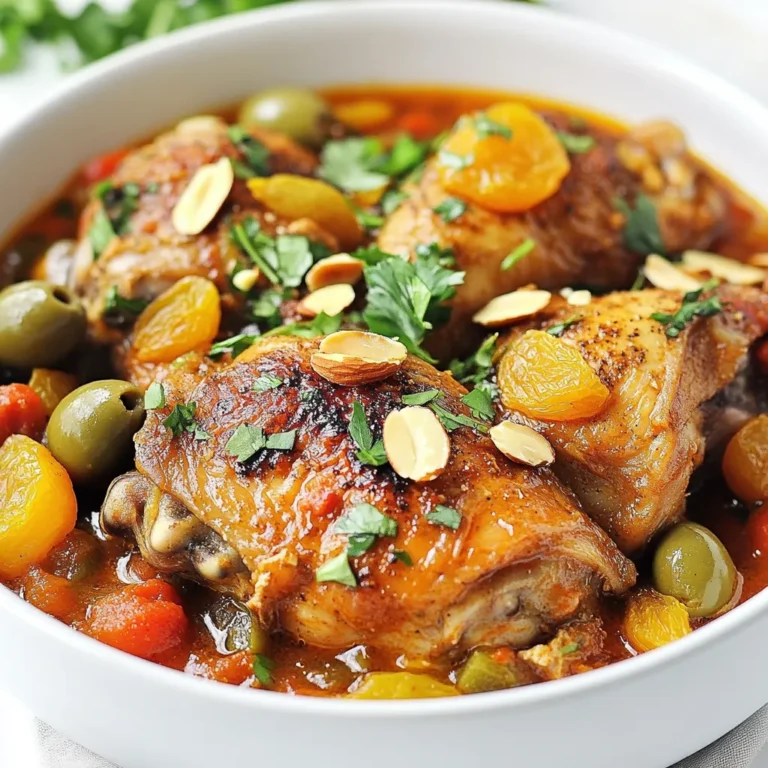
For this dish, you need the following main ingredients: - 4 chicken thighs, bone-in and skin-on - 2 tablespoons olive oil - 1 large onion, finely chopped - 3 cloves garlic, minced - 1 can (14 oz) diced tomatoes, with juices - 1 cup chicken broth - 1 cup dried apricots, chopped into bite-sized pieces - 1/2 cup almonds, toasted and roughly chopped - 1 cup green olives, pitted and halved - Salt and pepper to taste These ingredients bring rich flavors to the dish. The chicken provides protein and a savory taste. The dried apricots add sweetness. The olives give a salty bite that balances the meal. Spices make Moroccan Chicken Tagine special. Here are the spices you need: - 1 teaspoon ground cumin - 1 teaspoon ground ginger - 1 teaspoon ground cinnamon - 1 teaspoon smoked paprika - 1/2 teaspoon cayenne pepper (adjust to desired spiciness) This mix creates warmth and depth. Cumin and ginger give a warm flavor. Cinnamon adds a hint of sweetness. Smoked paprika adds earthiness, and cayenne gives it a kick. You can adjust the cayenne for more or less heat. Garnishes enhance the dish's look and taste. Here are some options: - Fresh cilantro or parsley, chopped - Lemon wedges Cilantro or parsley adds freshness. A squeeze of lemon brightens the flavors and offers a lively contrast to the rich sauce. Serve the tagine with couscous or crusty bread to soak up all that delicious sauce! {{ingredient_image_2}} Start by gathering all your ingredients. You will need: - 4 chicken thighs, bone-in and skin-on - 2 tablespoons olive oil - 1 large onion, finely chopped - 3 cloves garlic, minced - 1 teaspoon ground cumin - 1 teaspoon ground ginger - 1 teaspoon ground cinnamon - 1 teaspoon smoked paprika - 1/2 teaspoon cayenne pepper - 1 can (14 oz) diced tomatoes, with juices - 1 cup chicken broth - 1 cup dried apricots, chopped - 1/2 cup almonds, toasted and roughly chopped - 1 cup green olives, pitted and halved - Salt and pepper to taste - Fresh cilantro or parsley, chopped Next, heat the olive oil in a tagine or a heavy pot. Use medium-high heat until the oil shimmers. While the oil heats, season the chicken thighs with salt and pepper. This step adds great flavor to the meat. Once the oil is hot, add the chicken thighs. Brown them for about 5 to 7 minutes. The chicken should get a nice color. After browning, set the chicken aside on a plate. Now, it's time to add the onion to the pot. Cook the onions for about 5 minutes until they turn translucent. Add the minced garlic and cook for another minute. This will make your kitchen smell amazing! Next, add the spices: ground cumin, ginger, cinnamon, smoked paprika, and cayenne pepper. Stir well for about 2 minutes. This step wakes up the spices and helps the flavors blend. Pour in the diced tomatoes with their juices and the chicken broth. Stir everything together and bring the mix to a gentle simmer. Carefully return the browned chicken to the pot and nestle it into the sauce. Add the chopped dried apricots and cover the pot with a lid. Lower the heat and let the tagine simmer for about 45 minutes. Turn the chicken halfway through cooking for even results. You want the chicken tender and cooked through. In the last 10 minutes of cooking, gently stir in the toasted almonds and halved green olives. This adds texture and depth to your dish. Once the timer goes off, remove the pot from heat. Garnish with chopped cilantro or parsley for a fresh touch. Serve the tagine hot over a bed of fluffy couscous or with crusty bread. This helps soak up the rich sauce. Enjoy every flavorful bite! To get tender chicken, start with bone-in thighs. The bones add flavor and moisture. Brown the chicken in hot oil for about 5-7 minutes. This step seals in the juices. Once browned, let the chicken simmer in the sauce. Simmering slowly helps break down tough fibers. This makes the chicken juicy and soft. Remember to turn the chicken halfway through cooking. This ensures even cooking and flavor. You can make this dish your own by adjusting spices. If you like it spicy, add more cayenne pepper. If you prefer milder flavors, reduce the amount. Taste the sauce before it finishes cooking. You can always add more spices if needed. For a sweet twist, add extra dried apricots or a touch of honey. This balances the spices well. Always season with salt and pepper to enhance the flavors. A tagine pot is great for making this dish. It helps keep moisture in. If you don’t have one, use a heavy-bottomed pot. A Dutch oven works well too. Just make sure it has a tight-fitting lid. For serving, traditional dishes add charm. If you want, use a simple bowl or plate. This dish pairs well with couscous or crusty bread. Pro Tips Marinating the Chicken: For even more flavor, marinate the chicken thighs in the spices, olive oil, and some lemon juice for a few hours or overnight before cooking. Adjusting Spice Levels: Taste the sauce before serving and adjust the cayenne pepper to your preferred spice level; you can always add more, but it's hard to take it out! Using Fresh Herbs: Feel free to experiment with fresh herbs such as mint or dill along with cilantro or parsley for added freshness and complexity in flavor. Serving Suggestions: This tagine pairs wonderfully with couscous or fluffy rice, but consider serving it with flatbreads to soak up the delicious sauce. {{image_4}} You can easily swap some ingredients in this Moroccan Chicken Tagine. Here are a few ideas: - Chicken thighs: Use chicken breasts or drumsticks. - Olive oil: Swap for avocado oil or coconut oil. - Dried apricots: Try raisins or prunes for a different sweetness. - Green olives: Use Kalamata olives for a bolder flavor. - Spices: Feel free to add turmeric or cardamom for extra depth. To make a veggie version of this dish, follow these steps: - Replace chicken with firm tofu or chickpeas. - Use vegetable broth instead of chicken broth. - Add seasonal veggies like carrots, zucchini, or bell peppers. - Keep the same spices for that classic Moroccan flavor. Moroccan cuisine has many regional styles. Here are a few ways to vary your tagine: - In the north, add preserved lemons for a tangy twist. - In the south, use more spices like saffron and harissa for heat. - Some regions include nuts like pistachios or walnuts for added crunch. - You may even find seafood variations along the coast, using fish or shrimp. These variations let you customize your Moroccan Chicken Tagine to your taste. Enjoy exploring the flavors! To store leftover Moroccan chicken tagine, let it cool first. Place it in an airtight container. Make sure the lid seals tightly to keep the flavors fresh. You can also use a glass jar if you prefer. When you are ready to eat the leftovers, reheat the tagine on the stove. Pour it into a pot over low heat. Stir it often to avoid burning. You can add a splash of chicken broth if it seems dry. Heat until it is warm all the way through. Leftover Moroccan chicken tagine can last in the fridge for up to four days. If you want to keep it longer, freeze it. In the freezer, it can last for about three months. Just remember to label it with the date before you freeze it. Moroccan Chicken Tagine has roots in North Africa. Tagines are named after the pot used to cook them. This dish blends spices and local ingredients. It reflects the rich culture and traditions of Morocco. Yes, you can use a slow cooker for Moroccan Chicken Tagine. Brown the chicken first for flavor. Then, add all other ingredients to the slow cooker. Set it on low for about 6 hours. Serve Moroccan Chicken Tagine with fluffy couscous or crusty bread. A side of fresh salad adds crunch. You can also pair it with roasted vegetables for more flavor. Moroccan Chicken Tagine lasts about 3 to 4 days in the fridge. Store it in an airtight container. Make sure to cool it before you put it away. Yes, you can use lamb, beef, or even fish for this tagine. Adjust the cooking time based on the meat. Each option offers a unique flavor twist to your dish. Moroccan Chicken Tagine is a tasty dish to make at home. We covered the key ingredients, such as spices and garnishes. The step-by-step guide helps you prepare and cook perfectly. Tips for tender chicken and flavor adjustments ensure great results every time. Variations let you customize the dish to your liking, whether vegetarian or using different meats. Remember to store leftovers properly for later enjoyment. With this knowledge, you can now create a delicious Moroccan Chicken Tagine anytime! Enjoy your cooking journey!

Moroccan Chicken Tagine Flavorful and Easy Recipe

Read More Moroccan Chicken Tagine Flavorful and Easy RecipeContinue

- 1 cup stone-ground grits - 1 pound large shrimp, peeled and deveined - 3 tablespoons unsalted butter, divided - 4 cloves garlic, minced - 1/2 cup heavy cream The foundation of this dish lies in its main ingredients. Stone-ground grits bring a rich texture. They cook slowly, allowing flavors to develop. For the shrimp, I prefer large, fresh ones. They soak up the sauce and keep their bite. Unsalted butter is crucial for flavor control. Garlic adds depth and aroma. Lastly, heavy cream gives the dish a silky finish. - 1 teaspoon smoked paprika - 1 teaspoon dried thyme - 1 teaspoon dried oregano - Juice of 1 lemon - 1/4 cup fresh parsley, finely chopped Seasonings elevate this dish. Smoked paprika adds a hint of warmth. Dried thyme and oregano provide herbal notes. Lemon juice brightens the entire dish. Fresh parsley not only adds color but also freshness. Together, these flavors create a balanced, savory experience. - 4 cups water or chicken broth The choice of cooking liquid is key. Water is simple and works well. Chicken broth adds more flavor, making the grits richer. I often use broth for a creamier taste. This choice enhances the overall dish, making it more satisfying. {{ingredient_image_2}} 1. Boiling water or broth: Start by bringing 4 cups of water or chicken broth to a boil in a medium pot. Use broth for a richer taste. 2. Whisking in the stone-ground grits: Slowly add 1 cup of stone-ground grits to the boiling liquid. Whisk it in well to stop lumps. 3. Cooking time and consistency check: Once it boils again, turn down the heat. Cook for 20-25 minutes, stirring often. Check if the grits are creamy. If they get too thick, add more liquid. 1. Sautéing garlic in butter: In a skillet, melt 2 tablespoons of unsalted butter over medium heat. Add 4 minced garlic cloves and cook for 1-2 minutes. Make sure the garlic doesn’t brown. 2. Adding shrimp and seasoning: Add 1 pound of peeled and deveined shrimp to the skillet. Season with 1 teaspoon smoked paprika, 1 teaspoon dried thyme, 1 teaspoon dried oregano, salt, and pepper. 3. Cooking time to achieve perfect shrimp: Cook the shrimp for 2-3 minutes, turning them halfway. They should turn pink and opaque when done. 1. Adding heavy cream and lemon juice: Lower the heat and stir in 1/2 cup of heavy cream. Let it simmer for 2 minutes. Squeeze in the juice of 1 lemon for brightness. 2. Blending grits for creaminess: Once the grits are done, mix in the last tablespoon of butter. Season with salt and pepper. Blend until smooth and creamy. 3. Plating instructions for presentation: Serve the grits in shallow bowls. Top with the shrimp mixture. Sprinkle with 1/4 cup finely chopped fresh parsley for a fresh touch. - Importance of stone-ground grits: Stone-ground grits offer a rich, nutty taste. They give a better texture than quick-cooking grits. Always choose stone-ground for the best results. - Adjusting consistency with liquid: If your grits get too thick, add more water or broth. Stir gently to blend. Aim for a creamy feel; it should not be too runny or too stiff. - Common mistakes to avoid: Avoid cooking grits over high heat. This can make them clump together. Stir often to prevent sticking. - Tips on marinating shrimp: Marinate shrimp for about 30 minutes. Use olive oil, garlic, and lemon juice. This brings out the shrimp's natural taste. - Alternative spices and herbs: Try adding old bay seasoning or fresh basil. They can add unique flavors to your dish. Don't be afraid to experiment! - Cooking shrimp to prevent toughness: Cook shrimp just until they turn pink. Overcooking can make them rubbery. Remove them from heat as soon as they are opaque. - Elegant plating techniques: Use shallow bowls for a nice presentation. Spoon the grits first, then top with shrimp. This makes a beautiful layer effect. - Using garnishes for visual appeal: Fresh parsley adds color and freshness. A slice of lemon on the side brightens the plate. - Accompanying side dishes: Serve with a simple salad or crusty bread. This complements the meal and adds balance. Pro Tips Use Fresh Shrimp: Whenever possible, opt for fresh shrimp over frozen for the best flavor and texture. Adjust Creaminess: If you prefer creamier grits, gradually add more broth or cream until you reach your desired consistency. Flavor Boost: For an extra boost of flavor, consider adding a dash of hot sauce to the shrimp mixture before serving. Herb Variations: Feel free to experiment with fresh herbs like dill or chives for a unique twist on the traditional recipe. {{image_4}} You can make this dish lighter. Use low-fat milk instead of heavy cream. This keeps the creaminess while cutting calories. For a vegan option, replace shrimp with sautéed mushrooms or tofu. Use plant-based butter for a delicious twist. You can also swap out grits for quinoa or cauliflower rice. These choices keep the meal tasty and light. Different regions have unique styles. Southern-style grits are soft and creamy, while coastal versions might add a hint of spice. You can try adding local seafood like crab or scallops for a fresh flavor. Spices vary too; Cajun seasoning can give your dish a kick. Each twist highlights local tastes and makes the meal special. Fresh produce can enhance your dish. In spring, add asparagus or peas for a pop of color. Summer is great for tomatoes or corn, giving a sweet touch. In fall, try butternut squash for a warm flavor. Winter herbs like rosemary or sage can also bring a cozy warmth. Using seasonal ingredients keeps your dish vibrant and fresh. To keep shrimp and grits fresh, store them in separate containers. Use airtight containers to prevent odors and moisture. Grits can thicken in the fridge, so add a little water when reheating. Shrimp should stay in their own container to keep the flavors intact. Remember to eat leftovers within three days for the best taste. When you reheat shrimp and grits, you want to keep them creamy and tasty. For grits, the stovetop is best. Add a splash of water or broth to help them smooth out. Stir often over low heat until warm. For shrimp, you can use the microwave, but be careful not to overcook. Heat in short intervals, checking often. If you want to freeze garlic herb shrimp and grits, do it right. Place the grits and shrimp in separate freezer-safe bags or containers. This helps keep their taste and texture. For best results, eat them within three months. When you’re ready, thaw overnight in the fridge. Reheat gently on the stovetop to enjoy their full flavor. For this recipe, large shrimp work best. They have a nice texture. You can use fresh or frozen shrimp. Fresh shrimp taste great but may not always be easy to find. Frozen shrimp are often just as good. Always check for quality. Look for shrimp that smell fresh and have a firm texture. Yes, you can prepare some parts in advance. The grits can be made ahead and stored. If you do this, keep them in the fridge. To reheat, add a splash of water or broth. The shrimp should be cooked fresh for best taste. You can prep the garlic and seasonings early. To adjust the spice level, try adding chili powder or fresh peppers. This can give your dish a nice kick. You can start with a little and add more to taste. Also, adjust the seasoning with salt and pepper. Make the dish suit your taste buds! Garlic herb shrimp and grits is a tasty dish rich in flavor. We covered key ingredients, cooking methods, and helpful tips. You can customize this dish with variations and perfect your plating technique. Remember to store leftovers properly for later enjoyment. Whether you cook it for a special meal or a cozy night in, this dish promises satisfaction. Explore it, make it your own, and share the joy it brings. Enjoy your cooking adventure!

Garlic Herb Shrimp and Grits Savory Comfort Food

Read More Garlic Herb Shrimp and Grits Savory Comfort FoodContinue

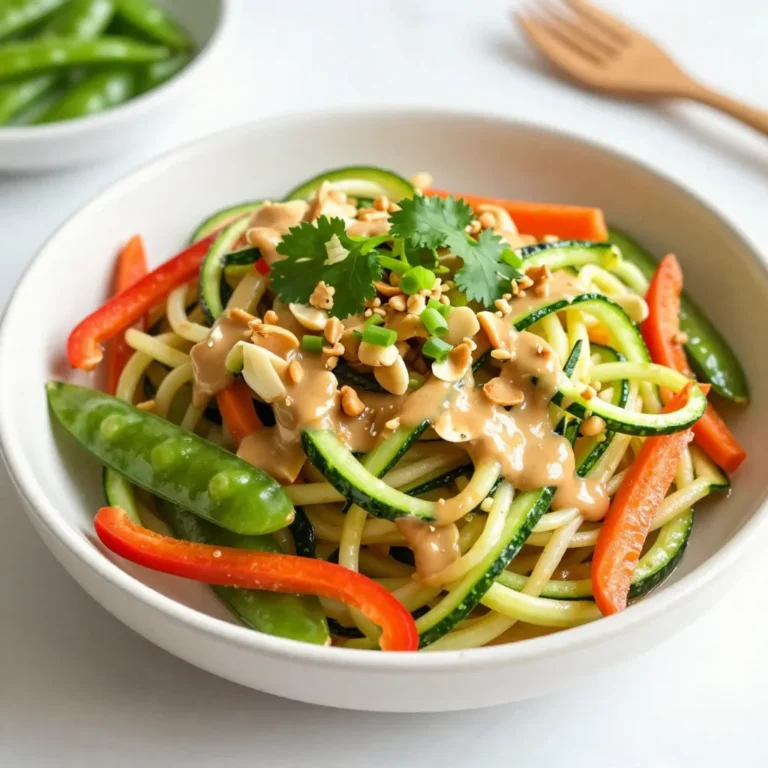
- 4 medium zucchinis, spiralized into zoodles - 1 red bell pepper, thinly sliced - 1 cup snap peas, trimmed and halved - 1 large carrot, cut into julienne strips - 1/4 cup creamy peanut butter - 2 tablespoons soy sauce (or gluten-free tamari) - 1 tablespoon sriracha (adjust for heat level) - 1 tablespoon rice vinegar - 2 teaspoons sesame oil - 1 tablespoon fresh ginger, finely minced - 2 cloves garlic, finely minced - 1/4 cup scallions, finely chopped - 1/4 cup fresh cilantro, roughly chopped - Crushed peanuts for garnish Gathering these ingredients is simple. You can find zucchinis and bell peppers at most grocery stores. The peanut butter should be creamy for a smooth sauce. If you want more heat, adjust the sriracha to your taste. Fresh ginger and garlic bring great flavor. I love using fresh herbs like cilantro and scallions as they add brightness. Crushed peanuts are a fun topping. They give a nice crunch to the dish. Make sure to prep all your veggies before you start cooking. This way, everything flows smoothly in the kitchen. Get ready to enjoy a tasty and quick meal that is packed with flavor! {{ingredient_image_2}} Start by heating sesame oil in a large skillet over medium heat. Once the oil shimmers, add minced ginger and garlic. Sauté them until they smell great, about 30 seconds. This step builds a strong flavor base for your dish. Next, add sliced red bell pepper, halved snap peas, and julienned carrot to the skillet. Stir-fry these colorful veggies for 3-4 minutes. You want them tender but still crisp. This gives your zoodles a nice texture and adds vibrant color. In a small bowl, combine creamy peanut butter, soy sauce, sriracha, and rice vinegar. Whisk the mixture until it is smooth. If it feels too thick, add a splash of warm water. The sauce should be creamy and easy to pour over the zoodles. Now it's time for the zoodles! Gently fold the spiralized zucchini into the skillet with the sautéed veggies. Drizzle the peanut sauce over everything. Toss them together carefully to coat well. Cook for an additional 2-3 minutes until the zoodles are warmed through but still have a slight crunch. Remove the skillet from heat. Stir in chopped scallions and cilantro. This fresh addition adds a burst of flavor and color to your dish. Serve the spicy zoodles while they are hot. Garnish each plate with crushed peanuts for extra crunch. Present them in shallow bowls for a lovely display. Enjoy your colorful and tasty meal! To enhance the flavor of your Spicy Peanut Zoodles, you can adjust the spice level. If you want more heat, add extra sriracha or a pinch of red pepper flakes. For a milder dish, reduce the sriracha. Adding lime juice can also bring a fresh zing. Fresh lime zest brightens the flavor, so consider a sprinkle. You can deepen the flavor with toasted sesame seeds. Just sprinkle them on top before serving. They add nice crunch and nutty notes. For a hint of sweetness, drizzle a bit of honey or maple syrup into the sauce. This balances the heat and adds a new layer of flavor. How you serve your Spicy Peanut Zoodles can make a big difference. Use shallow bowls to show off the colorful veggies. Arrange the zoodles in a neat pile for an eye-catching look. A small mound of crushed peanuts on top adds texture. Don't forget a few sprigs of cilantro for a pop of color. For extra flair, consider using a squeeze bottle to drizzle the peanut sauce. This creates a lovely pattern on the plate. You can also sprinkle sesame seeds over the dish for added visual appeal and flavor. Remember, we eat with our eyes first! To maintain the crunch in your zoodles, avoid overcooking them. When you add the zoodles to the skillet, cook just until heated through. This should take about 2-3 minutes. If they cook too long, they become mushy. Keep them firm for the best texture. A quick tip: If you find zoodles too watery, pat them dry with a paper towel before cooking. This helps them stay crunchy. Another option is to sauté them separately for a minute or two before combining them with the sauce. This ensures they stay crisp and delicious. Pro Tips Adjust the Spice Level: If you're not a fan of too much heat, start with a small amount of sriracha and gradually add more to suit your taste. Use Fresh Ingredients: Fresh ginger and garlic will enhance the flavor of the dish, so opt for fresh over pre-minced whenever possible. Customize Your Veggies: Feel free to add or substitute other vegetables like broccoli or bell peppers based on your preference or what's in season. Store Leftovers Properly: If you have leftovers, store the zoodles and sauce separately to prevent the zoodles from becoming soggy. {{image_4}} You can easily make this dish fit your needs. If you're gluten-free, swap soy sauce for tamari. For a vegan option, ensure your peanut butter is free of any animal products. If you want a nut-free dish, use sunflower seed butter instead of peanut butter. This way, everyone can enjoy the meal! Feel free to get creative with your veggies! You can add seasonal choices like bell peppers, broccoli, or even mushrooms. If you like greens, toss in some spinach or kale near the end of cooking. The more colors you add, the more fun and tasty your zoodles will be! Want to make this meal heartier? Add protein! Tofu is a great choice. Just cube it and sauté it with the veggies. If you eat meat, chicken or shrimp works well, too. Cook them until they are done, then mix them with the zoodles. This adds flavor and makes the dish more filling. To keep your zoodles fresh in the fridge, store them in an airtight container. Make sure to separate the zoodles from the veggies and sauce. This prevents sogginess. Zoodles can last for up to three days when stored this way. If you want to keep the flavors strong, add a slice of lemon in the container. This helps keep everything bright. Yes, you can freeze this dish! To do so, first allow the zoodles to cool. Place them in a freezer-safe bag or container. You can freeze the peanut sauce separately, too. Just make sure to leave some space in the container for expansion. The dish will stay fresh for up to three months in the freezer. When you’re ready to eat, thaw overnight in the fridge. Reheat your zoodles gently. Use a skillet over medium heat for the best results. Add a splash of water or broth to keep them moist. Heat for about five minutes, stirring often, until warmed through. Avoid the microwave if you can. It can make the zoodles mushy. With these tips, your spicy peanut zoodles will taste just as good as when you first made them! You can make zoodles using a few handy tools. A vegetable peeler works well. Simply peel thin strips from the zucchini. You can also use a box grater to create thin strands. Just be careful with your fingers! Another option is to slice the zucchini into thin rounds and then stack and cut them into strips. Each method gives you a fun texture. Yes, you can prepare the peanut sauce in advance. Mix the peanut butter, soy sauce, sriracha, and rice vinegar in a bowl. Store it in an airtight container in the fridge. It will last for a week. Just give it a good stir before using, as it may thicken. If needed, add a little warm water to loosen it up. If you have allergies to peanuts, there are great alternatives. Almond butter or sunflower seed butter can work well. Both have a similar texture and flavor. You can also try tahini, which is made from sesame seeds. Each option gives a unique twist to the sauce, so choose what you like best! In this post, we explored how to make spicy peanut zoodles. We covered the main ingredients, the steps to prepare them, and tips for enhancements. I shared helpful ideas for variations to fit your diet. Lastly, I provided storage information, so you can enjoy leftovers. With these simple steps, you can create a tasty and healthy meal. Enjoy making this dish and share it with friends!

Spicy Peanut Zoodles Flavorful and Easy Weeknight Meal

Read More Spicy Peanut Zoodles Flavorful and Easy Weeknight MealContinue

- 2 cups cooked jasmine rice - 1 pound boneless, skinless chicken thighs, diced into bite-sized pieces - 1 cup teriyaki sauce - 1 cup frozen mixed vegetables - 1 tablespoon sesame oil - You can swap mozzarella cheese for cheddar. Cheddar adds a sharp taste. - Fresh vegetables can be used instead of frozen. Fresh gives a brighter flavor. - Use different oils if you prefer. Olive oil or avocado oil work well too. - Fresh ginger gives a nice kick. It adds warmth and depth to your dish. - Garlic is key for great flavor. Minced garlic enhances the overall taste. - Add salt and pepper to taste. This helps balance the flavors well. - For extra flair, use garnishes like sesame seeds and chopped green onions. They add a nice crunch and color. {{ingredient_image_2}} 1. First, preheat your oven to 375°F (190°C). This warms the oven for baking. 2. Next, grab a large skillet. Heat 1 tablespoon of sesame oil over medium-high heat. 3. Once hot, add 1 pound of diced chicken thighs. Season with salt and pepper. 4. Sauté the chicken for 5-7 minutes. Look for a golden brown color and ensure it's cooked through. 5. Now, add 1 tablespoon of freshly grated ginger and 2 cloves of minced garlic. Stir for 1-2 minutes until fragrant. 1. In a large bowl, mix 2 cups of cooked jasmine rice with the chicken mixture. 2. Add 1 cup of frozen mixed vegetables. Stir until everything is well blended. 3. Transfer this colorful mix to a greased 9x13-inch casserole dish. 4. Top it with 1 cup of shredded mozzarella cheese, covering the whole dish. 1. Place the casserole in the oven and bake for 25-30 minutes. Look for melted and bubbly cheese. 2. Once baked, take it out and let it cool for about 5 minutes. This helps the dish set. 3. Garnish with 2 chopped green onions and a sprinkle of sesame seeds for a nice finish. - Ensuring perfectly cooked chicken: Use boneless, skinless chicken thighs. Cut them into bite-sized pieces for quick cooking. Sauté them until they are golden brown. This takes about 5-7 minutes. Make sure the chicken is cooked through to avoid any raw spots. - Key points for flavor infusion: Always add ginger and garlic after browning the chicken. This keeps their flavors bright. Cook them for only 1-2 minutes until fragrant. Then, add the teriyaki sauce. This step helps the sauce soak into the chicken. - What to serve alongside the casserole: I love to pair this dish with a fresh salad. A simple cucumber and carrot salad adds crunch. You can also serve it with steamed broccoli or snap peas for extra veggies. - Ideal occasions for this dish: This casserole shines during family dinners or potlucks. It is easy to make and serves many people. You can also serve it on busy weeknights when you need a quick meal. - Reheating without losing texture: To reheat, place leftovers in a microwave-safe dish. Cover it with a damp paper towel. Heat in short bursts to keep the rice and chicken moist. - Creative ways to repurpose leftovers: You can turn leftovers into a tasty stir-fry. Just add some fresh veggies and sauce in a pan. Stir-fry until heated through for a quick lunch or dinner. Pro Tips Marinate the Chicken: For an even more flavorful dish, marinate the diced chicken thighs in the teriyaki sauce for at least 30 minutes before cooking. This will infuse the meat with richer flavors. Use Fresh Vegetables: If you have fresh vegetables on hand, feel free to substitute them for the frozen mixed vegetables. Broccoli, bell peppers, or snap peas add a delightful crunch and freshness. Experiment with Cheese: While mozzarella is a great choice, try using different types of cheese like gouda or pepper jack for a unique twist on flavor. Leftovers Make Great Lunches: This casserole keeps well in the fridge and can be reheated for a quick lunch. Just make sure to store it in an airtight container to maintain freshness. {{image_4}} You can make this dish lighter by using less sauce. Try low-calorie teriyaki sauce. For a gluten-free option, use tamari instead of regular soy sauce. You can also swap jasmine rice for quinoa. Quinoa adds protein and is gluten-free. To add a kick, mix in sriracha or chili flakes. These spices bring heat and depth. For a sweet twist, add fresh pineapple chunks. Pineapple adds a bright flavor that works well with teriyaki. If you want a vegetarian meal, try using tofu or tempeh. Both options absorb flavors well. You can also use shrimp for a seafood version. Shrimp cooks quickly and adds a nice bite to the casserole. To store leftovers, let the casserole cool first. Place it in an airtight container. This keeps it fresh and tasty. In the fridge, it lasts for about 3 to 4 days. When you want to eat it again, just reheat portions in the microwave or oven. You can freeze this casserole, which is great for meal prep. First, let it cool completely. Then, cut it into portions and wrap each in plastic wrap. Place the wrapped pieces in a freezer-safe bag or container. When ready to eat, take it out and thaw overnight in the fridge. Reheat in the oven at 350°F (175°C) until hot. To prepare in advance, cook the chicken and rice a day ahead. Store them separately. You can also mix the veggies and teriyaki sauce together. On busy nights, just combine everything and bake. This saves time and keeps dinner easy. If you do not have jasmine rice, you can use basmati or brown rice. Basmati rice has a nice aroma and fluffy texture. Brown rice adds a nutty flavor and is more filling. Both options will work well in this casserole. Yes, you can make this recipe ahead of time. Cook the rice and chicken, then mix everything. Place it in the fridge for up to two days. When you are ready, just bake it. Absolutely! This casserole is great for meal prep. You can portion it out for lunches or dinners. It keeps well in the fridge for about five days. Just reheat in the oven or microwave. Yes, you can make this casserole vegetarian. Replace the chicken with tofu or tempeh. Use a vegetarian teriyaki sauce to keep the flavors. You will still enjoy a hearty and tasty dish. This blog post explored the delicious teriyaki chicken rice casserole. We discussed key ingredients like cooked jasmine rice, chicken thighs, and rich teriyaki sauce. I provided step-by-step instructions to simplify your cooking. You learned helpful tips for flavor and serving, plus variations for healthier options. Remember, cooking is all about joy and creativity. With these ideas, you can customize your casserole to fit your taste. Enjoy making this dish your own, and don't hesitate to experiment with leftovers or new flavors!

Teriyaki Chicken Rice Casserole Easy and Flavorful Dish

Read More Teriyaki Chicken Rice Casserole Easy and Flavorful DishContinue

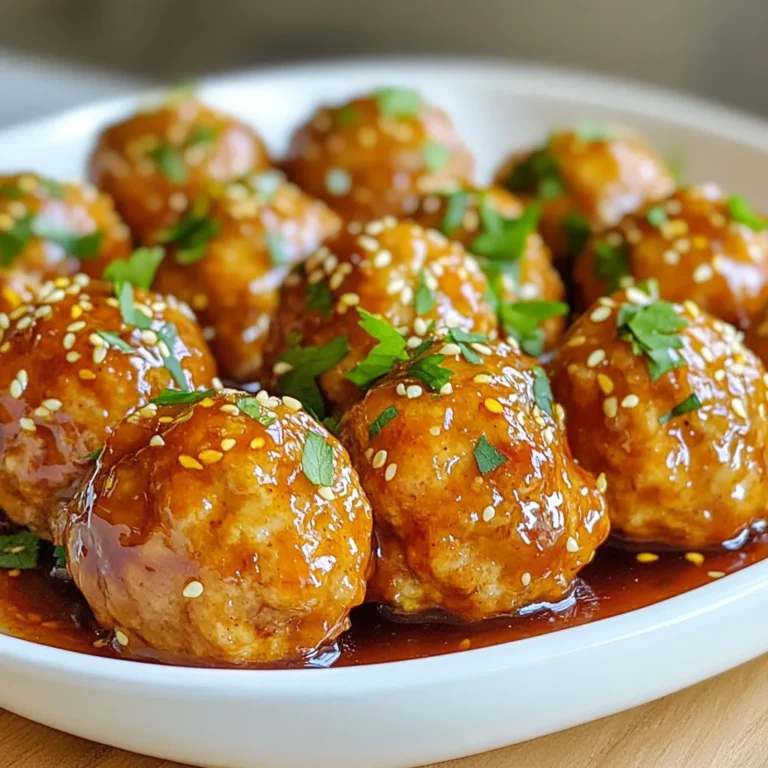
To make honey garlic turkey meatballs, you need a mix of tasty ingredients. Here’s a list to help you gather everything: - 1 lb ground turkey - 1/2 cup breadcrumbs - 1/4 cup freshly grated Parmesan cheese - 1/4 cup fresh parsley, finely chopped - 2 cloves garlic, minced - 1 large egg - 1 teaspoon kosher salt - 1/2 teaspoon freshly cracked black pepper - 1/4 teaspoon red pepper flakes (optional, for a kick) - 1/2 cup honey - 1/4 cup soy sauce (low sodium recommended) - 1 tablespoon apple cider vinegar - 1 teaspoon sesame oil - Toasted sesame seeds, for garnish Each ingredient plays a key role in building flavor. Ground turkey keeps the meatballs light. Breadcrumbs add texture and help bind the mix. Parmesan cheese lends a savory touch. Fresh parsley brightens the dish. Garlic gives it a warm, rich flavor. The egg helps hold everything together. Salt and pepper enhance the taste, while red pepper flakes give a hint of heat. Honey, soy sauce, apple cider vinegar, and sesame oil create a sweet and tangy sauce. Finally, sesame seeds make for a nice garnish, adding crunch and style. With these ingredients, you can create a dish that is both savory and satisfying. Enjoy the cooking process as you bring these flavors together! {{ingredient_image_2}} To start, grab a large mixing bowl. Add 1 pound of ground turkey. Then, toss in 1/2 cup of breadcrumbs, 1/4 cup of freshly grated Parmesan cheese, and 1/4 cup of finely chopped fresh parsley. Next, add 2 cloves of minced garlic, 1 large egg, 1 teaspoon of kosher salt, 1/2 teaspoon of black pepper, and 1/4 teaspoon of red pepper flakes if you want a little heat. Mix well using your hands or a spatula. It’s key to blend all the ingredients evenly. This helps ensure every meatball has the same great taste. You want to feel the texture shift as you mix. The goal is a firm yet moist mixture that holds together nicely. Now, let’s shape the meatballs. Aim for a size of 1 to 1.5 inches in diameter. Try to make them as uniform as possible. This helps them cook evenly. Line a baking sheet with parchment paper before placing the meatballs on it. Leave some space between them to avoid sticking. Preheat your oven to 400°F (200°C). Bake the meatballs for about 20 minutes. They should reach an internal temperature of 165°F and look golden brown. While your meatballs bake, it’s time to make the honey garlic sauce. In a small saucepan, mix 1/2 cup of honey, 1/4 cup of soy sauce, 1 tablespoon of apple cider vinegar, and 1 teaspoon of sesame oil. Heat this over medium until it simmers. Stir it occasionally. You want it to thicken a bit, which takes about 5 minutes. Once your meatballs are done, transfer them to a large bowl. Drizzle the sauce over them and gently toss to coat each meatball. This adds lots of flavor. Then, return them to the baking sheet for another 5 minutes. This last step caramelizes the sauce, giving a nice glaze. - Maintaining moisture in turkey meatballs: To keep your meatballs juicy, add breadcrumbs and grated cheese. They soak up moisture and add flavor. - How to avoid dry meatballs: Don’t overmix the turkey. Mix until just combined. If you feel it’s too dry, add a splash of milk. - Ensuring even cooking: Shape meatballs the same size. This helps them cook evenly. Aim for 1 to 1.5 inches in diameter. - Best sides to pair with honey garlic turkey meatballs: Serve with fluffy rice or a fresh salad. Steamed veggies also complement the sweet sauce well. - Creative ways to serve meatballs: You can serve them in a wrap or over pasta. Try them in a sub sandwich for a fun twist. - Garnishing tips for presentation: Sprinkle toasted sesame seeds and chopped parsley on top. It adds color and a nice crunch. - Alternatives for ground turkey: You can use ground chicken or lean beef if you prefer. Both options work well with the honey garlic sauce. - Gluten-free breadcrumbs options: Use crushed rice cereal or gluten-free oats. They bind the meatballs without gluten. - Low-sodium soy sauce alternatives: Try coconut aminos or tamari. They give a similar flavor with less salt. Pro Tips Use Lean Ground Turkey: Opt for lean ground turkey to keep the meatballs moist while reducing fat content. This ensures a healthier dish without sacrificing flavor. Chill the Mixture: After mixing the meatball ingredients, refrigerate the mixture for about 30 minutes. This makes it easier to shape the meatballs and helps them hold their shape during baking. Adjust the Sauce Sweetness: Taste the honey garlic sauce as it simmers and adjust the sweetness by adding more honey or a splash of soy sauce if needed. This allows you to customize it to your preference. Perfect Baking Time: Keep an eye on the meatballs during the last few minutes of baking. This ensures they don’t overcook and lose their juiciness while allowing the sauce to caramelize beautifully. {{image_4}} If you love heat, you can make a spicy version of these meatballs. Start by adding more red pepper flakes. Use one teaspoon instead of a quarter teaspoon. This change gives a nice kick. You can also mix in chopped jalapeños for extra spice. Suggested ingredients for a spicy kick: - 1 teaspoon red pepper flakes - 1-2 jalapeños, finely chopped - Hot sauce of your choice For a meat-free version, you can swap out the turkey. Use plant-based ground meat or lentils as a base. Lentils cook well and add fiber. You can also use black beans, mashed into a paste. Suitable substitutes for turkey: - 1 lb plant-based ground meat - 1 cup cooked lentils - 1 can black beans, mashed To give these meatballs an Asian flair, add sesame seeds and green onions. They enhance flavor and crunch. You can also mix in soy sauce with ginger and garlic for a rich taste. Consider using hoisin sauce for a sweet twist. Suggested herbs and sauces: - 2 tablespoons minced ginger - 1/4 cup green onions, chopped - 2 tablespoons hoisin sauce To keep your leftover meatballs fresh, place them in an airtight container. This helps prevent them from drying out. Store them in the fridge immediately after they cool down. You can safely enjoy your meatballs for up to three days. If you want them to last longer, consider freezing. You can freeze meatballs both before and after cooking. If you freeze them raw, shape the meatballs and place them on a baking sheet. Freeze them for a few hours until firm, then transfer to a freezer bag. This way, they won’t stick together. If you freeze them after cooking, let them cool first. Store them in a container or a freezer bag. To thaw, move the meatballs to the fridge for a few hours or overnight. You can also use the microwave for quick thawing. When ready to eat, heat them in the oven or on the stovetop until hot. This keeps the flavors intact. These turkey meatballs are great for meal prepping. You can make a large batch and use them in different meals. Try adding them to pasta, salads, or grain bowls. They also work well in wraps or sandwiches. For a quick meal, pair meatballs with rice and steamed veggies. You can even toss them in a stir-fry for a delicious twist. Store meatballs in the fridge and enjoy them throughout the week. Yes, you can use chicken instead of turkey. Chicken makes a lean meatball. It can be just as tasty. However, turkey often has more flavor. Chicken may need more seasoning to match turkey's depth. Cook the meatballs for about 20 minutes at 400°F. This time helps them get golden brown. Make sure they reach an internal temperature of 165°F. Use a meat thermometer for accuracy. Yes, you can make the sauce ahead of time. It saves time on busy days. Store it in the fridge for up to five days. Use an airtight container to keep it fresh. When you're ready, heat it on the stove. You learned how to make tasty honey garlic turkey meatballs from start to finish. We covered the key ingredients, mixing tips, and baking methods. You also got advice on sauce prep and storage. Remember, the right mixture and cooking tips keep the meatballs moist. Feel free to try different variations to suit your taste. Whether you want spice or a vegetarian option, get creative. These meatballs can be a great meal prep choice too. Enjoy your cooking adventure!

Honey Garlic Turkey Meatballs Savory and Easy Recipe

Read More Honey Garlic Turkey Meatballs Savory and Easy RecipeContinue

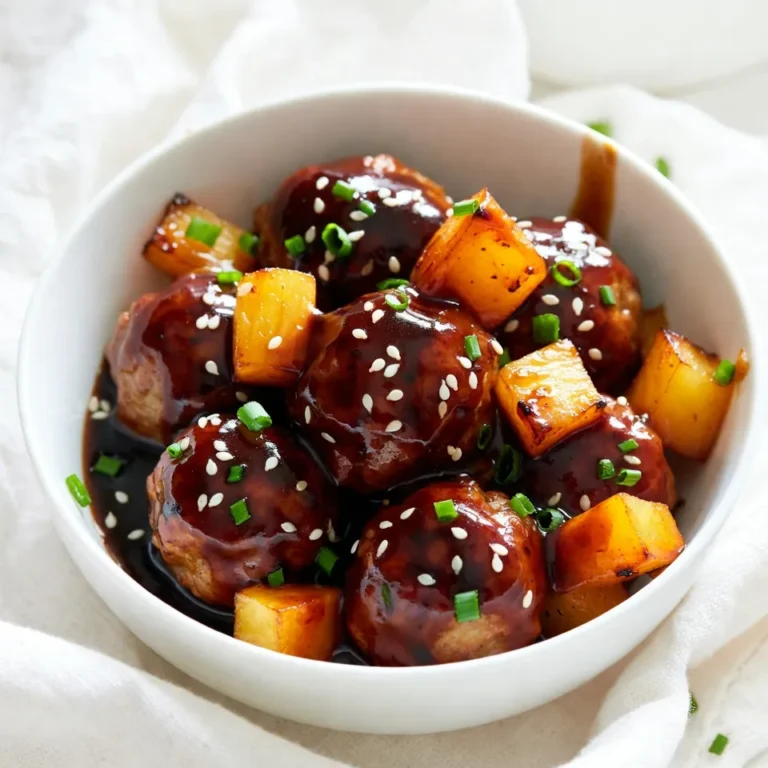
- 1 lb ground beef or ground turkey - 1/2 cup breadcrumbs - 1/4 cup green onions, finely chopped - 2 cloves garlic, minced - 1 teaspoon fresh ginger, grated - 1 large egg - Salt and black pepper, to taste To make these meatballs, start with your choice of meat. Ground beef gives a rich flavor, while turkey is lighter. The breadcrumbs help bind the meatballs and keep them moist. Chopped green onions add a fresh crunch. Don't forget garlic and ginger; they bring a nice kick to the mix. Use a large egg to help everything stick together, and season with salt and pepper. - 1/2 cup teriyaki sauce (store-bought or homemade) - 1 cup fresh pineapple, diced into small chunks For the sauce, you can use store-bought teriyaki sauce for ease. It saves time, especially on busy days. If you prefer, making your own sauce can be fun and rewarding. Use fresh pineapple to add sweetness and texture. Canned pineapple works too, but fresh gives a better flavor. - Sesame seeds - Additional sliced green onions Garnishes make your dish pop! Sesame seeds add a nutty crunch. Sliced green onions bring color and freshness. A simple sprinkle of these will enhance your meatballs. It makes the dish look pretty and adds flavor. {{ingredient_image_2}} 1. Start by taking a large bowl. Add 1 pound of ground beef or turkey. 2. Mix in 1/2 cup of breadcrumbs. Then, add 1/4 cup of finely chopped green onions. 3. Crack in 1 large egg to bind everything together. 4. Add 2 cloves of minced garlic and 1 teaspoon of grated fresh ginger. 5. Sprinkle in salt and black pepper to taste. 6. Use your hands to mix everything well. Ensure all the ingredients blend evenly. 7. Once mixed, form the meat mixture into small meatballs, about 1 inch wide. 1. Preheat your oven to 400°F (200°C). This step is key for a nice bake. 2. Line a baking sheet with parchment paper. This helps the meatballs not stick. 3. Place the formed meatballs on the baking sheet. 4. Bake them for 15-20 minutes. You want them golden brown and cooked through. 1. While the meatballs bake, heat 1 tablespoon of sesame oil in a skillet over medium heat. 2. Add 1 cup of diced fresh pineapple to the skillet. Sauté it for 3-4 minutes. 3. The pineapple should become slightly caramelized and smell great. 4. Pour in 1/2 cup of teriyaki sauce over the sautéed pineapple. 5. Stir well to combine, letting the sauce bubble for a couple of minutes. 6. After the meatballs bake, add them to the skillet with the sauce. 7. Toss the meatballs gently to coat them evenly in the sauce. 8. Cook everything for an additional 2-3 minutes to absorb the flavors. 9. Finish by sprinkling sesame seeds and extra sliced green onions on top. To make the best meatballs, I focus on even cooking. Use a uniform size, about one inch. This helps them cook at the same rate. I mix the meat well, but don’t overwork it. Overmixing can make them tough. You can also add flavor variations to your meatball mix. Try adding chopped herbs like parsley or cilantro. For a kick, mix in red pepper flakes. You can even add grated cheese for a richer taste. If you want different cooking methods, try pan-frying or grilling. Pan-frying gives a nice brown crust. Heat oil in a skillet over medium heat. Cook the meatballs until they are brown on all sides. Grilling is another great option. It adds a smoky flavor. Preheat your grill and cook the meatballs until they are fully cooked. Make sure to turn them so they cook evenly. When serving, I love pairing meatballs with rice or noodles. Both soak up the teriyaki sauce well. Fluffy steamed rice is perfect for this dish. Noodles add a nice texture and can be tossed with the sauce. For presentation, serve your meatballs in a decorative bowl. Drizzle the thickened sauce over them. Garnish with sesame seeds and sliced green onions. This makes the dish look as good as it tastes! Pro Tips Use Fresh Ingredients: For the best flavor, always opt for fresh pineapple and high-quality ground meat. Fresh ingredients enhance the overall taste of the dish. Adjust Seasoning: Feel free to tweak the amount of garlic, ginger, or teriyaki sauce to match your personal taste preferences. Cooking is all about making it your own! Make Ahead: You can prepare the meatballs in advance and store them in the fridge. Simply bake them when you're ready to enjoy a quick meal. Pair with Sides: Serve the meatballs with steamed rice, noodles, or a fresh salad to create a balanced meal that complements the rich flavors of the teriyaki sauce. {{image_4}} You can switch out ground beef for ground chicken. Chicken gives a lighter taste. For vegetarians, use plant-based meat. This keeps the dish tasty and friendly for all diets. Want to change the flavor? Add spices or herbs. Try garlic powder for extra flavor. You can also add crushed red pepper for a kick. Fresh herbs like cilantro or basil can brighten each bite. Don't feel stuck with teriyaki sauce. You can try sweet chili sauce for a sweet and spicy mix. BBQ sauce is another fun option. It adds a smoky flavor that pairs well with pineapple. Experiment and find your favorite! To store leftover meatballs, let them cool first. Place them in an airtight container. This helps keep them fresh. You can store them in the fridge for up to three days. If you want to keep them longer, freezing is a better option. For freezing meatballs, I recommend separating the meatballs from the sauce. Place the meatballs in a single layer on a baking sheet. Freeze them for about an hour. Once frozen, transfer them to a freezer bag. You can keep them for up to three months. For the sauce, store it in a separate, freezer-safe container. This way, you can keep the flavors fresh. When reheating meatballs, do it gently to avoid drying them out. Use the microwave on low power, stopping to stir often. You can also reheat them in a skillet with a splash of water or sauce. Cover the skillet to trap steam, which helps keep them moist. Enjoy your meal without losing that tasty flavor! Pineapple teriyaki meatballs shine with their sweet and savory flavor. A great dip is extra teriyaki sauce. You can also try sweet chili sauce for a spicy kick. Both options enhance the dish's taste and keep it fun! Yes, you can make these meatballs ahead of time! You can prepare them and bake them up to two days in advance. Just store them in the fridge. When you are ready to serve, heat them in a skillet with the sauce. This keeps them juicy and tasty. Many side dishes go well with pineapple teriyaki meatballs. Steamed rice is a classic choice. It soaks up the sauce nicely. You could also serve them with noodles or a fresh salad. For a fun twist, try adding stir-fried veggies for extra crunch! Absolutely! For a gluten-free option, use gluten-free breadcrumbs or crushed rice cereal. These work well in the meatball mix and keep the texture just right. You won’t miss a thing! Enjoy your meal without worry! In this post, we explored how to make delicious Pineapple Teriyaki Meatballs. We discussed key ingredients like ground beef or turkey and the choice between homemade and store-bought teriyaki sauce. I shared step-by-step instructions to ensure your meatballs come out perfect every time. Remember, you can customize flavors and storage easily. Feel free to try different sauces or substitute ingredients as you like. This recipe offers flexibility without losing its tasty essence. Enjoy your cooking adventure and create a dish that everyone will love!

Pineapple Teriyaki Meatballs Tasty and Easy Recipe

Read More Pineapple Teriyaki Meatballs Tasty and Easy RecipeContinue

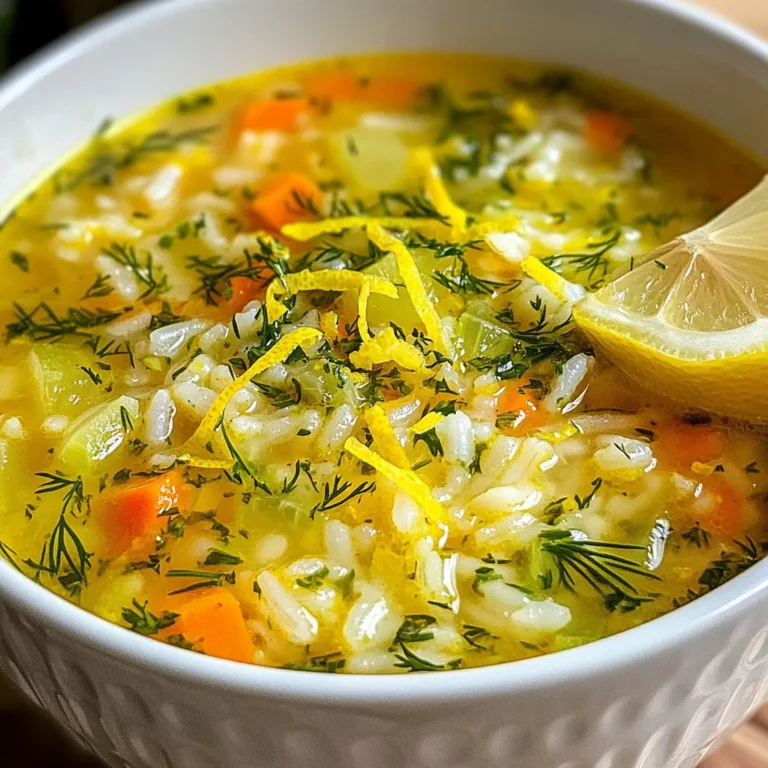
- 1 cup cooked white rice (preferably short grain for texture) - 4 cups chicken or vegetable broth (homemade for the best flavor) - 1 medium onion, finely chopped - 2 medium carrots, diced into small pieces - 2 celery stalks, diced into small pieces - 3 cloves garlic, minced - 2 large eggs, at room temperature - 1/4 cup fresh lemon juice (approximately from 2 lemons) - Zest of 1 lemon - 2 tablespoons extra virgin olive oil - Salt and freshly ground black pepper, to taste - Fresh dill or parsley, roughly chopped, for garnish For this soup, I recommend using short-grain rice. It gives a nice, creamy texture. Arborio rice works well too. For the broth, homemade chicken broth shines through with rich flavor. If you are vegetarian, choose a good-quality vegetable broth. This choice affects the taste greatly, so select what you love. Garnishing adds a lovely touch to the soup. I like to sprinkle fresh dill or parsley on top. It adds a pop of color and flavor. You might even try a few lemon slices for a bright look. Crushed red pepper can give some heat if you like spice. These simple touches elevate the dish and make it more inviting. {{ingredient_image_2}} To start making your Greek Lemon Rice Soup, gather your ingredients. You'll need cooked rice, broth, onion, carrots, celery, garlic, and olive oil. 1. Heat your olive oil in a large pot over medium heat. 2. Add the chopped onion, diced carrots, and celery to the pot. 3. Sauté these veggies for about 5-7 minutes. Cook until the onion is soft and clear. 4. Next, stir in the minced garlic and cook for one more minute. Be careful not to burn it. 5. Now, add the chicken or vegetable broth to the pot. 6. Turn up the heat slightly and let it simmer. Cook for about 10 minutes. The veggies should be tender but still have some crunch. 7. Finally, mix in the cooked rice. Make sure to spread it out well in the broth. Tempering the eggs is key to a smooth soup. This step prevents the eggs from scrambling when added. 1. In a separate bowl, whisk the two eggs until they are frothy. 2. Gradually add the fresh lemon juice and lemon zest. Keep mixing to combine well. 3. Now, take about one cup of the hot broth from your pot. 4. Slowly pour this broth into the egg mixture while whisking constantly. This warms the eggs gently. 5. Once mixed, slowly return the egg mixture back to the soup pot. 6. Stir continuously for about 1-2 minutes. This will create a nice creamy texture in your soup. Now, it’s time to add flavor and finish your soup. 1. Season the soup with salt and freshly ground black pepper. Taste and adjust as needed. 2. Once seasoned, remove the pot from heat. 3. Serve the soup hot in bowls. 4. For the final touch, sprinkle fresh dill or parsley on top. This adds bright color and flavor to your dish. To get the right texture in your Greek Lemon Rice Soup, focus on the rice. Use short-grain rice for a creamier soup. After cooking the rice, add it to the broth only when the veggies are tender. This helps keep the rice from getting too mushy. When you mix in the egg and lemon, do it slowly. This step makes the soup rich and smooth without scrambling the eggs. If you have soup left over, store it in an airtight container. Let it cool first to keep the texture. It will stay fresh in the fridge for about three days. For longer storage, freeze the soup. Just remember to leave out the egg mixture before freezing. Add it back when you reheat the soup. This keeps your soup creamy and tasty. One common mistake is cooking the rice too long in the soup. This can make it mushy and lose its bite. Also, don’t add the egg mixture too fast. If you pour it in too quickly, the eggs will scramble. Lastly, watch the seasoning. Add salt and pepper slowly, tasting as you go. This way, you can find the right balance for your soup. Pro Tips Use Homemade Broth: For the best flavor, opt for homemade chicken or vegetable broth. It enhances the soup's richness and depth, making it truly comforting. Egg Tempering Technique: Always temper the eggs by adding a bit of hot broth before mixing them into the soup. This prevents the eggs from curdling and ensures a smooth, creamy texture. Fresh Herbs for Flavor: Garnish each bowl with fresh dill or parsley. This not only adds a pop of color but also brightens the soup's flavor profile. Adjust Lemon to Taste: The amount of lemon juice can be tailored to your preference. Start with less and add more to achieve your desired level of brightness and acidity. {{image_4}} To make this soup vegetarian, just swap out the chicken broth for vegetable broth. This change keeps the flavor rich and full. You can also use tofu to add some protein. Simply cube it and add it to the pot when you add the rice. For a vegan version, skip the eggs. You can use a mix of cornstarch and water as a thickener instead. This keeps the soup creamy without using eggs. If you want to add more protein, try shredded chicken or cooked lentils. For shredded chicken, use rotisserie chicken for ease. Just stir it in when you add the rice. If you prefer lentils, use cooked green or brown lentils. They add texture and are very healthy. You can even use shrimp. Just add them in the last few minutes of cooking to keep them tender. During summer, add fresh zucchini or peas for a vibrant touch. You can toss them in right after the onion and garlic. In fall, try adding diced pumpkin or butternut squash. These will make your soup hearty and sweet. Don’t forget to add fresh herbs like basil or mint for a pop of flavor. They will brighten up the soup and make it even more delicious. You can freeze Greek lemon rice soup for later use. First, let the soup cool down completely. Then, pour it into airtight containers or freezer bags. Leave some space at the top for expansion. Label the containers with the date. This helps you remember when you stored it. You can freeze the soup for up to three months. When ready to use, thaw it overnight in the fridge. Greek lemon rice soup keeps well in the fridge. Store it in an airtight container. It stays fresh for about three to four days. Make sure to check for signs of spoilage before eating. Look for any changes in smell or texture. If anything seems off, it's best to discard it. When reheating, do it gently. Use a pot on low heat. Stir regularly to avoid sticking. Adding a little water or broth helps restore the right texture. Avoid boiling to keep the soup creamy and smooth. You can also reheat it in the microwave. Heat in short bursts, stirring in between. This ensures the soup warms evenly without losing its flavor. Yes, you can use gluten-free rice. Quinoa or cauliflower rice works great, too. These options provide a nice texture. Make sure to adjust cooking times for each. Quinoa cooks faster, while cauliflower rice needs less time to soften. You can use chicken or vegetable broth. Both add rich flavor. For a unique twist, try mushroom broth. This adds an earthy depth. You can also make your broth at home for the best taste. Just simmer bones or vegetables with herbs and water. Absolutely! This soup is perfect for meal prep. It keeps well in the fridge for up to three days. If you freeze it, store in airtight containers. Just remember to leave out the eggs until you reheat. This keeps the texture nice and creamy. Greek lemon rice soup is a delightful dish. You learned about key ingredients, clever cooking steps, and handy tips. We explored tasty variations, like vegetarian options and protein swaps. Storage details ensure your soup stays fresh, while FAQs addressed common concerns. Embrace this recipe for a warm meal anytime. Enjoy the flavors and creativity it brings to your table!

Greek Lemon Rice Soup Hearty and Flavorful Recipe

Read More Greek Lemon Rice Soup Hearty and Flavorful RecipeContinue

Page navigation

Previous PagePrevious 1 … 45 46 47 48 49 … 53 Next PageNext

Our Policys

  • Privacy Policy
  • Cookie Policy
  • Copyright Policy
  • GDPR Policy
  • Disclaimer
  • Terms Of Use

More Information

  • Home
  • About
  • Contact
  • Appetizer
  • Desserts
  • Dinner
  • Drinks

© 2026 dishtreats

  • Home
  • Dinner
  • Appetizer
  • Desserts
  • Drinks
  • About
  • Contact
  • Privacy Policy
Search