Creamy Mushroom Risotto Delightful and Simple Recipe
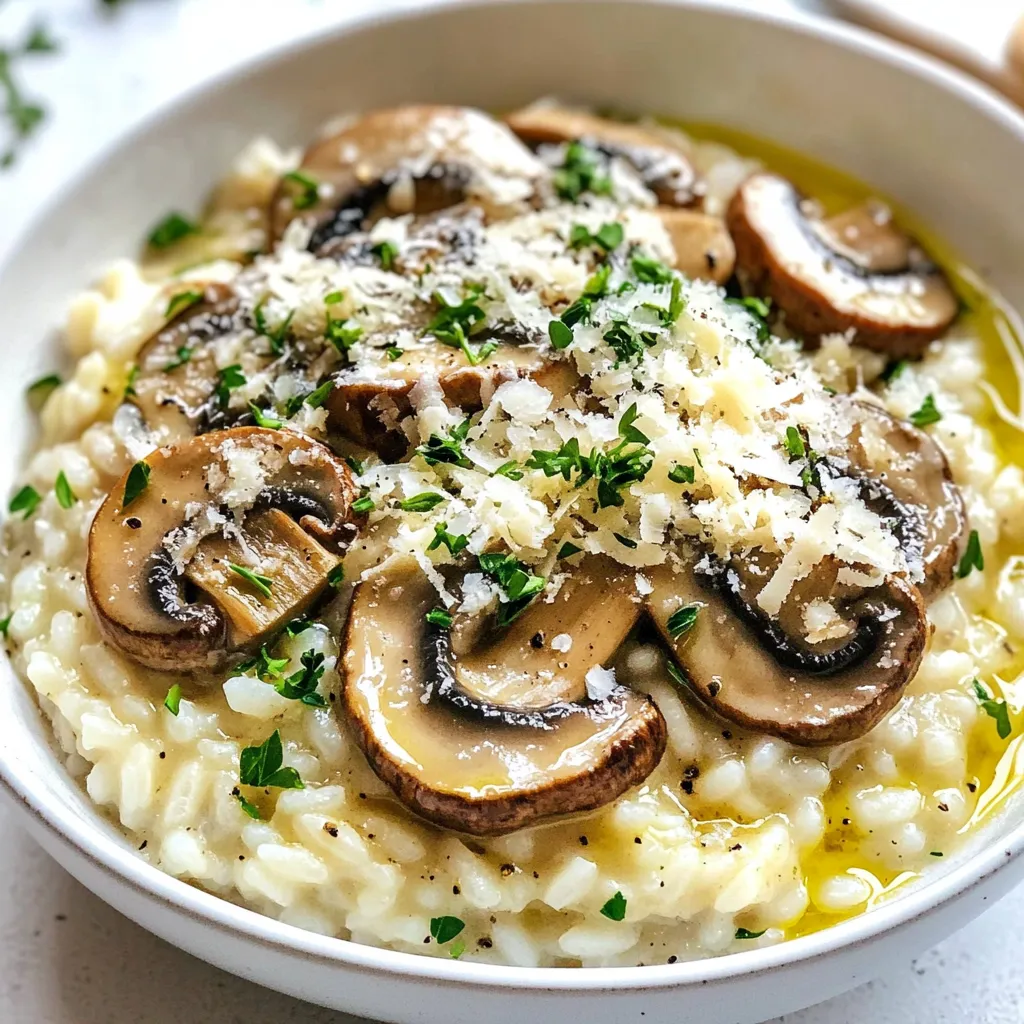

Looking for a delicious and simple dish that impresses without the fuss? My Creamy Mushroom Risotto is just what you need! With rich flavors from mixed mushrooms and creamy Parmesan, this recipe ticks all the boxes for comfort food. I’ll guide you through easy steps to achieve that perfect texture. Let’s dive into this mouthwatering adventure and transform your weeknight meals into something special!
Why I Love This Recipe
- Comforting Creaminess: This risotto offers a rich, creamy texture that feels like a warm hug in a bowl.
- Umami Explosion: The combination of mixed mushrooms adds deep, savory flavors that elevate this dish.
- Easy to Customize: Feel free to add your favorite herbs or vegetables to make it your own!
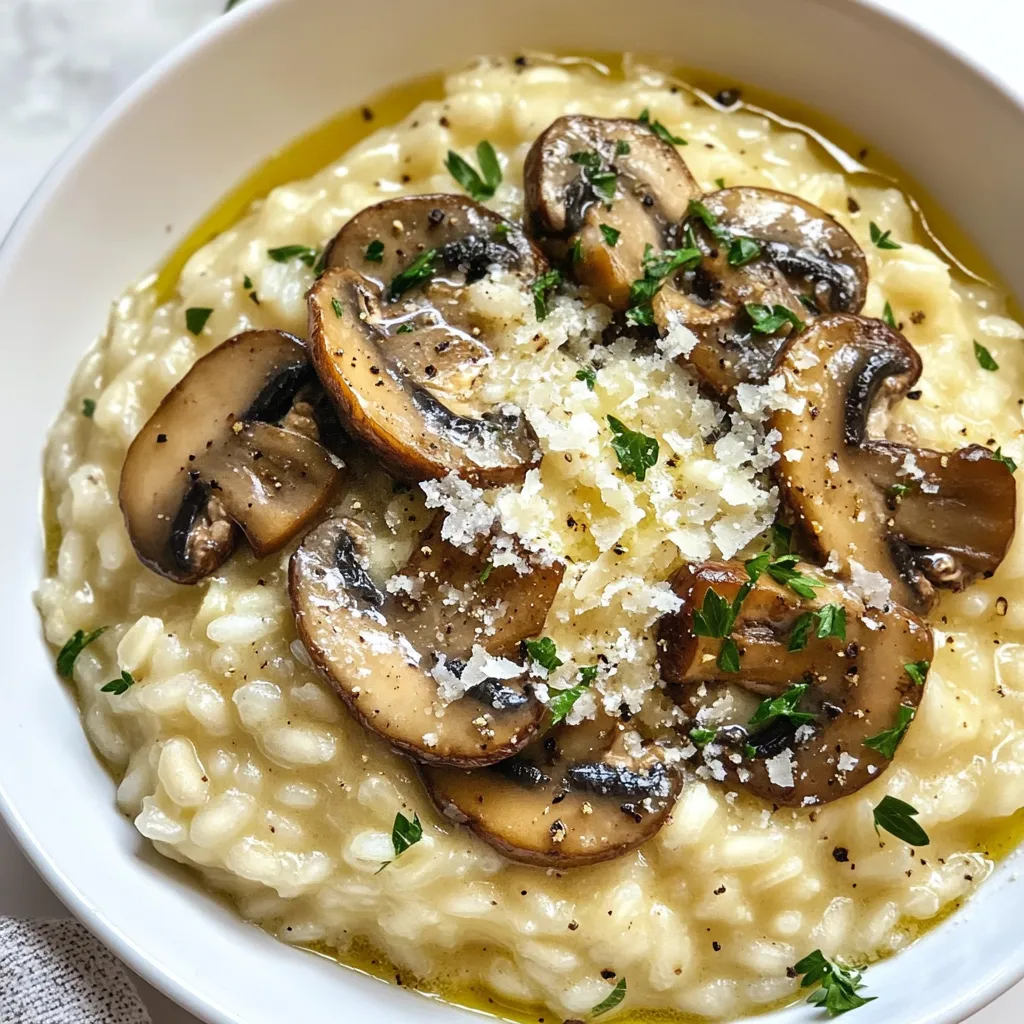
- Impressive Presentation: Garnishing with parmesan and parsley makes it look as good as it tastes!
Ingredients
Main Ingredients
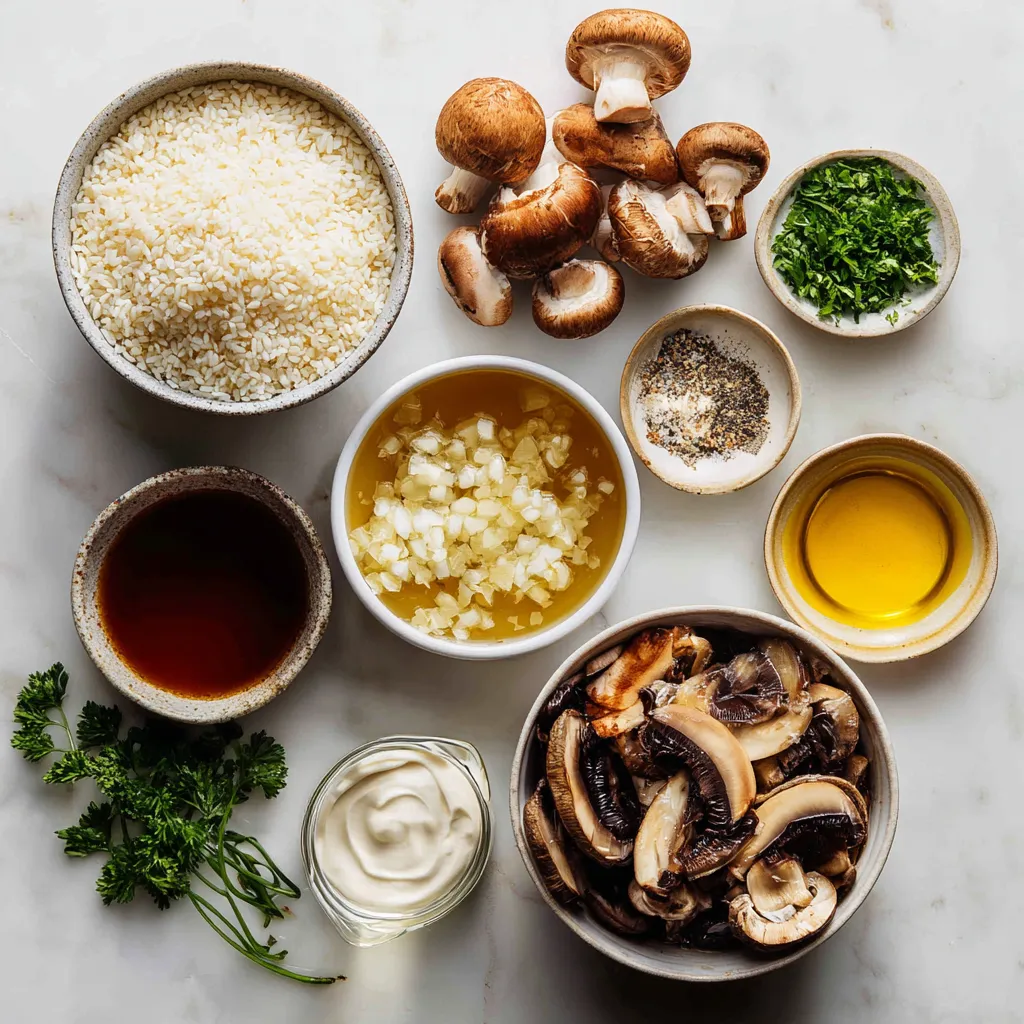
- 1 cup Arborio rice
- 1 cup mixed mushrooms (shiitake, cremini, and button), sliced
- 4 cups vegetable broth (plus extra, if needed)
Additional Ingredients
- 1 small onion, finely chopped
- 2 cloves garlic, minced
- 1/2 cup fresh parmesan cheese, finely grated
- 1/4 cup heavy cream
- 2 tablespoons extra virgin olive oil
- Sea salt and freshly ground black pepper, to taste
When cooking creamy mushroom risotto, it’s vital to use the right ingredients. Arborio rice is a must. Its starch gives risotto that creamy texture. Mixed mushrooms add depth and umami flavor. Shiitake brings earthiness, while cremini and button mushrooms add mildness.
Next, we need vegetable broth. It’s the base of our dish. Keeping it warm while cooking is key. This helps the rice cook evenly.
For the additional ingredients, onion and garlic lay the flavor foundation. They sauté well and give a sweet aroma. Parmesan cheese and heavy cream bring richness. They elevate the dish to a new level.
Extra virgin olive oil adds a touch of fruitiness to the mix. Sea salt and black pepper enhance all the flavors. Choosing fresh herbs like parsley for garnish also brightens the dish.
Gather these items before you start. It makes the cooking process smooth and fun!
Step-by-Step Instructions
Preparing the Broth
To start, heat your vegetable broth in a medium saucepan. Use medium heat and keep it warm, but do not let it boil. This helps the rice cook evenly. If the broth gets too cool, the risotto won’t be creamy.
Sautéing the Base
In a large skillet, pour in two tablespoons of olive oil. Heat it over medium heat. Add one finely chopped onion and cook for 3-4 minutes. Stir it often until it turns translucent. Next, add two minced garlic cloves. Sauté for one more minute until you smell its nice aroma. Then, toss in one cup of sliced mixed mushrooms. Cook them for about five minutes. They should be tender and golden brown. Season with a sprinkle of sea salt and black pepper to boost the flavor.
Making the Risotto
Once your mushrooms are ready, add one cup of Arborio rice to the skillet. Stir it for about two minutes. This step helps the rice soak up the flavors. Now, gradually pour in the warm vegetable broth, one ladle at a time. Stir often and only add more broth when most of the liquid is absorbed. Keep this up for 18-20 minutes. The rice should be al dente and creamy by now.
Final Touches
After the rice is cooked, take the skillet off the heat. Stir in 1/4 cup of heavy cream and 1/2 cup of finely grated parmesan cheese. Mix well until it is creamy. Taste your risotto and adjust the seasoning. Add more salt and pepper if needed. Let it sit for a few minutes to thicken before serving.
Tips & Tricks
Perfecting the Creaminess
To get that rich, creamy texture, stirring is key. You need to stir the rice often. This movement helps release the starches. Starch makes the risotto creamy. You want to keep the rice moving for even cooking.
When you add broth, timing matters. Always add it slowly, one ladle at a time. Wait until most of the liquid is gone before adding more. This lets the rice absorb the flavors well. Keep the broth warm, but don’t let it boil.
Enhancing Flavor
To boost the taste, use fresh herbs. I love adding thyme or rosemary. They pair well with mushrooms. For seasoning, a pinch of sea salt and black pepper work great.
Choosing cheese is important too. Fresh parmesan adds a nice touch. Grate it finely for better mixing. If you want a different flavor, try pecorino cheese.
Cooking Equipment
The right pan makes a big difference. Use a wide, heavy-bottomed skillet. This helps the rice cook evenly. A non-stick pan can also help prevent sticking.
For even cooking, keep your heat steady. Medium heat works best. If the risotto cooks too fast, it may burn. Stirring often will also help with even cooking.
Pro Tips
- Use Fresh Mushrooms: Opt for fresh mushrooms rather than canned for a more robust flavor and better texture.
- Stir Constantly: Keep stirring the risotto as you add the broth; this helps release the starch from the rice, making it creamier.
- Adjust Liquid Gradually: Add the broth gradually and allow the rice to absorb it fully before adding more for optimal cooking.
- Finish with Butter: For an extra layer of richness, stir in a tablespoon of butter just before serving.
Variations
Mushroom Variations
You can try many types of mushrooms in this dish. Shiitake, cremini, and button mushrooms work well together. Each type brings unique flavors and textures. You might also explore using portobello or oyster mushrooms. They add great depth to your risotto. If you want, throw in seasonal vegetables too. Spinach, peas, or asparagus brighten the dish. Just add them in the last few minutes of cooking.
Ingredient Substitutions
Not everyone can use cream or cheese. If you want a lighter option, use cashew cream. Blend soaked cashews with water for a creamy touch. Nutritional yeast can replace parmesan for a cheesy flavor. If you prefer vegan risotto, use vegetable broth and skip the cheese. This way, you keep all the flavors but make it plant-based.
Flavor Add-Ins
Herbs and spices can change the taste of your risotto. Try adding thyme or rosemary for a fresh kick. A pinch of nutmeg can add warmth too. For protein, consider adding cooked chicken, shrimp, or even lentils. These options make your dish more filling and nutritious. Mix and match to find your favorite flavors!
Storage Info
Refrigerating Risotto
Store leftover risotto in an airtight container. Let it cool first. This helps keep it fresh. Use glass or plastic containers that seal tightly. A good seal prevents air from getting in.
Reheating Tips
To reheat, use the stove, microwave, or oven. If using the stove, add a splash of broth. Stir often to keep it creamy. For the microwave, heat in short bursts. This helps you avoid overcooking. Always check if it’s hot all the way through.
Freezing Risotto
To freeze risotto, cool it completely first. Then, put it in freezer-safe bags. Remove as much air as you can. This helps prevent freezer burn. For thawing, place it in the fridge overnight. Reheat on the stove with a bit of broth to restore creaminess.
FAQs
What is the best rice for risotto?
The best rice for risotto is Arborio rice. This rice has high starch content. It becomes creamy when cooked, making your dish rich and smooth. Arborio rice absorbs flavors well. It cooks evenly, giving you the perfect texture. You can find it in most grocery stores. Always choose good quality rice for the best results.
Can I make risotto ahead of time?
Yes, you can make risotto ahead of time. Cook it fully, then cool it down quickly. Store it in an airtight container in the fridge. When you are ready to eat, reheat the risotto gently. Add a little broth or cream to bring back the creaminess. Stir it well to heat evenly. This way, you save time and still enjoy a warm meal.
How can I adjust the recipe for dietary restrictions?
You can easily adjust this recipe for dietary restrictions. For a gluten-free version, ensure your broth is gluten-free. For vegan risotto, skip the cheese and cream. Use plant-based cheese or nutritional yeast for a cheesy flavor. Coconut cream can be a great dairy-free option. These changes keep the dish tasty and enjoyable for everyone.
What to serve with creamy mushroom risotto?
Creamy mushroom risotto pairs well with many side dishes. A simple green salad adds freshness. Grilled vegetables bring a nice crunch. You can also serve it with garlic bread for a comforting meal. A light soup complements the risotto well. Consider serving a glass of white wine for a special touch. These sides enhance the experience and make a full meal.
This article covered how to make a creamy mushroom risotto. We discussed key ingredients like Arborio rice, mixed mushrooms, and broth. I shared step-by-step instructions to guide you through cooking the risotto, enhancing its flavor, and perfecting the texture.
Finally, I offered tips on variations and storage. With these insights, you can create a risotto that suits your tastes and can be enjoyed fresh or reheated later. Happy cookin
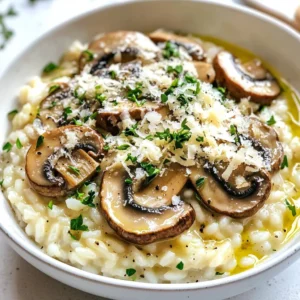
Luxurious Creamy Mushroom Risotto
Ingredients
- 1 cup Arborio rice
- 4 cups vegetable broth
- 1 cup mixed mushrooms (shiitake, cremini, and button), sliced
- 1 small onion, finely chopped
- 2 cloves garlic, minced
- 0.5 cup fresh parmesan cheese, finely grated
- 0.25 cup heavy cream
- 2 tablespoons extra virgin olive oil
- to taste sea salt
- to taste freshly ground black pepper
- for garnish fresh parsley, finely chopped
Instructions
- In a medium saucepan, gently heat the vegetable broth over medium heat. Keep it warm but avoid boiling to ensure the rice cooks evenly.
- Meanwhile, in a large skillet, pour in the olive oil and heat over medium heat. Add the finely chopped onion and sauté for about 3-4 minutes, stirring occasionally until it becomes translucent.
- Quickly add the minced garlic to the skillet and sauté for an additional minute until it releases its fragrant aroma.
- Introduce the sliced mushrooms to the skillet, cooking them down for about 5 minutes until they're tender and have turned a lovely golden brown. Season with a sprinkle of sea salt and a dash of black pepper to enhance their flavor.
- Once the mushrooms are beautifully cooked, add the Arborio rice to the skillet. Stir continuously for about 2 minutes, allowing the rice to lightly toast, absorbing the mushroom and onion flavors.
- Gradually pour in the warm vegetable broth, one ladle at a time, stirring frequently. Only add the next ladleful once most of the liquid has been absorbed. Repeat this process for approximately 18-20 minutes or until the rice is al dente and has a creamy consistency.
- Once the rice is perfectly cooked, remove the skillet from heat. Stir in the heavy cream and finely grated parmesan cheese until thoroughly combined. Taste and adjust the seasoning with additional salt and pepper, if desired.
- Allow the risotto to sit for a couple of minutes to thicken slightly before serving.

![- 8 oz. spaghetti or pasta of your choice - 1 cup cherry tomatoes, halved - 1 cup zucchini, sliced into half-moons - 1 cup mixed bell peppers, sliced - 1 cup broccoli florets - 1 cup fresh spinach - 2 tablespoons extra virgin olive oil - 3 cloves garlic, finely minced - Zest and juice from 1 medium-sized lemon - 1 teaspoon dried oregano - Salt and freshly ground black pepper, to taste - Fresh basil leaves and grated Parmesan cheese (optional) When I craft my Pasta Primavera, I focus on fresh and vibrant veggies. The cherry tomatoes burst with flavor, giving a sweet touch. Zucchini adds a nice crunch, while bell peppers bring color. Broccoli florets add a delightful bite, and fresh spinach wilts perfectly into the mix. I love using extra virgin olive oil for its rich taste. Garlic gives it a fragrant kick. The zest and juice of the lemon brighten the dish and enhance all the flavors. Dried oregano is my go-to herb here, adding warmth and depth. A pinch of salt and pepper brings it all together. For a finishing touch, I often sprinkle fresh basil on top. You can also add grated Parmesan cheese for creaminess. This recipe is simple yet packed with flavor, perfect for any meal. To see the full recipe, check out the details above. - Fill a large pot with salted water. - Bring to a boil and cook pasta until al dente. - Reserve pasta water and drain. To cook the pasta, I fill a big pot with water and add a good amount of salt. This helps to flavor the pasta. Once the water boils, I add my spaghetti or whatever pasta I choose. I cook it until it is al dente, which means it is firm but cooked. Before draining, I set aside about one cup of the pasta water. This water is full of starch and will help make my sauce creamy later. - Heat olive oil in a skillet. - Sauté minced garlic for fragrance. - Add broccoli and mixed bell peppers, sauté for 3-4 minutes. Next, I heat some olive oil in a large skillet over medium heat. Once the oil is hot, I add minced garlic and sauté it for about 30 seconds. The smell is amazing! I have to be careful not to burn it. After that, I toss in the broccoli and mixed bell peppers. I sauté these for 3-4 minutes until they soften a bit but still have some crunch. - Incorporate zucchini and cherry tomatoes. - Add reserved pasta water and seasonings. - Let simmer to create sauce. Now, I add my zucchini and cherry tomatoes to the skillet. I stir everything for about three minutes. The tomatoes will start to release their juices, making the dish juicy. I then pour in the reserved pasta water, followed by the lemon juice and zest, and dried oregano. This creates a light sauce. I let it simmer for two minutes to blend the flavors. - Add drained pasta and fresh spinach. - Toss until well mixed. - Season to taste and plate with garnishes. Finally, I gently add the drained pasta to the skillet along with fresh spinach. I toss everything well so the pasta gets coated in the sauce. The heat wilts the spinach just right. I taste the dish and season it with salt and black pepper. To serve, I plate the pasta in deep bowls and garnish with fresh basil and a sprinkle of Parmesan cheese if I want. This dish looks and tastes great. You can find the full recipe for this delightful dish to enjoy! To achieve al dente pasta, you need to watch the clock. Start checking your pasta a minute before the package time. It should be firm but not hard. The texture is key! Reserving pasta water is a must. Always save about one cup before you drain it. This water is starchy and helps create a silky sauce later. It can make your dish creamy without adding heavy cream. To boost flavor, think about adding fresh herbs like parsley or thyme. You can also sprinkle in some red pepper flakes for heat. These add extra layers of taste and excitement. When sautéing vegetables, keep the heat high but don’t overcook them. Stir them quickly to keep their crunch. A short cooking time keeps veggies bright and fresh. For a beautiful presentation, use deep bowls for serving. This allows the colors to pop. A splash of lemon zest on top adds brightness, too. Garnishing can elevate your dish. Scatter fresh basil leaves over the top. A sprinkle of grated Parmesan cheese adds a nice touch. It makes your dish look like it came from a restaurant! For the full recipe, check out the detailed instructions above. Enjoy your cooking adventure! {{image_4}} You can change up the veggies in your Pasta Primavera with Lemon. Seasonal veggies work best. Try using asparagus, snap peas, or carrots. These will add color and flavor. If fresh veggies aren't available, frozen ones are a great option too. Just remember to thaw them and drain any excess water before cooking. This keeps your dish from getting soggy. Want to make your Pasta Primavera heartier? You can add protein! Chicken, shrimp, or tofu are great choices. If you use chicken, cook it in the skillet first, and then add the veggies. For shrimp, toss them in when the veggies are almost done. They only need a few minutes to cook. If you prefer tofu, press it to remove moisture, then cube and sauté until golden before adding it to the mix. Pasta Primavera is very flexible with pasta types. You can choose gluten-free pasta if you need it. Options like brown rice or quinoa pasta work well. Whole grain pasta is another healthy choice, adding fiber to your meal. If you want something unique, try legume-based pasta made from lentils or chickpeas. These add a nice twist and extra protein. For the full recipe, check out the [Full Recipe]. To keep your Pasta Primavera fresh, refrigerate it right after cooling. Place it in airtight containers. This helps lock in flavors and keeps it safe to eat. Always store leftovers within two hours of cooking. The pasta will taste great for up to three days in the fridge. When you reheat your pasta, use a stove or microwave. For the stove, add a splash of water or olive oil. Stir gently to heat evenly. If using a microwave, cover it to keep moisture in. Avoid overheating to prevent soggy pasta. Heat just until warm. To freeze Pasta Primavera, let it cool first. Transfer it to freezer-safe containers, leaving space for expansion. This dish can be frozen for up to three months. When ready to eat, thaw it overnight in the fridge. Reheat it on the stove or microwave, adding a bit of water to help it steam. Enjoy your flavorful veggie delight later! For the full recipe, check out the details above. Pasta Primavera lasts about 3 to 5 days in the fridge. To keep it fresh, store it in an airtight container. It’s best to let the pasta cool before sealing. This helps prevent moisture buildup, which can make it soggy. Yes, you can make Pasta Primavera ahead of time. To prepare, cook the pasta and veggies as usual. Let everything cool completely before storing. When you are ready to eat, just reheat it in a skillet over low heat. Add a splash of water or extra olive oil to keep it moist. If you need a lemon substitute, try lime juice or vinegar. Use the same amount, about 2 tablespoons. You can also use orange juice for a sweeter flavor. Adjust to your taste, as different fruits can change the dish's profile. Pasta Primavera is healthy and full of nutrients. It has lots of veggies like broccoli, spinach, and bell peppers. These provide vitamins and fiber. The olive oil adds healthy fats. Overall, this dish is low in calories and high in flavor, making it a great choice. Pasta Primavera is a simple and tasty dish. We discussed the essential ingredients, like pasta, fresh vegetables, and seasonings. I shared step-by-step instructions for cooking and combining ingredients. You can enhance flavors with herbs and spices while following tips for perfect presentation. Consider variations with protein and different pasta types for more options. Lastly, I covered storage and reheating to keep leftovers fresh. This dish is not only delicious but also healthy, making it a great meal for everyone. Enjoy experimenting with it!](https://dishtreats.com/wp-content/uploads/2025/05/1202f33f-9285-4746-af91-946a78d77e80-768x768.webp)