
Coconut Lime Chicken Soup Flavorful and Refreshing Dish


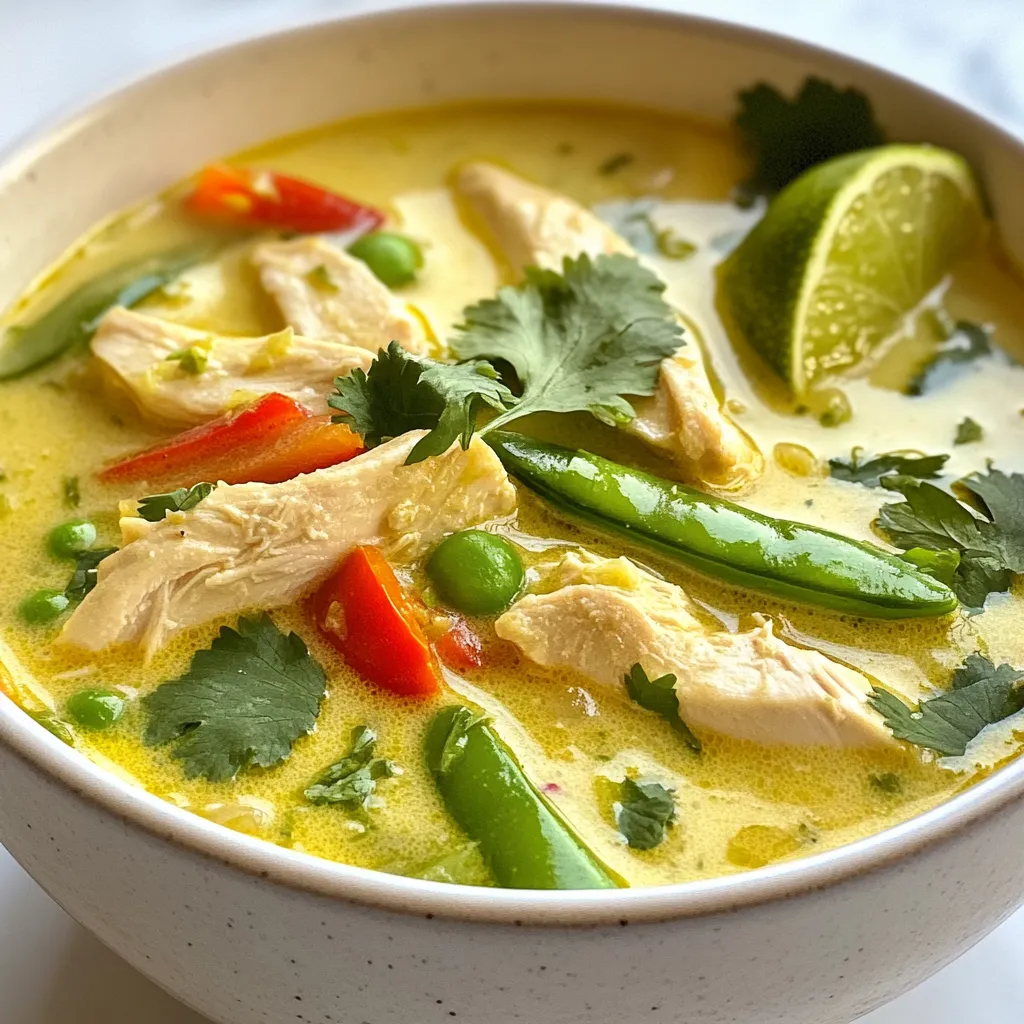
Welcome to a burst of flavor with my Coconut Lime Chicken Soup! This dish offers a refreshing twist perfect for any meal. With tender chicken, creamy coconut milk, and zesty lime, each spoonful warms your soul. I’ll guide you through easy steps, tips, and even tasty variations. Ready to dive into a bowl of deliciousness? Let’s create a comforting meal you’ll love!
Why I Love This Recipe
- Flavor Explosion: This soup combines the creaminess of coconut milk with the bright zest of lime, creating a refreshing and satisfying flavor profile.
- Quick and Easy: With a total time of just 35 minutes, this recipe is perfect for busy weeknights when you want something delicious without spending hours in the kitchen.
- Versatile Ingredients: This recipe allows you to customize the vegetables based on what you have on hand, making it a flexible option for any season.
- Healthy and Wholesome: Packed with lean protein from the chicken and vibrant vegetables, this soup is nutritious without sacrificing flavor.
Ingredients
Main Ingredients
- 1 pound boneless, skinless chicken breasts, cut into bite-sized pieces
- 1 can (13.5 oz) creamy coconut milk
- 4 cups rich chicken broth
- 1 cup mushrooms, sliced into thin pieces
- 1 red bell pepper, julienned
- 1 cup fresh snap peas, trimmed
- 2 cloves garlic, finely minced
- 1 tablespoon fresh ginger, minced
- 2 tablespoons fish sauce (or soy sauce for a vegetarian-friendly option)
- Juice and zest of 2 juicy limes
- Salt and freshly ground black pepper to taste
- 2 tablespoons vegetable oil for cooking
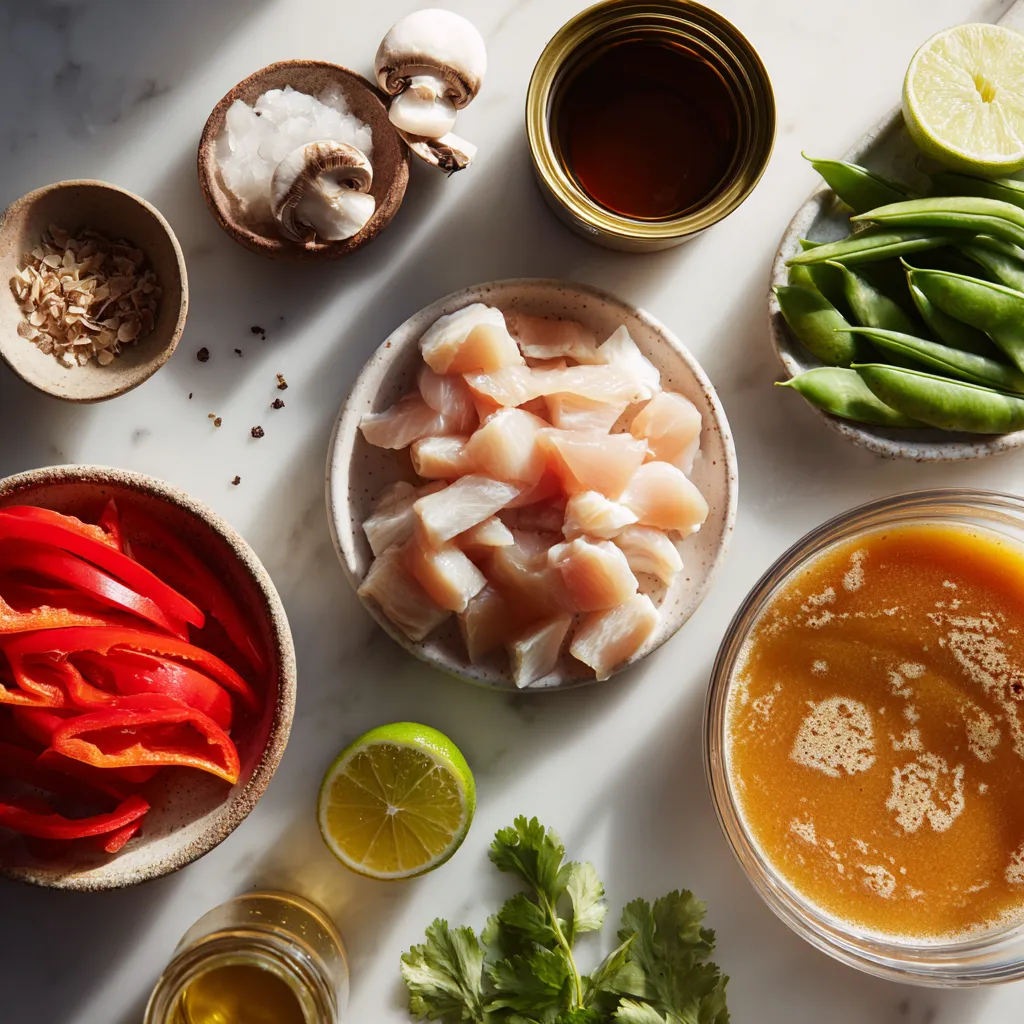
I love using fresh ingredients when making Coconut Lime Chicken Soup. The chicken gives the soup protein and heartiness. Coconut milk adds creaminess and a slight sweetness. In this soup, the broth ties everything together, making each bite rich and flavorful. The mushrooms and red bell pepper add texture and color, while snap peas bring a nice crunch. Garlic and ginger kick up the taste, adding warmth and depth. Lastly, lime juice and zest brighten the dish, giving it a refreshing twist.
Optional Garnishes
- Fresh cilantro, chopped, for garnish
- Lime wedges
Garnishes are not just decor; they boost flavor too. Fresh cilantro adds a pop of herbal taste. Lime wedges let you add more zing when serving. I always recommend adding these to make each bowl even better.
Cooking Essentials
- 2 tablespoons vegetable oil for cooking
- A large, heavy-bottomed pot
To cook this soup, you need a sturdy pot. It helps to keep the heat even. Vegetable oil is key for sautéing the chicken and aromatics. It helps build layers of flavor that make this soup so good.
Step-by-Step Instructions
Preparing the Chicken
- Sautéing the Chicken
Start by heating 2 tablespoons of vegetable oil in a large pot over medium-high heat. Once hot, add 1 pound of cut chicken. Make sure to season it well with salt and black pepper. Cook for 5 to 7 minutes, stirring often, until the chicken is golden and cooked through.
- Removing from Pot
After cooking, carefully take out the chicken and set it on a plate. It should look nicely browned. This step helps keep the chicken juicy for later.
Cooking the Aromatics
- Sautéing Garlic and Ginger
In the same pot, lower the heat a bit. Add 2 cloves of minced garlic and 1 tablespoon of minced ginger. Sauté for about 1 minute, stirring all the time. You want to see them turn golden and smell amazing.
- Adding Vegetables
Next, toss in 1 cup of sliced mushrooms, 1 julienned red bell pepper, and 1 cup of fresh snap peas. Cook this mix for about 3 to 4 minutes. Stir often until the veggies soften but still stay crisp.
Combining Flavors
- Adding Broth and Coconut Milk
Now it’s time to pour in 4 cups of rich chicken broth and 1 can of creamy coconut milk. Stir in 2 tablespoons of fish sauce, or soy sauce if you prefer. Squeeze in the juice from 2 limes and add the lime zest. Let this simmer gently. This blending of flavors is key to your soup.
- Finishing with Chicken
After simmering, return the chicken to the pot. Stir it in well. Allow it to simmer for another 10 to 15 minutes. Taste your soup and add salt and pepper if needed. This final simmer helps everything meld together for a delicious meal.
Tips & Tricks
Perfecting the Flavor
Seasoning Adjustments
Start with salt and pepper to taste. Add more if needed. Fish sauce adds depth. Use soy sauce for a vegetarian twist. Lime juice brightens the dish. Taste as you go to find the right balance.
Balancing Coconut and Lime
Coconut milk gives creaminess. Lime adds zest and brightness. Use the zest for extra flavor. Adjust lime juice based on your taste. Too much can overpower the soup. Aim for a nice harmony between sweet and tart.
Cooking Techniques
Sautéing vs. Boiling
Sautéing the chicken first gives it a nice browning. This adds flavor to the soup. Boiling can cook the chicken but lacks depth. Sautéing keeps it juicy and tender. Use medium-high heat for best results.
Maintaining Vegetable Crispness
Add vegetables after garlic and ginger. Cook for just a few minutes. This keeps them bright and crunchy. Overcooking makes them mushy. Aim for a nice bite in every spoonful.
Serving Suggestions
Presentation Ideas
Serve the soup in colorful bowls. A lime wedge on the side adds flair. Fresh cilantro on top looks beautiful. Consider adding sliced chili for color and spice.
Ideal Accompaniments
Pair with rice or crusty bread. These sides soak up the rich broth. A simple salad balances the meal. Enjoy your soup with friends for a fun gathering.
Pro Tips
- Use Fresh Ingredients: For the best flavor, opt for fresh produce and herbs. Fresh cilantro and lime will elevate the soup’s taste significantly.
- Adjust the Heat: If you like your soup spicy, consider adding sliced jalapeños or a dash of chili flakes when cooking the vegetables.
- Customize Your Protein: Feel free to substitute the chicken with shrimp or tofu for a different flavor profile. Adjust the cooking time accordingly.
- Make It Ahead: This soup can be made in advance and stored in the fridge for up to 3 days. Reheat gently on the stove, adding a splash of broth if needed.
Variations
Vegetarian Option
You can make this Coconut Lime Chicken Soup vegetarian by using tofu instead of chicken. Tofu absorbs flavors well and adds a nice texture. Use firm tofu for the best results. Cut it into bite-sized cubes. Sauté the tofu until golden for added flavor. Then, follow the same cooking steps as with chicken. The soup will still be rich and tasty!
Flavor Infusions
To add more depth to your soup, consider adding spices. Curry powder brings warmth, while chili can add heat. Start with a small amount and adjust to your taste. You can also experiment with different vegetables. Try adding carrots or zucchini for extra crunch and nutrients. The key is to keep your veggies fresh and colorful.
Dietary Adaptations
If you need gluten-free options, use gluten-free soy sauce. This keeps the flavor while making it safe for those with gluten allergies. For dairy-free needs, this recipe is already perfect with coconut milk. It gives a creamy texture without any dairy. Feel free to adjust the broth or add more lime juice for flavor.
Storage Info
Storing Leftovers
To keep your Coconut Lime Chicken Soup fresh, store it in an airtight container. Place it in the fridge within two hours of cooking. Use this method:
- Refrigeration Tips:
- The soup stays good for 3 to 4 days.
- Make sure it cools down before sealing it.
- Freezing Instructions:
- You can freeze the soup for up to 3 months.
- Use freezer-safe containers or bags.
- Leave some space at the top for expansion as it freezes.
Reheating Methods
Reheating your soup is easy, but you want to keep the flavors intact. Here are some tips:
- Best Practices for Retaining Flavor:
- Heat gently over low heat on the stove. This helps keep the soup creamy.
- Stir often to avoid sticking.
- Microwave vs. Stovetop:
- If you’re short on time, use the microwave.
- Heat in short bursts, stirring in between to heat evenly.
Shelf Life
Knowing how long your soup lasts is key for freshness. Check out this timeline:
- General Timeline for Freshness:
- In the fridge: 3 to 4 days.
- In the freezer: up to 3 months.
- Always check for signs of spoilage before eating.
FAQs
What can I substitute for chicken in this recipe?
You can use tofu or tempeh as a chicken substitute. These options soak up flavor well. You can also use chickpeas for a protein boost. Just cook them until warm and soft. They add a nice texture to the soup.
How can I make this soup spicier?
To spice up your soup, add sliced jalapeños or red pepper flakes. You can also mix in some sriracha or chili paste. Start with a little and taste as you go. This way, you control the heat to your liking.
Can I use light coconut milk instead of creamy?
Yes, you can use light coconut milk for a lower-fat option. However, it will change the soup’s creaminess. You may want to add a little more broth. This keeps the flavors balanced while still being light.
What are some side dishes that pair well with Coconut Lime Chicken Soup?
Some great side dishes include rice or crusty bread. A fresh salad can also add a nice crunch. You could try a mango salsa for a sweet touch. These sides help complete your meal and enhance the flavors.
Is this soup good for meal prep?
Yes, this soup is perfect for meal prep! It stores well in the fridge for about three days. You can also freeze it for up to a month. Just reheat it slowly on the stove for the best flavor.
This blog post covered how to make Coconut Lime Chicken Soup. We explored key ingredients like chicken, coconut milk, and various vegetables. I shared step-by-step cooking instructions and tips to boost flavor and presentation. You can try variations like tofu for a vegetarian meal or adjust spices to fit your taste. Finally, I provided storage and reheating advice to keep your soup fresh. Enjoying this dish will be easy with all the details shared here. Your kitchen adventure await

Coconut Lime Chicken Soup
Ingredients
- 1 pound boneless, skinless chicken breasts, cut into bite-sized pieces
- 1 can creamy coconut milk (13.5 oz)
- 4 cups rich chicken broth
- 1 cup mushrooms, sliced into thin pieces
- 1 whole red bell pepper, julienned
- 1 cup fresh snap peas, trimmed
- 2 cloves garlic, finely minced
- 1 tablespoon fresh ginger, minced
- 2 tablespoons fish sauce (or soy sauce for a vegetarian-friendly option)
- 2 whole juicy limes, juice and zest
- to taste salt and freshly ground black pepper
- 2 tablespoons vegetable oil for cooking
- for garnish fresh cilantro, chopped
Instructions
- In a large, heavy-bottomed pot, heat the vegetable oil over medium-high heat. Once hot, add the diced chicken pieces and season generously with salt and freshly ground black pepper. Sauté until the chicken is browned and cooked through, approximately 5-7 minutes. Once done, remove the chicken from the pot and set it aside on a plate.
- In the same pot, reduce the heat slightly and add the minced garlic and ginger. Sauté for about 1 minute, stirring constantly, until they become fragrant and golden.
- Next, add the sliced mushrooms, julienned red bell pepper, and fresh snap peas to the pot. Cook the mixture for another 3-4 minutes, stirring occasionally, until the vegetables start to soften but still retain some crispness.
- Pour in the chicken broth and creamy coconut milk. Stir in the fish sauce (or soy sauce), the juice from the limes, and the lime zest. Bring the concoction to a gentle simmer, allowing the flavors to harmonize beautifully.
- Return the previously cooked chicken to the pot, stirring to combine. Continue simmering for an additional 10-15 minutes, during which the flavors will meld together. Taste and adjust the seasoning with additional salt and pepper if desired.
- Serve the soup piping hot, generously garnished with fresh chopped cilantro leaves, which will add a refreshing burst of flavor to each bowl.

![- 2 boneless, skinless chicken breasts, sliced into thin strips - 2 tablespoons honey - 4 cloves garlic, minced - 2 tablespoons low-sodium soy sauce - 1 tablespoon sesame oil - 1 red bell pepper, thinly sliced - 1 cup broccoli florets - 1 cup snap peas - 1 carrot, julienned - 2 tablespoons vegetable oil - Salt and pepper to taste I love using fresh chicken for this dish. It cooks well and tastes great. Honey adds a sweet touch, while garlic gives it a nice punch. You can pick any colorful veggies you like. I usually choose bell peppers, broccoli, and snap peas for their crunch. - Sesame seeds - Sliced green onions Garnishes make your meal pop! Sesame seeds add a nutty flavor. Green onions give a fresh, sharp taste. They make the dish look fancy, too. - Skillet or wok - Mixing bowl - Whisk A large skillet or wok is best for stir-frying. It helps cook everything quickly and evenly. You’ll also need a mixing bowl for the sauce. A whisk is handy to mix your sauce smoothly. For the full recipe and cooking instructions, check the [Full Recipe]. - How to prepare the sauce To make the sauce, grab a small mixing bowl. Add 2 tablespoons of honey and 4 minced garlic cloves. Pour in 2 tablespoons of low-sodium soy sauce and 1 tablespoon of sesame oil. Whisk these ingredients well until they blend smoothly. This sauce will be full of flavor! - How to season the chicken Take 2 sliced chicken breasts and place them in a bowl. Lightly sprinkle salt and pepper over the chicken. Toss it gently to coat every piece evenly. This step is key to making sure your chicken tastes great. - Cooking the chicken Heat a large skillet or wok over medium-high heat. Add 1 tablespoon of vegetable oil. Once the oil shimmers, add the seasoned chicken strips. Cook them for about 5-7 minutes. Look for a golden color and make sure they are cooked all the way through. Remove the chicken and set it aside on a plate. - Stir-frying the vegetables In the same skillet, add another tablespoon of vegetable oil. Throw in the sliced red bell pepper, 1 cup of broccoli florets, 1 cup of snap peas, and 1 julienned carrot. Stir-fry these vegetables for 3-4 minutes. You want them to stay vibrant and crisp-tender. - Combining and flavoring the dish Now, return the cooked chicken to the skillet. Pour the honey garlic sauce over everything. Stir it well to coat all the chicken and vegetables. Cook for an extra 2-3 minutes. This allows the sauce to thicken and stick to your meal. - How to garnish and serve Once done, take the skillet off the heat. Sprinkle sesame seeds and sliced green onions over the stir fry. This adds a nice crunch and fresh flavor. For an appealing look, serve it in shallow bowls on a bed of rice or noodles. Enjoy your tasty Honey Garlic Chicken Stir Fry! Check the Full Recipe for more details! For the best stir-fry, set your heat to medium-high. This helps to cook the chicken fast and keep it juicy. When cooking, work in batches if your pan is small. This way, the chicken won’t steam. To get crisp veggies, don’t overcrowd the pan. Just like the chicken, cook the veggies fast. Stir them often, about three to four minutes will do. Add some red pepper flakes for a spicy kick. You can also try fresh ginger for a nice zing. Balancing sweet and savory is key. If it’s too sweet, add a dash more soy sauce. Taste as you go to find the perfect mix. Serve your stir fry in shallow bowls. Place it on a bed of rice or noodles for a great look. Top with extra sesame seeds and sliced green onions. A lime wedge on the side adds color and flavor! {{image_4}} You can switch the chicken for other proteins. Tofu works great for a vegetarian dish. Just press and cube the tofu, then cook it like the chicken. Shrimp is another tasty option. It cooks fast and adds a nice flavor. Feel free to mix up the veggies. Bell peppers, zucchini, and green beans all taste amazing. Seasonal flavors add fun too! Use fresh corn in summer or squash in fall. These choices bring color and taste to your meal. You can change the sauce to fit your taste. If you want less sweetness, use less honey. To make it salty, add more soy sauce. Want some heat? Toss in red chili flakes or chopped peppers. This will spice up your stir fry and make it unique. To store your honey garlic chicken stir fry, cool it down first. Place the leftovers in an airtight container. This helps keep out air and moisture. I recommend using glass or BPA-free plastic containers. They are safe and durable. Make sure to refrigerate within two hours of cooking. This keeps the dish fresh and safe to eat. Yes, you can freeze honey garlic chicken stir fry! It freezes well and saves time for future meals. To freeze, use a freezer-safe container or a zip-top bag. Remove as much air as possible before sealing. For best results, eat it within three months. When you're ready to eat, thaw it in the fridge overnight. Reheat it in a skillet over medium heat until hot. This keeps the chicken and veggies tender. Leftovers will last about three to four days in the fridge. Always check for signs of spoilage before eating. If it smells off or has a strange color, it’s best to toss it. You'll want to avoid any food safety risks. Remember, good storage means enjoying your tasty meal later! To cut the sweetness, reduce the honey. Use one tablespoon instead of two. You can also add more soy sauce to balance the flavor. Adding a splash of rice vinegar or lime juice helps too. These add tang without making it too sweet. You can also use low-sugar honey or a sugar-free sweetener. Yes, you can prepare the chicken and veggies ahead of time. Slice the chicken and chop the vegetables. Store them in the fridge until you're ready to cook. You can also mix the sauce in advance. Just keep it in a sealed container. When you are ready to eat, cook it all together for a quick meal. Some good side dishes include: - Steamed rice - Fried rice - Noodles - Quinoa - A fresh green salad These sides add more texture and flavor to your meal. They also help soak up the tasty sauce. - Full Recipe: Detailed cooking instructions for easy reference. In this blog post, we explored the key ingredients and cooking steps for honey garlic chicken stir fry. We covered how to prepare the sauce, cook the chicken, and stir-fry the veggies. I shared useful tips on enhancing flavors and balancing taste. Plus, we discussed variations and storage methods for your leftovers. Cooking can be fun and rewarding. With these skills, you can create tasty meals. Enjoy trying new ingredients and discovering your favorites. Happy cooking!](https://dishtreats.com/wp-content/uploads/2025/07/ad7e2fa8-e610-4152-a96e-e496d4740468-768x768.webp)
![- 12 ounces of spaghetti or linguine - 4 cups of vegetable broth - 1 tablespoon of olive oil - 6 cloves of garlic, finely minced - 1 teaspoon of red pepper flakes - Zest of 1 lemon - Juice of 2 fresh lemons - 1 cup of cherry tomatoes, halved - 1 cup of fresh spinach leaves - 1/2 cup of grated Parmesan cheese - Salt and freshly ground black pepper to taste - Fresh parsley, chopped for garnish Gathering the right ingredients is key for One-Pot Lemon Garlic Pasta. Each item plays a role in creating a bright and tasty dish. The spaghetti or linguine serves as the base. The vegetable broth gives it depth and flavor. Olive oil adds richness, while garlic brings a punch. Red pepper flakes add just a hint of heat. Next, the lemon zest and juice bring brightness. Cherry tomatoes offer sweetness and color. Fresh spinach adds a pop of green and nutrition. Parmesan cheese gives a creamy finish. Finally, don’t forget salt and pepper to enhance all the flavors. - Use nutritional yeast instead of Parmesan cheese for a vegan option. - Try gluten-free pasta like brown rice or quinoa pasta. If you want to make this dish vegan, swap out the cheese for nutritional yeast. It adds a similar nutty flavor without dairy. For those who need gluten-free options, plenty of pasta choices exist. You can use brown rice or quinoa pasta for a tasty alternative. This recipe stays flexible while keeping its delicious essence. Enjoy exploring these options as you cook! First, heat one tablespoon of olive oil in a large pot over medium heat. Once the oil is hot, add six cloves of finely minced garlic and one teaspoon of red pepper flakes. Sauté this mix for about one to two minutes. Stir it often to avoid burning the garlic. Burnt garlic can ruin the flavor of your dish. Next, pour in four cups of vegetable broth. Then, add the zest of one lemon and the juice of two fresh lemons. Stir gently to mix everything well. The lemon adds a bright flavor that makes this dish special. Now, bring the mixture to a rolling boil. Carefully add twelve ounces of spaghetti or linguine. Make sure the pasta is fully submerged in the broth. This helps it cook evenly. Reduce the heat to a gentle simmer. Cook the pasta while stirring occasionally for about ten to twelve minutes. You want it to be al dente, which means it should be firm to the bite. Most of the liquid should be absorbed by now. After the pasta is cooked, add one cup of halved cherry tomatoes and one cup of fresh spinach. Cook for an additional two to three minutes. Stir until the spinach wilts and the tomatoes soften slightly. Remove the pot from the heat. Stir in half a cup of grated Parmesan cheese. This will give your pasta a creamy texture. Taste it and season with salt and freshly ground black pepper as needed. Allow the pasta to rest for a couple of minutes in the pot. This helps it thicken slightly before serving. For the full recipe, check out the details provided above. Enjoy your flavorful one-pot lemon garlic pasta! To cook pasta al dente, follow these steps: - Use plenty of water for boiling. - Check the pasta package for cooking times. - Taste a piece a minute before the time is up. To avoid burnt garlic, do this: - Keep the heat at medium. - Stir the garlic often. - As soon as it smells good, move to the next step. If you want a zesty kick, add more lemon juice. - Start with an extra half lemon. - Taste and add more if needed. To balance spices, try adding fresh herbs. - Basil or thyme work well. - Chop them finely and mix in before serving. For best pairings, serve with a crisp salad. - A simple green salad brightens the meal. - Garlic bread makes a great side, too. For a nice presentation, use shallow bowls. - Garnish with parsley and extra cheese. - A sprinkle of red pepper flakes adds color. Check the Full Recipe for more details and tips on making this dish shine! {{image_4}} You can make One-Pot Lemon Garlic Pasta even more filling by adding protein. Grilled chicken is a great choice. Just slice it thin and mix it in before serving. Shrimp is another tasty option. Simply cook the shrimp in the pot for a few minutes until they turn pink. If you want a plant-based option, try chickpeas. They are easy to add and packed with protein. Use a can of chickpeas, rinse them, and stir them in with the pasta. They will soak up the lemon flavor and add a nice texture. Using seasonal vegetables can brighten your dish. Fresh veggies add color and nutrition. In spring, consider asparagus or peas. In summer, zucchini or bell peppers work well. You can also substitute spinach with kale or arugula. These greens offer a different taste and texture. Just chop them and add them in the last few minutes of cooking. You can change the sauce to suit your taste. For a creamy lemon sauce, add a splash of cream after cooking. This gives the pasta a rich flavor. If you prefer a dairy-free option, use coconut milk instead. Another way to deepen the flavor is by adding a splash of white wine. Pour it in before the broth. This adds a nice depth that complements the lemon. Just let it cook down for a minute before adding the rest of the ingredients. These variations will keep your One-Pot Lemon Garlic Pasta exciting and new each time you make it. For the complete recipe, check out [Full Recipe]. You can store One-Pot Lemon Garlic Pasta in the fridge for about three days. To keep it fresh, place it in an airtight container. When reheating, add a splash of water or broth to prevent it from drying out. Heat it gently on the stove or in the microwave, stirring often. This keeps the pasta creamy and tasty. If you want to freeze One-Pot Lemon Garlic Pasta, let it cool completely first. Transfer it to a freezer-safe container. It can last for up to three months in the freezer. When you are ready to eat, move it to the fridge to thaw overnight. Reheat it on the stove with a little broth or water. This helps regain its original texture and flavor. Enjoy your meal without fuss! I recommend using spaghetti or linguine for this dish. These shapes cook well and absorb the lemon-garlic flavors nicely. You can also try fettuccine or thin spaghetti if you like. Choose your favorite type based on what you have at home. Yes! You can use gluten-free pasta like brown rice or chickpea pasta. These options hold up well in the dish and taste great. Be sure to check the cooking time, as gluten-free pasta may vary. If you want less heat, simply reduce the red pepper flakes. You can start with half a teaspoon and add more if you want. You can also replace them with a pinch of black pepper for flavor without the heat. This pasta pairs well with a fresh salad or garlic bread. A simple green salad with lemon vinaigrette adds a nice touch. You can also serve it with grilled vegetables or a light protein like chicken or shrimp. Enjoy your meal! This blog post shared a simple recipe for One-Pot Lemon Garlic Pasta. You learned about the key ingredients, including pasta, broth, and fresh veggies. I offered tips on cooking techniques, flavor enhancements, and ways to add protein. You also found storage tips and answers to common questions. This dish is easy to make and great for any meal. Enjoy experimenting with your favorite ingredients and variations!](https://dishtreats.com/wp-content/uploads/2025/07/777f1442-06da-446c-8bc8-b5c2e5ded698-768x768.webp)
. To make your soup even tastier, think about adding spices. A pinch of smoked paprika gives a nice depth. You can also try a dash of red pepper flakes for some heat. Fresh herbs like thyme or dill can brighten the flavors. To get the best creaminess, use full-fat coconut milk. It adds a rich texture. If you prefer cashew cream, blend soaked cashews with water until smooth. This makes a wonderful base too. If you want a thicker soup, let it simmer longer. This lets more water evaporate. You can also blend in some cooked potatoes for extra creaminess. To make it more nutritious, add veggies like carrots or spinach. Just chop them small and add them early in the cooking process. They will soften and blend well with the soup. You can also stir in cooked lentils for added protein and texture. {{image_4}} You can change the type of tomatoes you use. Fresh tomatoes add brightness. Canned tomatoes provide convenience and consistent flavor. Both work well in this soup. Choose what suits your taste and time best. For cream alternatives, coconut milk is my favorite. It gives a smooth and rich flavor. You can also use cashew cream or almond milk for a lighter option. Each choice offers a unique taste. Want to add protein? Beans or lentils are great options. They boost nutrition and make the soup heartier. Try adding white beans for a creamy texture or lentils for a bit of bite. You can mix and match until you find your favorite blend. Pair this soup with a side salad or sandwich. A fresh green salad balances the rich soup. A grilled cheese sandwich adds comfort and crunch. Both choices enhance your meal experience. For a fun twist, serve the soup in bread bowls. You can hollow out a crusty loaf and fill it. This adds a delicious element to your meal. Top the soup with fresh basil or a drizzle of olive oil for extra flair. These simple touches make the dish special. I encourage you to explore these ideas to create your own version of Vegan Creamy Tomato Soup. Check out the Full Recipe for all the details to get started! To keep your Vegan Creamy Tomato Soup fresh, store it in airtight containers. This helps prevent spoilage. Make sure the soup cools down before sealing the container. You can keep it in the fridge for up to five days. If you want to save it longer, consider freezing it. Pour the cooled soup into freezer-safe bags or containers. Leave some space at the top, as the soup will expand when frozen. This soup can last for up to three months in the freezer. When you want to enjoy your soup again, reheating it properly is key. The best method is to use the stovetop. Pour the soup into a pot and heat it over low to medium heat. Stir it often to keep it from sticking. This way, you keep the flavor and creaminess intact. If you prefer to use a microwave, pour the soup into a microwave-safe bowl. Heat it in short bursts, stirring in between, to ensure even warming. Be careful not to overheat, as this can change the texture. How to make Vegan Creamy Tomato Soup spicier? You can add red pepper flakes or a pinch of cayenne. Start with a small amount. Taste the soup after mixing. This way, you can control the heat. Another option is to add diced jalapeños. These will give your soup a nice kick! Can I substitute coconut milk with another plant-based milk? Yes, you can use almond milk, soy milk, or oat milk. Just ensure it is unsweetened. Coconut milk adds creaminess, but other milks work too. Each will change the flavor slightly, but they will still taste great. How long does the soup last in the fridge? The soup lasts about 3 to 5 days in the fridge. Store it in an airtight container. Always check for any changes in smell or color before eating. What is the best method to puree the soup? An immersion blender works best for pureeing. It keeps the soup in the pot, and it’s easy to use. If you don’t have one, use a regular blender. Just blend in small batches to avoid spills. Can I use fresh tomatoes instead of canned for this recipe? Yes, fresh tomatoes can be used! You will need about 2 pounds of ripe tomatoes. Blanch them first to remove the skins. This adds a fresh flavor to your soup. What garnishes pair well with Vegan Creamy Tomato Soup? Fresh basil leaves are a great choice. They add color and flavor. You can also drizzle some extra coconut milk on top. Croutons or a sprinkle of nutritional yeast also work well! This blog post covers how to make Vegan Creamy Tomato Soup. We broke down the needed ingredients, their nutritional value, and suggested substitutes. I provided step-by-step instructions for preparation and cooking. Tips for flavor, thickness adjustments, and variations helped enhance your soup. You'll find storage and reheating info to keep your leftovers fresh. With these insights, you can enjoy a delicious, creamy soup that's easy to make, healthy, and versatile. Get creative and have fun experimenting!](https://dishtreats.com/wp-content/uploads/2025/06/e1561612-3c52-470f-b0a5-4bd51ef2e908-768x768.webp)