
Honey Balsamic Roasted Carrots Simple and Flavorful Dish
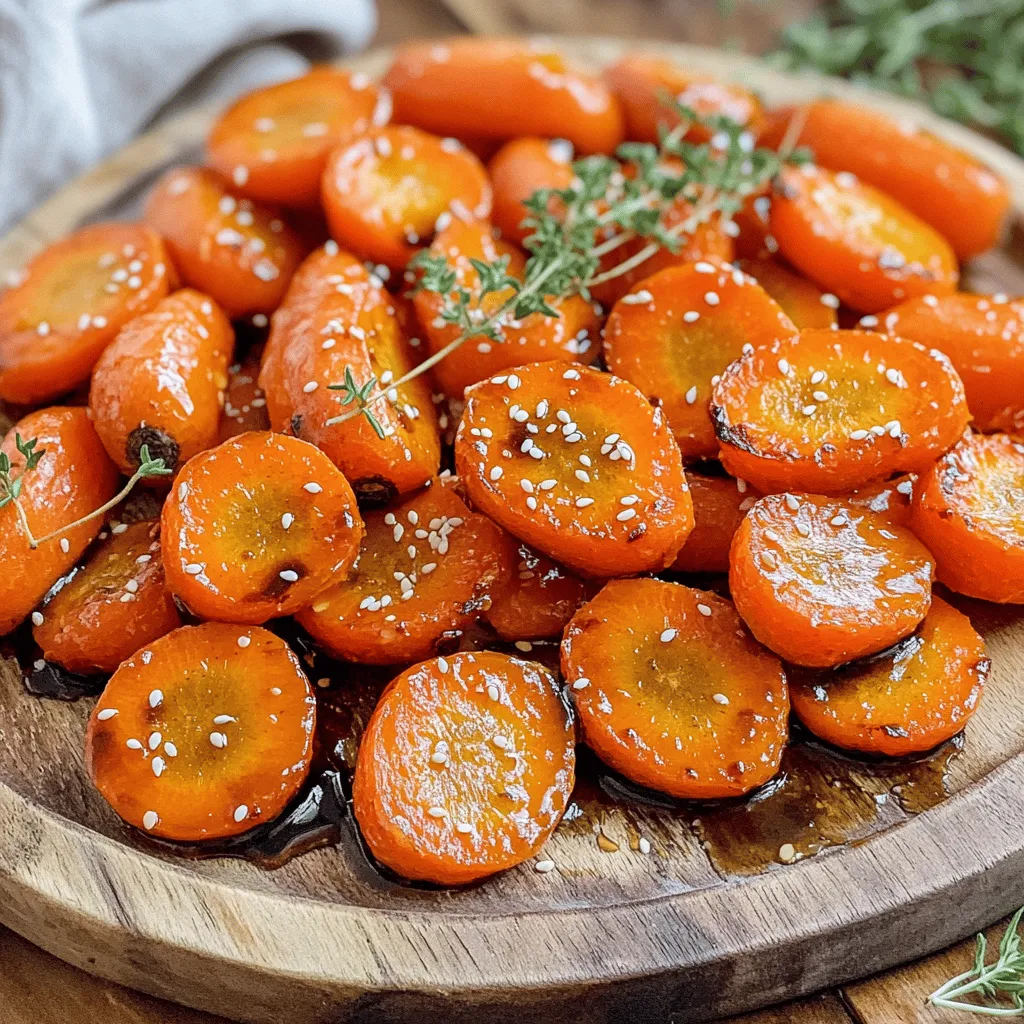
Looking for a simple yet delicious side dish? Honey Balsamic Roasted Carrots shine in any meal with their sweet and tangy flavor. In this post, I’ll show you how to combine young carrots, honey, and balsamic vinegar for a dish that’s easy to make and hard to resist. Whether you’re a cooking newbie or a seasoned pro, you’ll love how this recipe brightens your table! Let’s get started.
Ingredients
Main Ingredients Overview
- Young Carrots: These sweet, tender carrots are the star of the dish. Choose fresh, young carrots for the best flavor and texture. Their natural sweetness shines when roasted.
- Honey: Honey adds a rich sweetness that balances the tangy balsamic vinegar. It helps caramelize the carrots, giving them a lovely glaze.
- Balsamic Vinegar: This vinegar gives a deep, tangy flavor that pairs well with the sweetness of honey. It enhances the dish’s complexity.
- Olive Oil: Olive oil helps the carrots roast evenly and adds a smooth richness. It also helps the glaze stick to the carrots.
Additional Flavoring Ingredients
- Fresh Thyme Leaves: Thyme adds a fresh, herbaceous note to the dish. Fresh thyme brings out the best flavors in roasted carrots.
- Salt and Pepper: These basic seasonings enhance the natural flavors of the carrots. Use them to taste for a well-balanced dish.
- Optional Toppings: You can add sesame seeds for a crunchy texture. They also provide a nutty flavor that complements the carrots.
Equipment Needed
- Baking Sheet: A baking sheet is essential for roasting. It allows hot air to circulate around the carrots.
- Mixing Bowl: Use a mixing bowl to combine your glaze and toss the carrots.
- Whisk or Spatula: A whisk helps blend the glaze well. A spatula aids in coating the carrots evenly.Enjoy making this simple and flavorful dish!
Step-by-Step Instructions
Preparation Steps
- Preheating the Oven
Start by preheating your oven to 400°F (200°C). This step is key for roasting. A hot oven helps the carrots become tender and caramelized.
- Preparing the Honey-Balsamic Glaze
In a large mixing bowl, combine:
- 2 tablespoons honey
- 2 tablespoons balsamic vinegar
- 2 tablespoons olive oil
- 1 teaspoon fresh thyme leaves (or ½ teaspoon dried thyme)
- Salt and pepper to taste
Whisk these ingredients together until smooth. This glaze adds a sweet and tangy flavor that pairs perfectly with carrots.
Coating the Carrots
- Tossing Techniques for Uniform Coating
Carefully add the peeled and halved carrots to the bowl. Use a spatula or your hands to toss them in the glaze. Make sure every piece is covered. This ensures that each carrot is packed with flavor.
- Ensuring Even Flavor Distribution
Spread the coated carrots on a baking sheet lined with parchment paper. Place them in a single layer. This spacing helps them roast evenly and prevents them from steaming.
Roasting the Carrots
- Setting the Right Temperature and Time
Place the baking sheet in your preheated oven. Roast the carrots for about 25-30 minutes. They should become tender and lightly browned.
- Tips for Stirring Halfway Through
Halfway through cooking, gently stir the carrots. This promotes even caramelization. Stirring also helps prevent any pieces from burning. They should look golden and glossy when done.
Tips & Tricks
Perfecting Texture and Flavor
How to Choose the Best Carrots
When picking carrots, look for young ones. They should be firm, bright, and smooth. Avoid any that feel soft or have blemishes. Fresh carrots add the best taste and color to your dish.
Ensuring Even Caramelization
To get that sweet, caramelized flavor, spread the carrots on the baking sheet in a single layer. This helps them brown well. Stir them halfway through cooking to ensure all sides get that nice glaze.
Presentation Ideas
Plating Suggestions
Serve the warm roasted carrots on a large, colorful platter. The vibrant orange will pop against any background. Arrange them in a fan shape or in neat rows for a polished look.
Garnishing for Visual Appeal
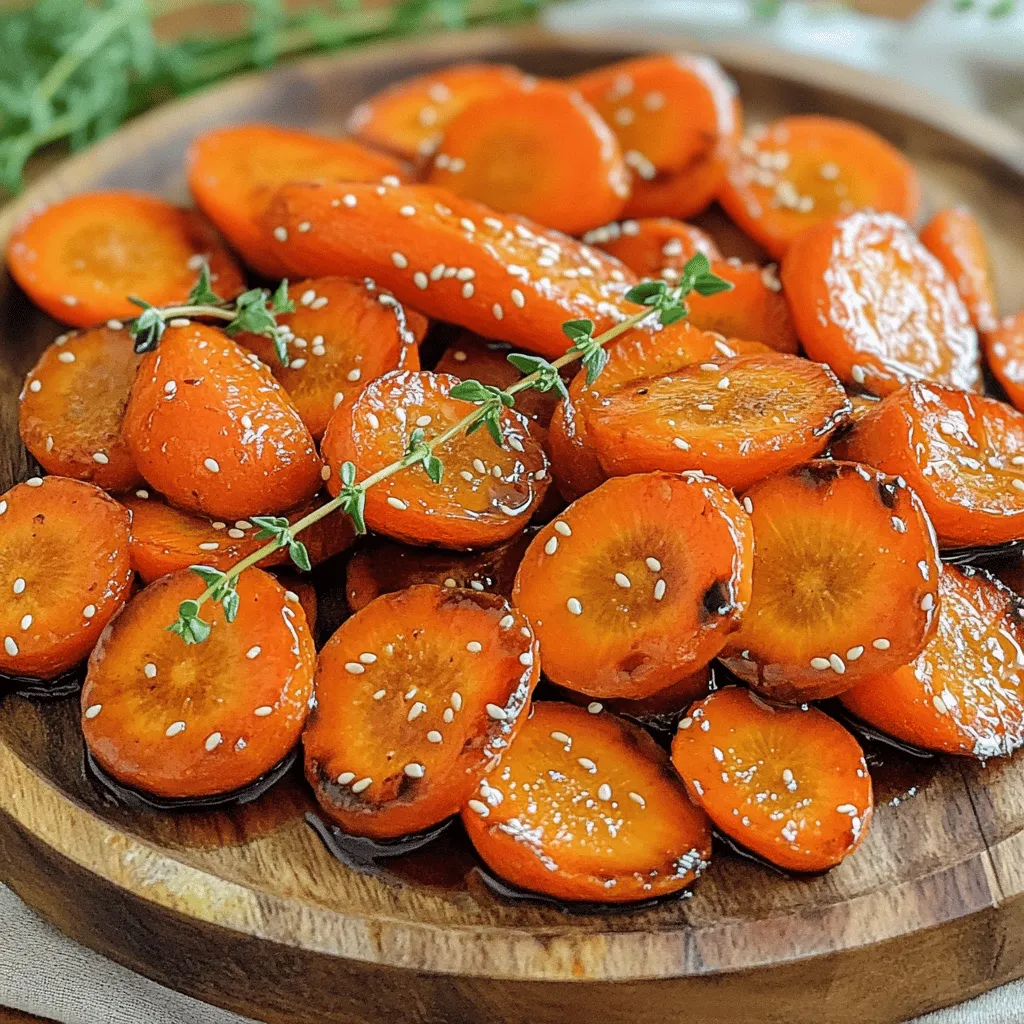
Garnish with fresh thyme or a light sprinkle of sesame seeds. This adds color and texture. A bright green sprig makes the dish more inviting to eat.
Common Mistakes to Avoid
Overcrowding the Baking Sheet
If you crowd the carrots, they will steam instead of roast. This means they won’t get that nice crispy edge. Give them space to breathe for the best results.
Underestimating Cooking Time
Keep an eye on the cooking time. Roasting can take longer than you think. Check for tenderness and browning at the 25-minute mark. Adjust as needed to achieve the perfect texture.
Variations
Flavor Variations
You can easily change the taste of honey balsamic roasted carrots. Adding garlic or onion gives a nice twist. Just chop a few cloves of garlic or a small onion and toss them in with the carrots. The garlic will add depth, while the onion brings sweetness.
If you want to try different sweeteners, consider maple syrup or agave nectar. Each will change the dish’s flavor. Maple syrup adds a nice earthy taste, while agave gives a light sweetness.
Dietary Modifications
For a vegan option, simply replace honey with maple syrup. This keeps the dish sweet and still delicious. All other ingredients remain the same.
If you’re looking for gluten-free options, this recipe is already gluten-free! Just make sure your balsamic vinegar is pure and free from gluten.
Seasonal Twists
You can mix in seasonal vegetables for a fun twist. In the fall, add sweet potatoes or butternut squash. In the spring, try asparagus or radishes. Each veggie brings its own flavor and color to the dish.
To adapt for holiday themes, consider using festive spices. A sprinkle of cinnamon or nutmeg can bring warmth to your roasted carrots. You can also use seasonal garnishes like pomegranate seeds for a pop of color and taste.
Storage Info
How to Store Leftovers
After you finish your Honey Balsamic Roasted Carrots, let them cool down. Place the carrots in a container with a tight lid. Refrigerate them within two hours of cooking. This keeps your dish fresh. I suggest using glass or plastic containers that seal well. They help prevent moisture loss and keep the flavor intact.
Reheating Instructions
You can reheat your carrots in two ways: the microwave or the oven. If you choose the microwave, place the carrots in a safe dish. Heat them in short bursts, stirring in between. This keeps them warm but can make them soft.
For a crispier result, use the oven. Preheat it to 350°F (175°C). Spread the carrots on a baking sheet. Heat for about 10 minutes or until warm. This method helps maintain the texture and flavor, giving you that fresh-from-the-oven taste.
Shelf Life
Honey Balsamic Roasted Carrots last about 3 to 5 days in the fridge. Keep an eye on them. If they start to smell funny, it’s best to toss them out. You can also freeze the carrots for longer storage. Place them in a freezer-safe bag or container. They can last up to 3 months in the freezer. Just remember to label them, so you know when to use them.
FAQs
How do I know when the carrots are done roasting?
The carrots are done when they are tender and slightly brown. You can check them with a fork. If it goes in easily, they are ready. Look for a nice caramel color on the outside. This shows they are roasted well and full of flavor.
Can I use different types of vinegar?
Yes, you can! If you want a different taste, try using apple cider vinegar or red wine vinegar. Both will add a nice zing to your dish. Each type of vinegar brings its own unique flavor, so feel free to experiment. Just keep in mind that balsamic vinegar gives a sweet touch that pairs well with honey.
What can I serve with Honey Balsamic Roasted Carrots?
These carrots go great with many dishes. You can serve them with grilled chicken or fish for a light meal. They also pair well with roasted meats like pork or beef. If you want a vegetarian option, serve them with quinoa or a fresh salad. Their sweet and tangy flavor complements a variety of foods.
Can I prepare the carrots in advance?
Yes, you can prep the carrots ahead of time. Peel and cut them a day before. Store them in water in the fridge to keep them fresh. When you are ready to cook, just drain and coat them in the honey-balsamic glaze. This saves you time and makes dinner easier.
We covered how to make honey balsamic roasted carrots, from ingredients to storage. You learned about selecting fresh carrots, creating a tasty glaze, and roasting techniques for perfect results. Remember to experiment with flavors and toppings that fit your taste. Planning ahead makes this dish easier. Enjoy the sweet and tangy flavors with your meals, and have fun cooking!
![To make Parmesan roasted cauliflower, gather these simple ingredients: - 1 large head of cauliflower, cut into bite-sized florets - 3 tablespoons extra virgin olive oil - 1 cup freshly grated Parmesan cheese - 2 teaspoons garlic powder - 1 teaspoon onion powder - 1 teaspoon smoked paprika - Salt and freshly ground black pepper, to taste - Fresh parsley, finely chopped (for garnish) Using fresh ingredients makes a big difference in taste. Look for a cauliflower head that is firm and free of blemishes. The olive oil should be extra virgin for the best flavor. Freshly grated Parmesan cheese melts better than pre-grated. It has a richer taste and adds a creamy texture. Spices should be fresh too. This helps ensure you get the best flavor in every bite. If you want to change things up, try these add-ins: - Red pepper flakes for heat - Lemon zest for a fresh twist - Balsamic glaze drizzled on top for sweetness - Other cheeses like mozzarella or cheddar for different flavors These options let you customize the dish to fit your taste. Feel free to mix and match! For the full recipe, check out the details above. Start with a large head of cauliflower. Cut it into small, bite-sized florets. This size helps them cook evenly. Rinse the florets under cold water. Then, dry them well with a towel. Removing excess moisture helps them roast better. In a large mixing bowl, add the dried cauliflower florets. Pour in three tablespoons of extra virgin olive oil. Toss the florets until they are well-coated. In another bowl, mix one cup of freshly grated Parmesan cheese, two teaspoons of garlic powder, one teaspoon of onion powder, and one teaspoon of smoked paprika. Add salt and freshly ground black pepper to taste. Combine these dry ingredients well. Spread the coated cauliflower onto a lined baking sheet. Make sure they are in a single layer. This step helps them roast evenly. Preheat your oven to 425°F (220°C). Place the baking sheet in the oven and roast for 25 to 30 minutes. Flip the florets halfway through for even cooking. Look for a golden brown color and a tender texture. Once done, take the cauliflower out of the oven. Let it cool for a few minutes. Garnish with fresh parsley for a pop of color. Serve it on a bright platter for a beautiful display. You can also drizzle a little olive oil on top for extra flavor. This dish pairs well with grilled meats or as part of a veggie spread. Enjoy your delicious Parmesan roasted cauliflower! For more detailed guidance, check out the Full Recipe. To get that perfect roast, you need the right oven temperature. Preheat your oven to 425°F (220°C). This high heat crisps the edges and makes the cauliflower tender. Spread the florets in a single layer on the baking sheet. If they are too crowded, they will steam instead of roast. Flip them halfway through cooking for even browning. Aim for a golden color; that's when they taste the best. One common mistake is not drying the cauliflower. After washing, make sure it's dry. Excess water can lead to soggy florets. Another mistake is using old Parmesan cheese. Fresh cheese melts better and has more flavor. Lastly, don't skip the seasoning. A light touch of salt and pepper really makes a difference. You can easily make this dish even tastier. Try adding a squeeze of lemon juice before serving for a zesty kick. Fresh herbs like thyme or rosemary also add depth. For spice lovers, sprinkle some red pepper flakes for heat. You can find all these flavor ideas in the [Full Recipe]. {{image_4}} You can switch up the cheese for more flavor. Try pecorino Romano for a saltier bite. Goat cheese adds creaminess and tang. For a milder taste, use mozzarella or cheddar. Each cheese brings a unique twist to the dish. So, feel free to experiment with what you have on hand. If you like heat, add some cayenne pepper or crushed red pepper flakes. Start with a pinch and taste as you go. For a milder flavor, skip the smoked paprika. You can also use Italian seasoning for a different herb mix. Adjusting spices lets you make the dish your own. You can mix in other veggies for fun. Try bell peppers, carrots, or zucchini. Cut them into similar sizes as the cauliflower. This way, everything cooks evenly. Roasting a mix adds color and taste. You get a delightful medley on your plate. Check out the Full Recipe for more ideas on making this dish stand out! To keep your Parmesan roasted cauliflower fresh, place it in an airtight container. Make sure it cools to room temperature first. This helps prevent moisture buildup. Store it in the fridge for up to four days. If you want to enjoy it later, make sure to check the smell and texture before eating. When it's time to enjoy your leftovers, reheating is key. I recommend using the oven for the best results. Preheat your oven to 350°F (175°C). Spread the cauliflower on a baking sheet. Heat for about 10 to 15 minutes. This will crisp it up again and keep the cheese flavor strong. You can also use a microwave for quick reheating. Just heat for one to two minutes. But keep in mind, it won’t be as crispy. If you want to store the cauliflower for longer, freezing is a great option. Start by letting it cool completely. Then, place it in a freezer-safe bag. Squeeze out as much air as possible before sealing it. You can freeze it for up to three months. When ready to eat, thaw it overnight in the fridge. Then, reheat in the oven for the best taste. For more details, check out the full recipe. Roasting cauliflower takes about 25 to 30 minutes. Preheat your oven to 425°F (220°C). Place the cauliflower on a baking sheet in a single layer. Halfway through, flip the florets for even cooking. You want them to be golden brown and fork-tender. Yes, you can make this dish ahead of time. Roast the cauliflower and let it cool. Store it in an airtight container in the fridge for up to three days. When you’re ready to serve, just reheat it in the oven. This keeps it crisp and tasty. Parmesan roasted cauliflower pairs well with many dishes. Serve it alongside grilled chicken or fish for a balanced meal. It also complements pasta or a fresh salad. You can even use it as a topping for grain bowls. This dish adds a flavorful crunch to your plate. For the full recipe, check out the details above! In this blog post, we explored how to make delicious Parmesan Roasted Cauliflower. We outlined the key ingredients and shared tips for picking top-quality ones. I provided step-by-step instructions, covering preparation, mixing, roasting, and serving. You learned tips to ensure perfect roasting and avoid common mistakes. We discussed variations like different cheeses and spices, along with storage and reheating advice. With these insights, you can enjoy this tasty dish in many ways. Take your time and have fun creating your own version!](https://dishtreats.com/wp-content/uploads/2025/06/1026dd12-7014-4148-8186-1edda0f6a7e3-768x768.webp)
![To make this tasty dish, gather these simple ingredients: - 1 pound Brussels sprouts, trimmed and halved - 3 tablespoons extra virgin olive oil - 1/4 cup pure maple syrup - 2 tablespoons balsamic vinegar - 1 teaspoon Dijon mustard - 1/2 teaspoon fine sea salt - 1/4 teaspoon freshly ground black pepper - 1/4 cup pecans, roughly chopped for added crunch - 1/4 cup dried cranberries for a touch of sweetness - Fresh thyme leaves for an aromatic garnish (optional) You can easily adjust ingredient amounts based on what you need. Here are some quick conversions: - If you want to make more, use 2 pounds of sprouts and double the glaze. - For less, cut the amounts in half. This still keeps the taste great. - In a pinch, you can swap the pecans for walnuts or almonds. This dish not only tastes good but is also good for you. Here’s a quick look at what’s inside: - Calories: About 200 per serving - Fat: 12 grams (mostly healthy fats from olive oil and nuts) - Carbohydrates: 24 grams (includes natural sugars from maple syrup) - Fiber: 5 grams (great for digestion from Brussels sprouts) - Protein: 3 grams (from nuts and sprouts) This breakdown helps you see the benefits of each ingredient. Enjoy making this dish with fresh, seasonal produce for the best flavor and health benefits. For the complete recipe, check out the Full Recipe. Start by preheating your oven to 400°F (200°C). This step is key for getting perfect crispness. While the oven warms up, clear your kitchen counter. Gather all your tools and ingredients. Having everything ready makes cooking much easier. Take 1 pound of Brussels sprouts. Trim off the ends and cut them in half. Place the halved sprouts in a large mixing bowl. Add 3 tablespoons of extra virgin olive oil and 1/2 teaspoon of fine sea salt. Sprinkle in 1/4 teaspoon of freshly ground black pepper. Toss the sprouts until they are well coated. This ensures each sprout gets flavor. Spread the seasoned Brussels sprouts on a baking sheet. Make sure the cut sides face down. This helps them brown nicely. Place the baking sheet in your preheated oven. Roast for 20-25 minutes. They should be crispy and golden. While they roast, make the maple glaze. In a small saucepan, mix 1/4 cup of pure maple syrup, 2 tablespoons of balsamic vinegar, and 1 teaspoon of Dijon mustard. Heat over medium heat but do not let it boil. Once the sprouts are ready, drizzle the glaze over them. Toss gently to coat. Return the glazed sprouts to the oven for 5 more minutes. This step caramelizes the glaze, making it rich and tasty. After that, take them out and add 1/4 cup of roughly chopped pecans and 1/4 cup of dried cranberries. These add crunch and sweetness. If you want, garnish with fresh thyme leaves for even more flavor. For the full details, check the Full Recipe. When you pick Brussels sprouts, look for bright green ones. They should feel firm and heavy in your hand. Avoid any that have yellow leaves or feel soft. The size matters too; smaller sprouts are sweeter and more tender. If you can, buy them on the stalk. They stay fresh longer that way. Caramelization makes Brussels sprouts sweet and tasty. To get it right, roast them cut-side down. This lets them get nice and brown. Make sure they have space on the baking sheet. If they are too close together, they will steam instead of roast. Use high heat, about 400°F, for best results. Check them halfway through and give them a stir for even cooking. One big mistake is overcooking the sprouts. They should be tender but still have a bit of crunch. Avoid using too much glaze; it can make them soggy. Always glaze right after roasting, then caramelize them for just a few minutes. This step adds flavor without losing the sprout's crispness. Lastly, don’t skip the nuts and cranberries; they add great texture and taste. For the full recipe, check the [Full Recipe]. {{image_4}} You can change the taste of maple glazed Brussels sprouts by adding different nuts or seeds. Try walnuts for a rich flavor or sunflower seeds for a crunch. Almonds also work well; they add a nice texture and nutty taste. Each option gives a new twist to your dish. Just sprinkle them on top after roasting for the best crunch and flavor. If you need to adjust for dietary needs, it’s easy. Use agave syrup instead of maple syrup for a vegan option. For a nut-free dish, skip the pecans and use pumpkin seeds. You can also swap balsamic vinegar with apple cider vinegar for a light zing. These swaps keep the dish tasty while meeting your needs. Brussels sprouts shine in fall and winter, but you can adapt them year-round. In spring, add fresh herbs like basil or parsley for brightness. In summer, pair with grilled corn for a sweet twist. You can also mix in seasonal veggies like carrots or sweet potatoes for color and taste. This way, your dish stays fresh and exciting no matter the season. For the full recipe, check out the Maple Glazed Brussels Sprouts Delight. After enjoying your maple glazed Brussels sprouts, store leftovers right. Place them in an airtight container. They will stay fresh for about three days in the fridge. Keep them away from strong-smelling foods. This helps maintain their flavor. When you reheat, aim to keep the sprouts crispy. Use your oven for the best results. Preheat it to 350°F (175°C). Spread the sprouts on a baking sheet. Heat them for about 10-15 minutes. This method helps keep them crunchy and flavorful. You can also microwave them for quick reheating, but they may not stay as crispy. If you want to enjoy these sprouts later, freezing works too. First, let them cool completely. Spread them on a baking sheet in a single layer. Freeze until solid, then transfer to a zip-top bag. They can last up to three months in the freezer. When ready to eat, thaw them overnight in the fridge. Reheat using the oven for the best taste. Enjoy your tasty treat again! Yes, you can prepare these Brussels sprouts ahead of time. After roasting them, let them cool. Store them in an airtight container in the fridge. They stay fresh for up to three days. When you're ready to serve, just reheat them in the oven. This keeps them crispy and tasty. These Brussels sprouts pair well with many dishes. Serve them alongside roasted chicken or grilled salmon for a complete meal. They also shine as a side dish for holiday dinners. You can even enjoy them with a grain salad or pasta for a light lunch. The sweet glaze adds a nice touch to any plate. You can easily change the sweetness of the glaze. If you want it sweeter, add more maple syrup. Start with an extra tablespoon and taste as you go. For a less sweet glaze, reduce the maple syrup. You can add more balsamic vinegar to balance the flavor. Adjust it to match your taste! We explored how to make Maple Glazed Brussels Sprouts from start to finish. You learned about ingredients, cooking steps, and storage tips. I shared helpful tricks to avoid mistakes and ensure a tasty outcome. You can now customize your dish with variations and serve it with confidence. Remember, fresh ingredients and careful roasting lead to the best flavors. Enjoy making this dish and impress your family and friends. With practice, your skills will grow. Happy cooking!](https://dishtreats.com/wp-content/uploads/2025/07/6c550e47-e99c-4554-a6d4-422f3e5f831a-768x768.webp)

![- 1 pound boneless, skinless chicken breast, thinly sliced - 1 tablespoon extra virgin olive oil - 1 teaspoon chili powder - 1 teaspoon ground cumin - ½ teaspoon smoked paprika - ½ teaspoon garlic powder - ½ teaspoon onion powder - Sea salt and freshly cracked black pepper, to taste - 1 red bell pepper, sliced into thin strips - 1 yellow bell pepper, sliced into thin strips - 1 medium onion, sliced - 1 head of iceberg or romaine lettuce, leaves carefully separated I always choose organic chicken when I can. It tastes better and is healthier. Good seasoning transforms chicken into a flavorful dish. Chili powder and cumin bring warmth, while smoked paprika adds depth. Keep your vegetables fresh! Use bright, crisp bell peppers and onions. They add color and crunch to your wraps. For the lettuce, iceberg or romaine works best. Their sturdy leaves hold the filling well. - 1 ripe avocado, sliced - Fresh cilantro leaves, for garnish - Lime wedges, for drizzling Avocado adds creaminess and balances the spiciness. Cilantro brings a fresh burst of flavor. Lime juice brightens the dish and enhances all the tastes. For sauces, you can use salsa for a zesty kick. A yogurt sauce makes a cool contrast to the spicy chicken. These toppings and dips elevate your chicken fajita lettuce wraps. You can find the Full Recipe for more details on preparation and cooking. Enjoy making these fresh and flavorful meals! To make your chicken fajita lettuce wraps burst with flavor, seasoning is key. Start by mixing the chicken with olive oil and spices. Use chili powder, cumin, smoked paprika, garlic powder, onion powder, sea salt, and black pepper. This mix will coat the chicken well and enhance its taste. Next, let’s slice the vegetables correctly. For even cooking, cut the bell peppers and onion into thin strips. This helps them cook through while keeping a nice crunch. Remember, uniform slices ensure they cook at the same rate. Now, prepare the lettuce leaves. Rinse them gently under cold water. Pat them dry with a towel to avoid soggy wraps. Choose firm leaves that can hold the filling well. Iceberg or romaine works best for this recipe. Heat your skillet to medium-high. This temperature is perfect for cooking the chicken. When it's hot, add the seasoned chicken and cook for about 5-7 minutes. Stir occasionally to get an even golden-brown color. Make sure the chicken is fully cooked and no longer pink inside. After the chicken is done, add your sliced vegetables. Cook for an extra 4-5 minutes. Stir frequently to keep the veggies bright and tender-crisp. This technique ensures they maintain great texture and taste. Now, it's time to assemble your wraps. Take a lettuce leaf and spoon in a generous amount of the chicken and vegetable mix. Add a few slices of creamy avocado on top. Finish with fresh cilantro for extra flavor. For presentation, arrange the wraps on a nice platter. Serve with lime wedges to add a zesty touch. A squeeze of lime juice brightens the flavors and makes each bite pop. Enjoy this fresh and flavorful meal from the full recipe! To avoid overcooking the chicken, use a meat thermometer. Chicken should reach 165°F. Remove it from the heat the moment it's done. This keeps the meat juicy and tender. Let the chicken rest for 5 minutes before serving. This helps the juices redistribute, making each bite full of flavor. To add heat, include diced jalapeños or cayenne pepper. Start with a small amount, then taste as you go. You can also try chipotle powder for a smoky kick. To balance flavors, squeeze fresh lime juice over the wraps. The acidity brightens the dish and complements the spices. Pair your chicken fajita wraps with a fresh side salad. A simple mix of greens, tomatoes, and cucumbers works well. You can also serve them with corn on the cob or seasoned rice. These wraps are perfect for casual gatherings or family dinners. They are also great for a fun weeknight meal! For the full recipe, check the earlier section. {{image_4}} You can swap out chicken for other proteins. Shrimp works great and cooks fast. Tofu is a perfect choice for a plant-based option. Both give you tasty results. If you need gluten-free or low-carb wraps, try using collard greens or cabbage leaves instead of lettuce. These options hold up well and add a nice crunch. You can change the spice blend to suit your taste. Try adding cayenne for heat or smoked paprika for a deeper flavor. You can also use a store-bought fajita seasoning if you're short on time. Seasonal veggies can make your wraps pop. In summer, throw in fresh corn and zucchini. In fall, use roasted butternut squash for a sweet twist. For parties, serve the wraps on a large platter. Arrange the lettuce leaves and filling bowls in a fun way. This lets guests build their own wraps, making it interactive and fun. If you want to prepare these wraps for lunch, pack the filling and lettuce separately. This keeps the lettuce crisp and fresh. You can also use small containers for dips like salsa or guacamole. For the full recipe, visit [Full Recipe]. To keep your chicken fajita lettuce wraps fresh, follow these steps: - Separate the filling and lettuce: Store the chicken and veggies in one container, and the lettuce in another. This keeps the lettuce crisp. - Use airtight containers: Choose containers that seal tightly to prevent air from getting in. - Cool before storing: Let the filling cool to room temperature before sealing. This helps avoid condensation, which can make the chicken soggy. When it's time to enjoy your leftovers, here are some tips: - Reheat in a skillet: Place the chicken fajita filling back in a skillet over medium heat. Stir often to warm evenly without drying it out. - Add a splash of water: If the filling seems dry, add a little water or broth. This keeps it moist and flavorful. - Refresh the lettuce: Rinse the lettuce leaves again under cold water. This helps them feel crisp and fresh. If you want to save your chicken fajitas for later, follow these guidelines: - Freeze the filling: Place cooled chicken and veggies in a freezer-safe bag. Remove as much air as possible before sealing. - Label and date: Write the date on the bag. Use within three months for best taste. - Thaw safely: When ready to eat, thaw the filling overnight in the fridge. Reheat it as mentioned earlier. Prepare fresh lettuce just before serving. For the full recipe, check out the spicy chicken fajita lettuce wraps. To add heat, try these spices and sauces: - Red pepper flakes - Jalapeños, diced - Hot sauce of your choice - Chipotle powder - Fresh diced chili peppers Mix these into your chicken or drizzle on top. You can adjust the heat based on your taste. If you want a smoky flavor, chipotle powder works great. Yes, you can prep ingredients in advance. - Slice the chicken and veggies the night before. - Store them in airtight containers in the fridge. - Cook the chicken and veggies just before serving. This way, you can save time and still enjoy fresh flavors. Absolutely! They are low in carbs and high in protein. - One serving contains lean chicken and fresh veggies. - You get vitamins from the peppers and lettuce. - Avocado adds healthy fats. This meal is tasty and supports a balanced diet. Yes, you can use other greens. Here are some ideas: - Butter lettuce for a softer wrap - Green leaf lettuce for extra crunch - Collard greens for a sturdy option These alternatives can change the taste and feel of your wraps. These sides complement your wraps nicely: - Fresh corn salad - Quinoa salad with lime - Black bean salsa - Grilled veggies These options add color and variety to your meal. For the full recipe, check the main section of this article. Chicken fajita lettuce wraps are a great way to enjoy fresh ingredients and bold flavors. We covered the key ingredients, from quality chicken to perfect seasoning. I shared step-by-step instructions for preparation and cooking, plus tips to avoid common mistakes. You can also explore fun variations and creative ways to serve these wraps. Don't forget about storage options to keep your leftovers fresh. With this guide, you can easily create a tasty and healthy meal anytime. Enjoy experimenting with flavors and serving styles!](https://dishtreats.com/wp-content/uploads/2025/07/3ff26f4d-3e29-49ec-9670-a4271fb272fb-768x768.webp)