
Spicy Garlic Ramen Noodles Quick and Flavorful Recipe
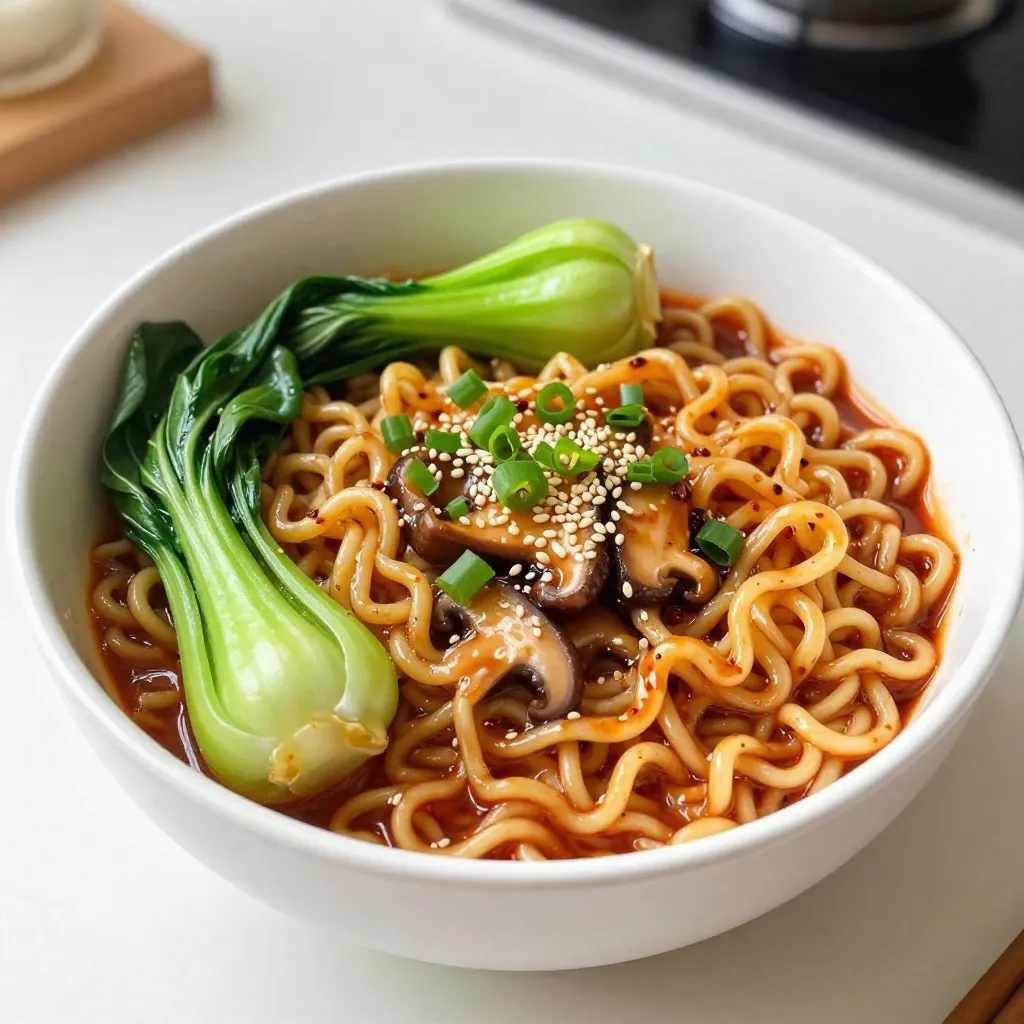

Looking for a quick and tasty meal? Try my Spicy Garlic Ramen Noodles! This recipe packs a punch of flavor that hits all the right spots. With simple ingredients and easy steps, you can whip up a satisfying bowl in no time. Let me guide you through this mouthwatering dish that is sure to impress everyone at your table. Get ready to savor every spicy, garlicky bite!
Why I Love This Recipe
- Bold Flavors: This ramen is packed with bold flavors from garlic, ginger, and chili paste, making every bite a delight.
- Quick and Easy: With a prep time of just 10 minutes, this recipe is perfect for a quick weeknight meal.
- Customizable: You can easily adjust the spice level and swap in your favorite vegetables to make it your own.
- Comfort Food: This dish combines the comforting texture of ramen with a spicy kick, perfect for cozy nights in.
Ingredients
Essential Ingredients for Spicy Garlic Ramen Noodles
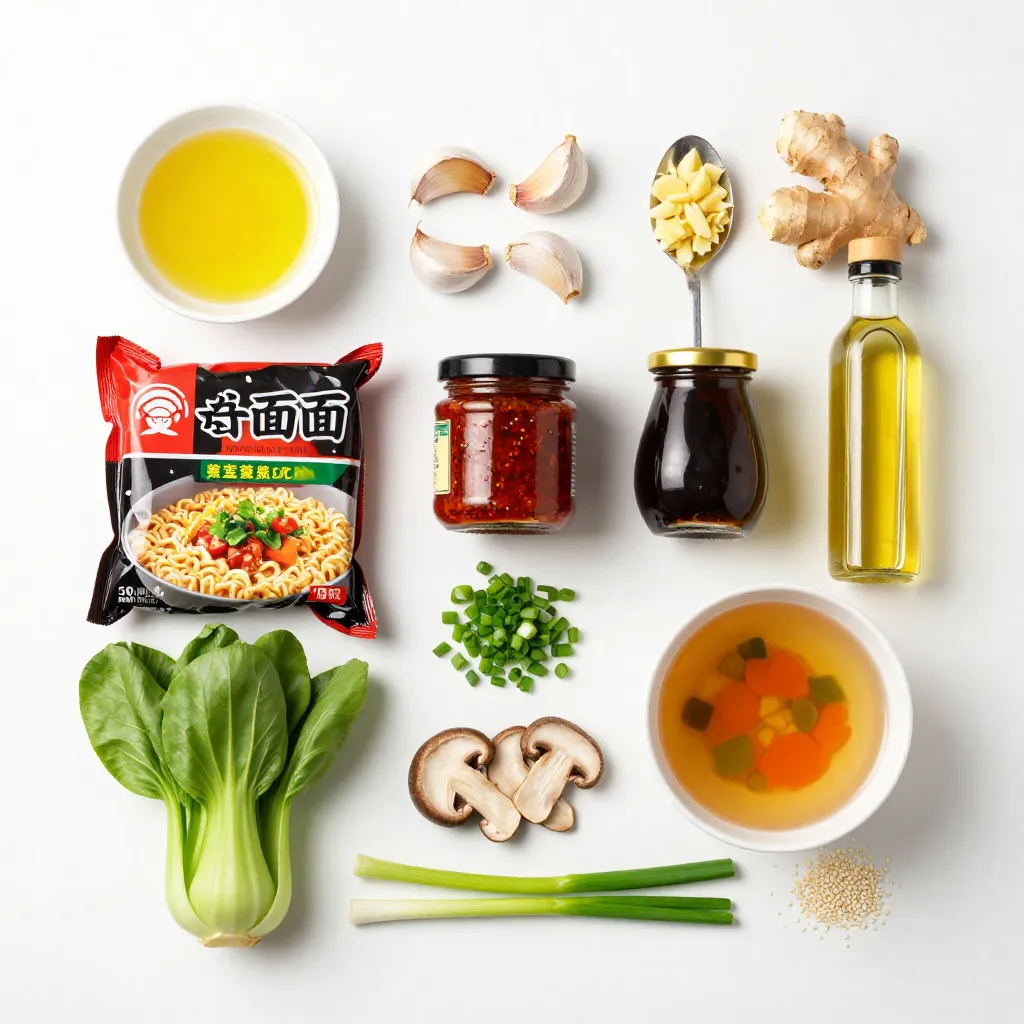
To make spicy garlic ramen noodles, gather the following key items:
- 2 packs of instant ramen noodles (discard the seasoning packets)
- 3 tablespoons vegetable oil
- 4 cloves garlic, minced
- 1 tablespoon fresh ginger, grated
- 1-2 tablespoons chili paste (adjust according to your heat preference)
- 2 tablespoons soy sauce
- 1 tablespoon sesame oil
- 1 cup vegetable broth
- 1 cup bok choy, chopped (you can use other leafy greens)
- 1/2 cup sliced mushrooms (shiitake or button mushrooms work best)
- 2 green onions, chopped
- Sesame seeds for garnish
- Salt and pepper to taste
Optional Ingredients for Customization
You can customize your ramen with these fun options:
- Add protein like tofu, chicken, or shrimp for heartiness.
- Toss in more veggies like bell peppers or carrots for extra crunch.
- Use different types of noodles, like udon or soba.
- Try different sauces, like hoisin or oyster sauce, for a unique twist.
Tools Needed for Preparation
To whip up this dish, you need a few simple tools:
- A large pot for boiling noodles
- A skillet or wok for sautéing
- A cutting board and knife for chopping
- Measuring spoons for precise ingredients
- A stirring spoon to mix everything together
Step-by-Step Instructions
Preparing the Ramen Noodles
Start by boiling a pot of water. Once it boils, add the instant ramen noodles. Cook them until they are just tender. This usually takes about 3-4 minutes. Drain the noodles and set them aside for later.
Sautéing Aromatics and Vegetables
In a large skillet or wok, heat the vegetable oil over medium heat. When the oil is shimmering, add the minced garlic and grated ginger. Sauté them for 1-2 minutes. This makes the kitchen smell great! Be careful not to burn them. Next, stir in the chili paste and cook for one more minute.
Combining Ingredients for Flavorful Sauce
Add the sliced mushrooms and chopped bok choy to the skillet. Sauté the veggies for 3-4 minutes. You want the bok choy to wilt and the mushrooms to get soft. Then, pour in the vegetable broth, soy sauce, and sesame oil. Raise the heat and let it simmer for 2-3 minutes. This helps the flavors mix nicely.
Mixing and Finalizing the Dish
Gently add the drained ramen noodles to the skillet. Toss them with the veggies and sauce until everything is well coated. Taste the dish and season it with salt and pepper. If you want more heat, stir in extra chili paste. Once heated through, remove the skillet from the heat. Garnish with chopped green onions and sesame seeds. This makes the dish look extra inviting!
Tips & Tricks
Perfecting Texture and Flavor
To get the best texture, cook your ramen noodles just right. Follow the package time closely. Overcooking makes them mushy. When you drain them, rinse with cold water. This stops the cooking. The noodles then stay firm.
Use fresh garlic and ginger. They add great flavor. Sauté them carefully in hot oil. Watch them closely to avoid burning. This brings out their full taste. For spice, adjust the chili paste to your liking. Start with one tablespoon if you like mild heat. Add more if you want it spicy.
Serving Suggestions for Presentation
Serving matters! Use deep bowls for a nice look. Place the noodles first, then add the vibrant veggies. Top with green onions and sesame seeds to make it pop. A drizzle of chili oil adds a nice touch, too.
You can also add a slice of lime on the side. The lime gives a fresh taste when squeezed over the dish. It makes the meal even more exciting.
Common Mistakes to Avoid
One common mistake is using the seasoning packets that come with instant ramen. They can make the dish too salty. Instead, rely on your own seasonings for better flavor control.
Don’t skip the sauté step for garlic and ginger. This step is key for flavor. Also, avoid adding too many veggies at once. This can make the dish watery. Stick to the recipe for balance.
Pro Tips
- Fresh Ingredients: Always use fresh garlic and ginger for the best flavor. Dried or powdered versions won’t give you the same aromatic punch.
- Adjusting Heat: If you’re unsure about the spice level, start with less chili paste and taste as you go. You can always add more if you want it spicier.
- Vegetable Variations: Feel free to mix in other vegetables like bell peppers, carrots, or spinach. This not only adds color but also boosts the nutritional value.
- Serving Suggestions: For added richness, consider topping your ramen with a soft-boiled egg or some sliced cooked chicken for a heartier meal.
Variations
Protein Additions (Tofu, Chicken, etc.)
You can easily boost the protein in your spicy garlic ramen. Tofu is a great choice. Use firm tofu and cube it before adding. Sauté it until golden brown. If you prefer meat, chicken works well too. Just slice it thinly and cook it with the garlic and ginger. You can even use shrimp for a seafood twist.
Vegan and Vegetarian Alternatives
For a vegan version, stick with plant-based proteins like tofu or seitan. Replace the vegetable broth with a homemade veggie broth for deeper flavor. You can also add more greens like spinach or kale. This way, you keep it colorful and nutritious. For vegetarians, feel free to sprinkle some grated cheese on top for a creamy finish.
Adjusting Spice Levels
Want more heat? Add more chili paste to the mix. Start with one tablespoon, then taste. If you like it spicy, add more. If you want less spice, reduce the chili paste. You can also use milder ingredients like bell peppers instead of spicier chili options. This way, you can control the heat to your liking.
Experiment with these variations to make this dish your own. Enjoy the journey of flavor!
Storage Info
How to Store Leftovers
Store any leftover spicy garlic ramen noodles in an airtight container. Ensure the noodles cool down before sealing. They stay fresh in the fridge for 3 to 4 days. If you notice any excess liquid, drain it off to keep the noodles from becoming soggy.
Reheating Tips for Best Results
To reheat, place the noodles in a skillet over medium heat. Add a splash of vegetable broth or water to revive the sauce. Stir frequently until heated through. This method helps keep the noodles from clumping.
Freezing Options and Guidelines
You can freeze the ramen noodles, but it’s best to freeze the sauce and veggies separately. Portion the noodles and sauce into freezer-safe bags. They can last for up to 2 months in the freezer. When ready to eat, thaw overnight in the fridge and reheat as mentioned above. Enjoy your quick meal even later!
FAQs
What are the best types of noodles for ramen?
The best noodles for ramen are the ones made from wheat. They are chewy and hold sauce well. Instant ramen noodles work great for quick meals. Fresh ramen noodles give a better texture but take longer to cook. Look for noodles labeled “ramen” in stores. They often come with different thicknesses and shapes.
Can I make this dish spicy without using chili paste?
Yes, you can make spicy garlic ramen without chili paste. Use red pepper flakes or hot sauce instead. You can also add sliced fresh chili peppers for heat. Another option is to use spicy oils, like chili oil or sesame oil with chili. Adjust the amount to fit your spice level.
How do I add more vegetables to my ramen?
Adding more vegetables is easy and fun! You can use any greens like spinach or kale. Carrots, bell peppers, and snap peas add crunch and color. Just chop them into small pieces. Sauté them along with garlic and ginger for flavor. Always adjust cooking time to keep them fresh and bright.
What side dishes pair well with spicy garlic ramen noodles?
Several side dishes go well with spicy garlic ramen. Try a simple cucumber salad for a refreshing contrast. Edamame offers a nice crunch and is easy to make. You can also serve gyoza or dumplings for a tasty bite. For something light, consider miso soup as a warm starter.
This blog post covered how to make spicy garlic ramen noodles. I shared essential and optional ingredients, tools needed, and step-by-step instructions. We explored tips for the best flavor and texture, along with common mistakes to avoid. You learned about protein additions, vegan options, and how to adjust spice levels. Lastly, I provided storage info and answered common questions. Use these steps to create a tasty meal that fits your taste. Enjoy making your own spicy garlic ramen at hom
Spicy Garlic Ramen Noodles
Ingredients
- 2 packs instant ramen noodles
- 3 tablespoons vegetable oil
- 4 cloves garlic, minced
- 1 tablespoon fresh ginger, grated
- 1 tablespoon chili paste
- 2 tablespoons soy sauce
- 1 tablespoon sesame oil
- 1 cup vegetable broth
- 1 cup bok choy, chopped
- 0.5 cup sliced mushrooms
- 2 green onions chopped
- 1 tablespoon sesame seeds for garnish
- 1 to taste salt
- 1 to taste pepper
Instructions
- Start by bringing a pot of water to a vigorous boil. Add the instant ramen noodles and cook them according to the package instructions until they are just tender. Once done, drain the noodles and set them aside.
- In a large skillet or wok, pour in the vegetable oil and heat it over medium heat until shimmering.
- Carefully add the minced garlic and grated ginger to the hot oil, sautéing for about 1-2 minutes. Stir frequently until they become fragrant, but take care not to let them burn.
- Stir in the chili paste, allowing it to cook for an additional minute to enhance the flavors further.
- Next, add the sliced mushrooms and chopped bok choy to the skillet. Sauté the vegetables for about 3-4 minutes, or until the bok choy is wilted and the mushrooms are tender.
- Carefully pour in the vegetable broth, soy sauce, and sesame oil. Increase the heat slightly and let the mixture simmer for about 2-3 minutes, allowing the flavors to meld beautifully.
- Gently add the drained ramen noodles to the skillet, tossing them with the vegetables and sauce until everything is thoroughly combined and coated.
- Taste and season with salt and pepper as desired. If you prefer more heat, feel free to stir in additional chili paste to your liking.
- Once everything is heated through and well-mixed, remove the skillet from the heat. Garnish the dish with chopped green onions and a sprinkle of sesame seeds for a beautiful finish.
![To make crispy sweet and sour chicken, you need some key ingredients. Here’s what to gather: - 1 lb (450g) chicken breast, cut into bite-sized pieces - 1 cup cornstarch - 2 large eggs, beaten - Oil for frying - Salt and black pepper to taste These ingredients form the base of your dish. The chicken gives protein, while cornstarch creates that crispy texture. Eggs help the cornstarch stick to the chicken. Adding vibrant colors and fresh flavors is easy with the right vegetables and fruits. Here’s what you’ll need: - 1 cup bell peppers, chopped (mix of colors for visual appeal) - 1 cup pineapple chunks (fresh or canned) - 1 cup onion, chopped - 3 cloves garlic, minced The bell peppers and onions add crunch and sweetness. Pineapple brings a juicy burst of flavor. Garlic adds depth to the dish. The sweet and sour sauce makes this dish memorable. Gather these components: - 1/2 cup ketchup - 1/4 cup apple cider vinegar - 1/4 cup brown sugar - 2 tablespoons soy sauce - 1 tablespoon cornstarch mixed with 2 tablespoons water (for slurry) This sauce balances sweetness and tang. Ketchup gives a rich base, while apple cider vinegar adds a zesty kick. Brown sugar enhances the sweetness, and soy sauce adds umami. The cornstarch slurry thickens the sauce perfectly. For the full recipe, check out the complete list of steps to follow. Happy cooking! Start by seasoning the chicken pieces with salt and pepper. This simple step adds great flavor. Next, dredge each piece in cornstarch. Make sure to shake off any extra cornstarch. This helps create a nice, crispy crust. After that, dip the chicken pieces into the beaten eggs. This coating will help the cornstarch stick well. In a large skillet, heat oil over medium-high heat. You want the oil to shimmer before adding the chicken. Fry the chicken in batches. Avoid crowding the pan to keep the chicken crispy. Cook each piece for about 4-5 minutes per side. When golden brown, use a slotted spoon to remove the chicken. Place it on paper towels to drain any excess oil. Lower the heat to medium. In the same pan, add chopped onions and bell peppers. Sauté them for about 3-4 minutes or until soft. This brings out their sweetness. Then, add minced garlic and cook for another minute. The aroma will fill your kitchen and make your mouth water. In a bowl, whisk together the sauce ingredients: ketchup, apple cider vinegar, brown sugar, and soy sauce. Combine these until smooth. Pour this sweet and tangy sauce over the sautéed vegetables. Stir gently to mix everything together. The colors and smells will be inviting. Raise the heat slightly and bring the sauce to a gentle simmer. This helps blend the flavors. Once it simmers, add pineapple chunks for sweetness. Then, mix the cornstarch slurry and pour it in. Stir continuously until the sauce thickens, which takes about 2-3 minutes. You want it to coat the chicken well. Add the crispy chicken back into the pan. Carefully fold it into the thickening sauce. Toss everything gently to coat each piece of chicken. Once warmed through, the dish is ready to serve. For a great presentation, plate it over fluffy rice or steamed quinoa. You can also garnish it with sesame seeds and green onions for extra flair. To get that perfect crispy texture, start with your oil. Heat it well, around 350°F (175°C) is ideal. If the oil isn't hot enough, your chicken will soak up oil and get soggy. Fry the chicken in batches to avoid crowding. This keeps the oil temperature steady. Once fried, place the chicken on paper towels. This helps drain off any extra oil. For a twist on the classic sauce, try adding a splash of orange juice. It brightens the flavor. You can also swap brown sugar with honey for a different sweetness. Using fresh ginger in your sauce will give an extra kick. Remember to taste as you mix. Adjust salt and pepper to suit your taste buds. Presentation makes your dish look more appealing. Serve your crispy sweet and sour chicken over fluffy white rice or quinoa. Sprinkle sesame seeds on top for crunch. Finely chopped green onions add a pop of color. You can even add a few slices of fresh pineapple on the side for a tropical touch. This will make your meal look vibrant and inviting. {{image_4}} You can switch up the protein in this dish. Shrimp works great and cooks fast. Just sauté it until it turns pink. Tofu is another good option. Use firm tofu for the best texture. Cut it into cubes and fry until golden. Pork also fits well. Use pork tenderloin or chops, cut into bite-sized pieces. Each protein adds its own flavor, keeping things exciting. You can mix in different veggies for added nutrition. Broccoli is a great choice. It adds a nice crunch and color. Carrots give a sweet flavor and vibrant look. Snap peas are another fun option. They stay crisp and add a pop of freshness. Feel free to combine any of these for a colorful plate. It makes your meal more appealing and nutritious. You can easily tweak the sauce to match your taste. If you like heat, add some red pepper flakes or sriracha. This will spice up the dish nicely. For sweetener options, you can swap brown sugar for honey or maple syrup. This change adds a different flavor twist. Adjust the acidity by adding more vinegar or a squeeze of lime juice. Each change can create a new experience with this classic dish. For the full recipe, check out the detailed instructions earlier. After enjoying your crispy sweet and sour chicken, store any leftovers in an airtight container. This keeps the dish fresh for up to three days. Before storing, let the chicken cool down to room temperature. This prevents condensation, which can make the chicken soggy. If you have sauce left over, store it separately to keep the chicken crispy. To freeze your crispy sweet and sour chicken, place it in a freezer-safe container or bag. Make sure to remove as much air as possible. This helps avoid freezer burn. It can stay good for about one month. When you're ready to eat, thaw it overnight in the fridge. For the best taste and texture, reheat your chicken in an oven. Preheat the oven to 350°F (175°C). Spread the chicken on a baking sheet and cover with foil. Heat for about 15-20 minutes or until warm. This method helps keep the chicken crispy. You can also reheat it in a skillet over medium heat. Just add a splash of water to the pan to create steam, which helps warm it without drying out. Enjoy your leftovers just as much as the first time! To make crispy sweet and sour chicken, start with these steps: 1. Prep Chicken: Cut chicken breast into bite-sized pieces. Season with salt and pepper. Dredge in cornstarch, then coat in beaten eggs. 2. Fry Chicken: Heat oil in a skillet over medium-high heat. Fry chicken pieces until golden brown, about 4-5 minutes per side. Drain on paper towels. 3. Sauté Vegetables: Lower heat and add chopped onion and bell peppers to the same pan. Cook for 3-4 minutes. Add minced garlic and cook for another minute. 4. Prepare Sauce: Mix ketchup, apple cider vinegar, brown sugar, and soy sauce in a bowl. Pour this mixture over the vegetables in the pan. 5. Thicken Sauce: Bring the sauce to a gentle simmer. Add pineapple chunks and cornstarch slurry. Stir until the sauce thickens, about 2-3 minutes. 6. Combine Chicken and Sauce: Add the fried chicken back into the pan. Toss gently to coat the chicken in the sauce. 7. Serve: Let the dish rest for a minute. Serve it over rice or quinoa for a complete meal. Yes, you can prepare some parts in advance. Cook the chicken and the sauce ahead of time. Store them separately in airtight containers in the fridge. You can keep the chicken for up to three days. The sauce will last about a week. When ready to serve, reheat the chicken and sauce together in a pan. This keeps the chicken crispy and the sauce fresh. Yes, you can make a vegetarian version! Use tofu instead of chicken. Press the tofu to remove excess moisture, then cut it into cubes. Coat and fry the tofu pieces just like you would with chicken. You can also use seitan or tempeh for a similar texture. The sauce remains the same, giving you that sweet and sour flavor. I love serving crispy sweet and sour chicken with steamed rice or quinoa. You can also pair it with: - Fried rice - Noodles - Steamed broccoli - A fresh cucumber salad These sides complement the dish well and add color to your plate. Enjoy your meal! For the complete recipe, check the [Full Recipe]. Crispy sweet and sour chicken is a delightful dish. We explored key ingredients, cooking methods, and tips for perfecting it. You learned how to achieve that crispy texture and enhance flavors. Remember, try different proteins and veggies for variety. Proper storage keeps leftovers fresh. This dish is not only tasty but also versatile. Enjoy making and sharing it with friends and family. Let your kitchen creativity shine with this classic recipe!](https://dishtreats.com/wp-content/uploads/2025/05/ffc138cc-1bdb-4282-b515-13f85bd5dbd6-768x768.webp)


![To make this dish, you need a few key items. These ingredients work together for great flavor. Here’s what you will need: - 4 chicken thighs, bone-in and skin-on - 1/4 cup honey - 1/4 cup low-sodium soy sauce - 4 cloves garlic, finely minced - 1 tablespoon fresh ginger, grated - 1 teaspoon sesame oil - 1 tablespoon olive oil - Salt and freshly ground black pepper to taste While the main ingredients shine, you can add optional items for extra flavor. Try using these to enhance your dish: - A splash of rice vinegar for acidity - A pinch of red pepper flakes for heat - Fresh herbs like cilantro or parsley for freshness Presentation matters when serving food! Beautiful garnishes make a dish pop. Here’s what to top your chicken with: - 2 green onions, finely sliced - Sesame seeds for a crunchy finish First, grab a medium mixing bowl. Add 1/4 cup honey, 1/4 cup low-sodium soy sauce, 4 minced garlic cloves, 1 tablespoon of grated ginger, and 1 teaspoon of sesame oil. Whisk them together until mixed well. This sweet and savory blend will become your marinade and glaze. It infuses the chicken thighs with tasty flavor. Next, season the chicken thighs. Use salt and freshly ground black pepper on both sides. Heat 1 tablespoon of olive oil in a large skillet over medium-high heat. Once hot, place the chicken thighs skin-side down. Let them sear for about 6-8 minutes. You want that skin golden brown and crispy. This step adds great texture and taste. After searing, flip the chicken thighs. Pour the honey garlic mixture over them. Let it simmer gently, coating the chicken in flavor. Cover the skillet and reduce the heat. Cook for 15-20 minutes until the chicken reaches 165°F (75°C) inside. When the chicken is ready, remove the lid. Turn the heat back up to medium-high. Let the sauce simmer for 5 minutes, stirring often. This will thicken the sauce, helping it stick to the chicken. Once thickened, take the skillet off the heat. Allow the chicken to rest for a few minutes. This lets the juices settle, keeping the meat tender. Serve the chicken on a platter, drizzling the sauce over the top. Add a sprinkle of sliced green onions and sesame seeds for a bright finish. Enjoy your Honey Garlic Chicken Thighs! For the full recipe, refer to [Full Recipe]. To get crispy skin, start with bone-in, skin-on chicken thighs. Pat the skin dry with paper towels. This step removes moisture and helps the skin crisp up nicely. Heat olive oil in a hot skillet before adding the chicken. Sear it skin-side down for 6-8 minutes. Resist the urge to move the chicken too much. Let it cook undisturbed for a golden crust. For tender chicken, season it well with salt and pepper. This enhances flavor and locks in moisture. When cooking, keep an eye on the internal temperature. Aim for 165°F (75°C) to ensure it’s fully cooked. Let the chicken rest after cooking. This lets the juices settle back in, making each bite juicy and satisfying. Honey garlic chicken pairs well with several sides. Try serving it with steamed rice for a classic combo. The rice soaks up the tasty sauce. You can also serve it with a fresh green salad. The crunch of the veggies complements the soft chicken perfectly. Roasted vegetables add color and flavor, making for a well-rounded meal. For the full recipe, check out [Full Recipe]. {{image_4}} You can change the taste of honey garlic chicken thighs by swapping some ingredients. For a fruitier twist, try using maple syrup instead of honey. This will give your dish a rich, deep flavor. You can also replace soy sauce with coconut aminos for a gluten-free option. If you like citrus, add some fresh orange juice to the marinade. It brightens the flavor and adds a zesty note. While chicken thighs are juicy, you can use other cuts too. Chicken breasts work well if you prefer leaner meat. Just remember, they may dry out faster, so watch the cooking time. Drumsticks are another tasty option. They are fun to eat and stay moist during cooking. Whichever cut you choose, make sure it is about the same size for even cooking. Want some heat? It's easy to spice things up! Add red pepper flakes or sriracha to the marinade for a kick. You can also use fresh jalapeños or chili paste for a bolder flavor. Adjust the amount based on your heat tolerance. If you love spicy food, this will make your honey garlic chicken thighs truly exciting. For the full recipe, check out the [Full Recipe]. Store your honey garlic chicken thighs in an airtight container. Make sure to let them cool to room temperature first. They will stay fresh in the fridge for up to 3 days. This keeps the flavors intact and ensures the chicken remains juicy. To reheat, place the chicken thighs in a skillet over low heat. Cover the skillet to keep moisture in. Heat until warmed through, about 5-10 minutes. You can also microwave them, but cover the dish to prevent drying out. You can freeze the chicken thighs for later use. Wrap each thigh in plastic wrap, then place them in a freezer bag. They will last for about 2-3 months in the freezer. Thaw them in the fridge overnight before reheating. This method keeps the chicken tasty and tender. For the full recipe, refer to the section above. You should cook chicken thighs for about 20-25 minutes. Start by searing them for 6-8 minutes on the skin side. Then, flip them over and pour the sauce on top. Cover the skillet and let them simmer for 15-20 minutes. This method helps keep the meat juicy and full of flavor. Yes, you can use boneless chicken thighs. They will cook faster than bone-in thighs. Sear them for about 5-7 minutes on each side. Make sure to check their internal temperature. It should reach 165°F (75°C) to be safe to eat. The best way to check if the chicken is done is with a meat thermometer. Insert it into the thickest part of the thigh. When it reads 165°F (75°C), the chicken is ready. You can also cut into the meat. If the juices run clear, it’s cooked. To adjust the sweetness, add more honey for a sweeter taste. If you want it less sweet, add more soy sauce or a splash of vinegar. Taste the sauce as you go. This way, you can find the perfect balance for your dish. For the full recipe, please check the [Full Recipe]. Honey garlic chicken thighs are simple and tasty. We covered the key ingredients and optional marinades. You learned how to prepare the marinade and cook the chicken. I shared tips for crispy skin, tender meat, and delicious sides. We also explored variations and storage tips to keep your meals fresh. When you try this recipe, it will impress your family and friends. Enjoy the rich flavors and make it your own!](https://dishtreats.com/wp-content/uploads/2025/06/32d13aa5-8be9-48e3-be5a-1699ade8ce81-768x768.webp)