
Garlic Herb Butter Roasted Chicken Savory and Juicy
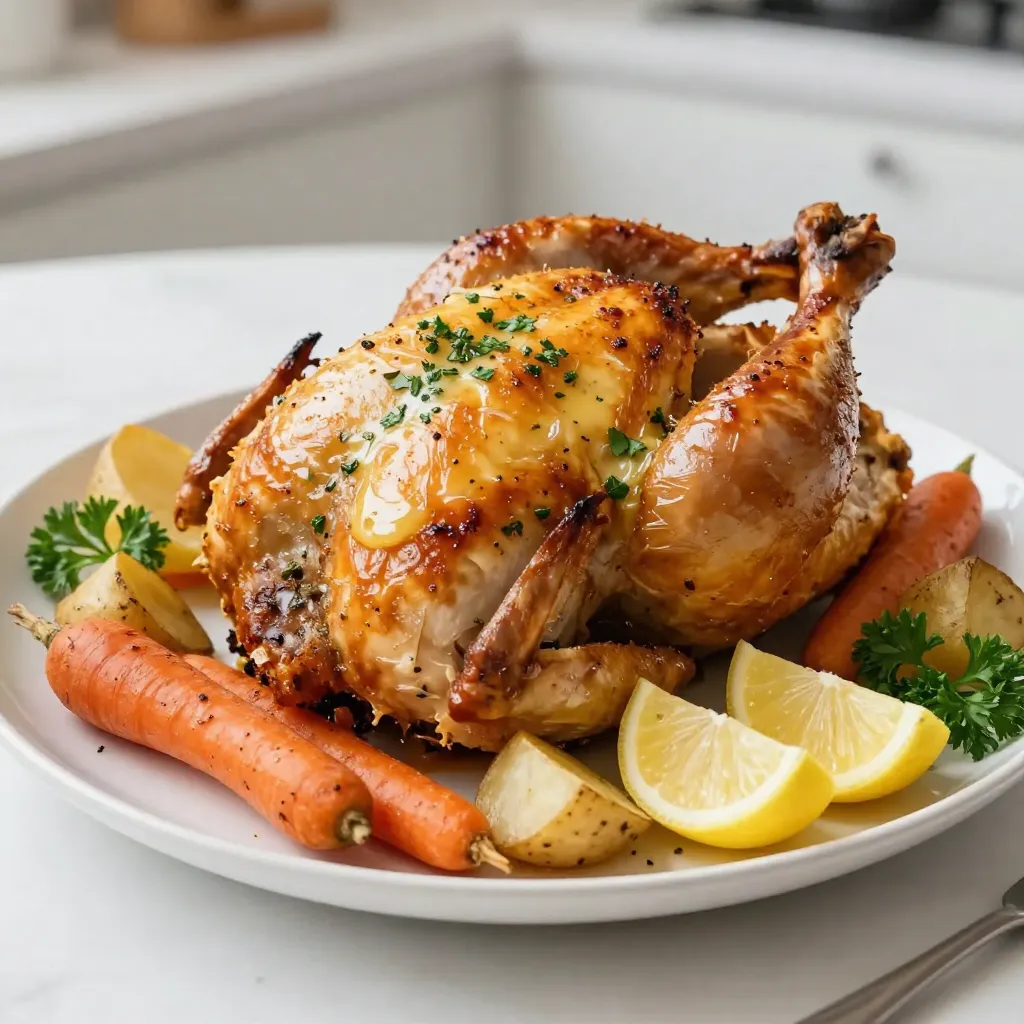
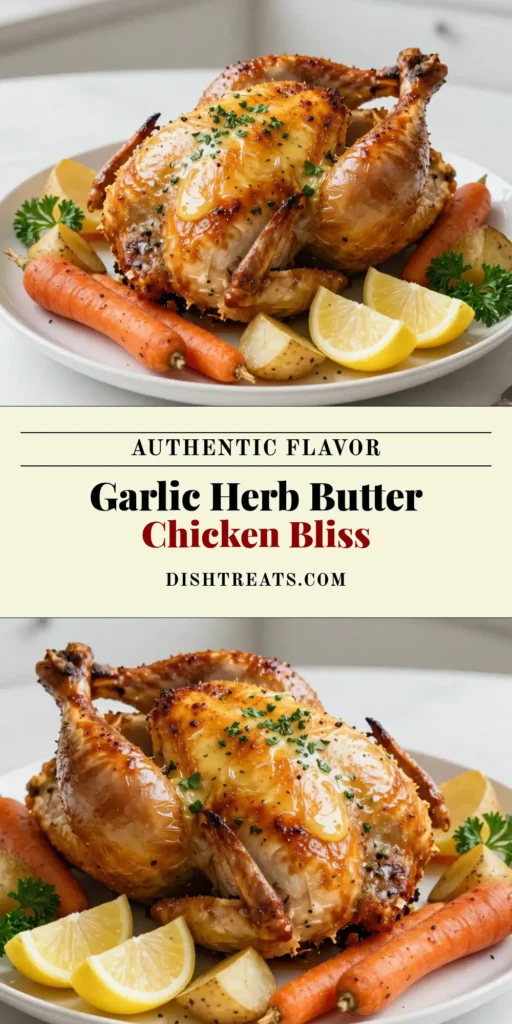
Looking to impress your family with a tasty dinner? Let me show you how to make juicy Garlic Herb Butter Roasted Chicken! This dish combines tender chicken with rich herb butter and fresh veggies for a flavor punch. You’ll learn easy steps to prepare, cook, and even store leftovers! Trust me; after this meal, everyone will ask for your secret. Ready to turn your kitchen into a cozy eatery? Let’s dive in!
Why I Love This Recipe
- Flavorful Herb Butter: The combination of garlic, rosemary, thyme, and lemon in the herb butter creates a rich and aromatic flavor that infuses the chicken beautifully.
- Juicy and Tender Meat: Basting the chicken with its own juices ensures that it remains moist and succulent throughout the roasting process.
- Easy One-Pan Meal: With the vegetables roasting alongside the chicken, this recipe provides a complete meal without the need for multiple dishes.
- Impressive Presentation: Carving the chicken and serving it surrounded by vibrant roasted vegetables makes for an eye-catching and inviting dinner centerpiece.
Ingredients
List of Ingredients
- 1 whole chicken (4-5 lbs)
- 1/2 cup unsalted butter, softened
- 8 cloves garlic, finely minced
- 2 tablespoons fresh rosemary, finely chopped
- 2 tablespoons fresh thyme, finely chopped
- 2 tablespoons fresh parsley, finely chopped
- Zest of 1 lemon
- Juice of 1 lemon
- Salt and pepper, to taste
- 1 onion, cut into quarters
- 1 lemon, cut into quarters
- 4 carrots, cut into 1-inch chunks
- 4 medium potatoes, cut into 1-inch chunks
- Olive oil, for drizzling
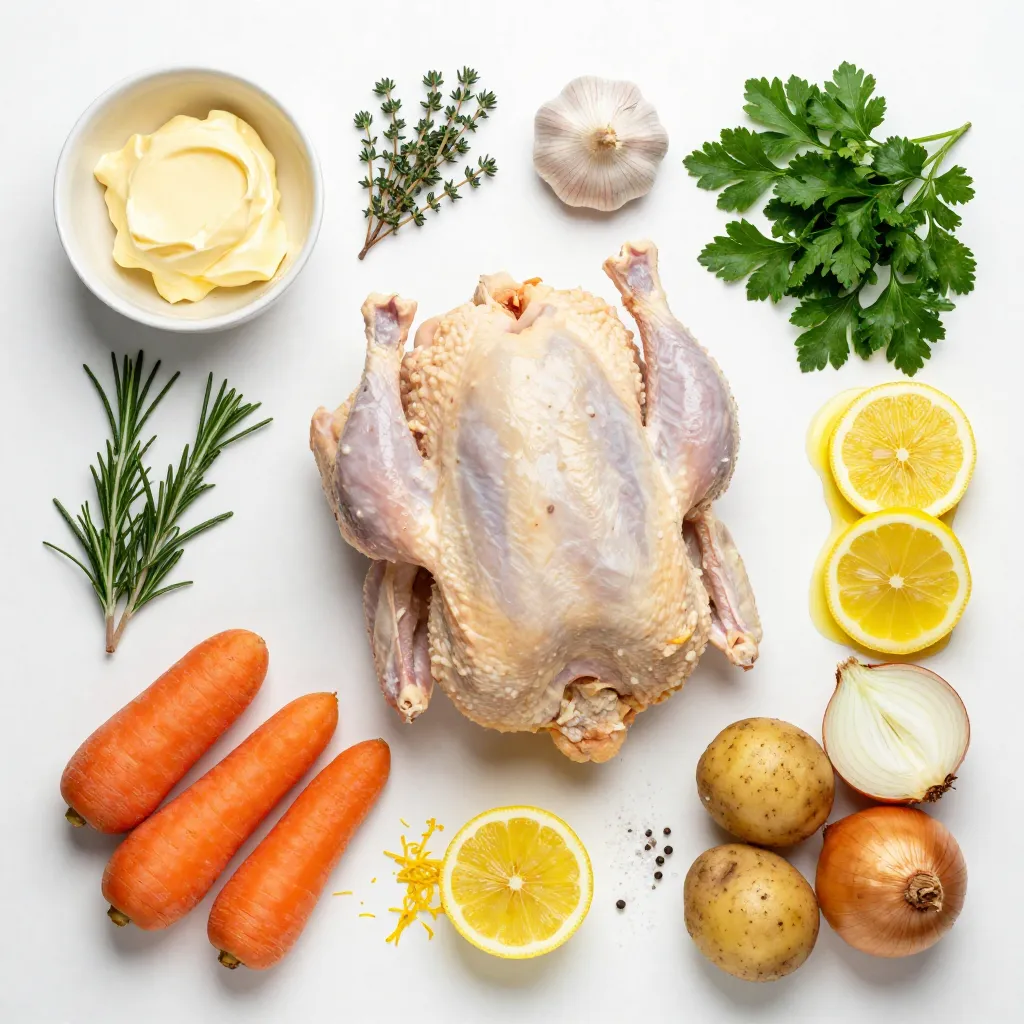
When making garlic herb butter roasted chicken, the ingredients shine. The whole chicken is the star. It weighs between 4 to 5 pounds. Using a fresh chicken gives the best flavor.
Next, we need unsalted butter. About half a cup works well. Softened butter is key. It helps mix in the herbs and garlic easily. Garlic is a must. Eight cloves, finely minced, add a strong flavor.
Fresh herbs bring life to the dish. I use two tablespoons each of rosemary, thyme, and parsley. These herbs give a rich taste. The zest and juice of one lemon brighten everything up.
Salt and pepper add balance. You can adjust these to your taste. For the stuffing, I use an onion and a lemon, both quartered. They add more aroma to the chicken as it cooks.
The vegetables add texture and heartiness. I recommend four carrots and four medium potatoes, each cut into one-inch chunks.
A drizzle of olive oil on the veggies helps them roast well. Each ingredient plays a part in making this dish savory and juicy.
Step-by-Step Instructions
Preheat the Oven
Set your oven to 425°F (220°C). Preheating is vital. It ensures the chicken cooks evenly and gets that golden brown skin. A hot oven helps seal in the juices for a tender, juicy bird.
Prepare the Herb Butter
In a medium bowl, mix 1/2 cup of softened butter with 8 minced garlic cloves. Add 2 tablespoons each of chopped rosemary, thyme, and parsley. Don’t forget the zest and juice of 1 lemon! Season with salt and pepper. Mix until smooth. This blend adds great flavor to the chicken.
Prepare and Stuff the Chicken
Start with a whole chicken, about 4-5 lbs. Pat it dry using paper towels. This helps the skin crisp up. Next, gently loosen the skin over the breast and thighs. Be careful not to tear it.
Spoon half of the garlic herb butter mixture into the pockets you made. Focus on the breast and thigh areas. Rub the rest of the butter all over the outside of the chicken. This step is key for flavor and moisture.
For extra taste, stuff the chicken cavity with quartered onion and lemon. This adds aromatic goodness during roasting. Now your chicken is ready for the oven!
Tips & Tricks
Basting Techniques
Basting keeps the chicken moist and adds flavor. I recommend basting every 30 minutes. Use a spoon or a baster to drizzle the pan juices over the chicken. This method helps keep the skin crispy while locking in juices. The pan juices mix with the herb butter, creating a tasty glaze.
Checking for Doneness
To ensure your chicken is cooked, use a meat thermometer. Insert it into the thickest part of the thigh, avoiding the bone. The chicken is done when it reaches 165°F (75°C). Look for golden, crispy skin and clear juices. These signs show your chicken is perfectly roasted.
Resting Time
Resting is key for juicy chicken. It allows the juices to spread throughout the meat. I suggest resting the chicken for 10 to 15 minutes after roasting. This short wait makes each slice tender and flavorful. Use this time to prepare your sides or set the table.
Pro Tips
- Use Fresh Herbs: Fresh herbs bring vibrant flavors to your dish. If possible, use herbs from your garden or a local market for the best taste.
- Let the Chicken Rest: Resting the chicken after roasting allows the juices to redistribute, ensuring a moist and flavorful meal.
- Customize Your Veggies: Feel free to mix and match vegetables based on what you have on hand or your family’s preferences for a personalized touch.
- Baste for Extra Flavor: Basting the chicken halfway through roasting with its juices will enhance the flavor and keep the meat juicy.
Variations
Herb Alternatives
You can change the herbs to suit your taste. Try using sage, basil, or dill. Each adds a unique flavor. Mixing fresh herbs with dried ones can also work well. Customize the butter mixture by adding your favorite spices, like paprika or cayenne. These can give your chicken an extra kick.
Vegetable Choices
You don’t have to stick with carrots and potatoes. Try adding sweet potatoes, Brussels sprouts, or zucchini. These veggies roast nicely and add color. You can also change the vegetables with the seasons. Use fresh asparagus in spring or butternut squash in fall for a lovely twist.
Cooking Methods
Roasting is great, but you can also grill or slow-cook the chicken. Grilling gives it a smoky flavor. If you slow-cook, the chicken stays juicy and tender. Adjust the cooking time when using different methods. For grilling, cook it for about 1 hour. For slow-cooking, you might need 4-6 hours on low.
Storage Info
Leftover Storage
To store leftover chicken, first let it cool. This helps keep moisture in. Next, take your chicken and cut it into pieces if you prefer. Place it in an airtight container. This keeps the chicken fresh for up to four days in the fridge. You can also wrap it tightly in plastic wrap. Just make sure to remove as much air as you can. For longer storage, freeze the chicken. It can last for up to four months in the freezer.
Recommended containers include:
- Glass or plastic airtight containers
- Heavy-duty freezer bags
- Aluminum foil for wrapping
Reheating Tips
When reheating roasted chicken, your goal is to keep it juicy. The best method is to use an oven. Preheat it to 350°F (175°C). Place the chicken in a baking dish. Add a splash of chicken broth or water to keep it moist. Cover the dish with foil. This traps steam and prevents drying out. Heat for about 20-30 minutes or until warmed through.
You can also use a microwave. Place the chicken on a microwave-safe plate. Add a few drops of water. Cover it with a damp paper towel. This helps keep moisture in. Heat in short bursts, checking often.
Remember, no one likes dry chicken! So, aim to maintain moisture and flavor when reheating.
FAQs
How long to roast a whole chicken?
Roasting a whole chicken takes about 20 minutes per pound at 425°F (220°C). For a 4-5 pound chicken, aim for 1 hour and 15 minutes. Always check the internal temperature. It should reach 165°F (75°C) in the thickest part of the meat. This ensures the chicken cooks safely and remains juicy.
Can I use frozen chicken for this recipe?
Yes, you can use frozen chicken, but it must be thawed first. Thaw it in the fridge for 24 hours. You can also use the cold water method. Submerge the chicken in cold water for a few hours. Cooking time will increase if the chicken is still slightly frozen. The texture may also be less tender than fresh chicken.
What sides pair well with garlic herb butter roasted chicken?
Complement your chicken with sides like:
- Roasted carrots
- Mashed potatoes
- Green beans
- Salad
These sides balance the rich flavors of the chicken. For quick sides, try making a simple salad or mashed potatoes while the chicken roasts. You can roast vegetables in the same pan for a hearty meal.
This blog post shared how to roast a whole chicken with garlic herb butter. We covered the key ingredients, like fresh vegetables and herbs, and the step-by-step process, including preheating the oven and preparing the chicken. Tips on basting, checking doneness, and resting time help ensure your chicken is juicy and flavorful. Don’t forget the variations and how to store leftovers for later. Remember, cooking is fun and rewarding, so get creative! Enjoy your delicious chicken and the smiles it brings to the tabl
Garlic Herb Butter Roasted Chicken
Ingredients
- 1 whole chicken (approximately 4-5 lbs)
- 0.5 cup unsalted butter, softened to room temperature
- 8 cloves garlic, finely minced
- 2 tablespoons fresh rosemary, finely chopped
- 2 tablespoons fresh thyme, finely chopped
- 2 tablespoons fresh parsley, finely chopped
- 1 zest lemon
- 1 juice lemon
- to taste salt and pepper
- 1 onion cut into quarters
- 1 lemon cut into quarters
- 4 carrots cut into 1-inch chunks
- 4 medium potatoes, cut into 1-inch chunks
- for drizzling olive oil
Instructions
- Preheat your oven to 425°F (220°C).
- In a medium mixing bowl, combine the softened butter with minced garlic, chopped rosemary, thyme, parsley, lemon zest, and lemon juice. Season with salt and pepper, then mix until smooth.
- Pat the whole chicken dry with paper towels. Gently loosen the skin over the breasts and thighs to create pockets.
- Spoon half of the garlic herb butter mixture into the pockets under the skin. Rub the remaining butter over the entire outside of the chicken.
- Place the quartered onion and lemon into the cavity of the chicken.
- In a large roasting pan, add the chunks of carrots and potatoes. Drizzle with olive oil and season with salt and pepper. Toss well and spread evenly around the chicken.
- Position the chicken breast-side up in the center of the pan. Roast for about 1 hour and 15 minutes, until the internal temperature reaches 165°F (75°C) and the skin is golden brown. Baste halfway through cooking.
- Let the chicken rest for 10-15 minutes before carving.


![To make Classic Chicken Marsala, you will need: - 4 boneless, skinless chicken breasts - Sea salt and freshly cracked black pepper, to taste - 1/2 cup all-purpose flour, for dredging - 4 tablespoons extra virgin olive oil - 2 tablespoons unsalted butter - 8 ounces cremini mushrooms, thinly sliced - 1 cup low-sodium chicken broth - 2 tablespoons freshly squeezed lemon juice - 1/4 cup fresh parsley, finely chopped, for garnish Using fresh ingredients makes all the difference in your dish. Fresh chicken tastes better and has better texture. Fresh mushrooms add depth and flavor. Fresh herbs, like parsley, bring vibrant notes to your plate. Fresh ingredients enhance the overall taste and make your meal more enjoyable. They can transform a simple dish into something special. If you can't find certain items, don't worry! Here are some easy swaps: - Chicken breasts: You can use chicken thighs for a richer flavor. - Cremini mushrooms: Use button mushrooms if cremini are not available. - Olive oil: Use canola or vegetable oil if you're out of olive oil. - Chicken broth: Vegetable broth works well for a lighter taste. - Lemon juice: You can use vinegar as a tangy alternative if you lack lemons. These substitutes will keep your Chicken Marsala flavorful and delicious, even with changes. 1. First, season the chicken breasts with salt and pepper. 2. Dredge each breast in flour. Shake off any extra flour. 3. Heat 2 tablespoons of olive oil in a skillet over medium heat. 4. Place the chicken in the skillet. Cook for 5-6 minutes on each side. 5. Remove the chicken from the skillet and keep it warm on a plate. 6. Add the remaining olive oil and butter to the same skillet. 7. Once the butter melts, add the sliced mushrooms. Sauté for 5 minutes. 8. Pour in the chicken broth and lemon juice. Scrape the skillet's bottom. 9. Simmer the sauce for 5 minutes until it thickens. 10. Return the chicken to the skillet. Spoon sauce over the top. 11. Simmer everything together for 2-3 minutes. 12. Finish with parsley before serving. To get the best Chicken Marsala, focus on these techniques: - Dredging: Flour helps create a crust. It locks in moisture and adds flavor. - Searing: Cooking the chicken on medium heat gives a golden crust. - Deglazing: Scraping the skillet adds depth to the sauce. - Simmering: Letting the sauce thicken enhances the flavor. Here are some tips to avoid issues while cooking: - Skipping seasoning: Always season the chicken well. It makes a big difference. - Overcrowding the skillet: Cook in batches if needed. This keeps the heat high. - Not checking doneness: Use a meat thermometer. Chicken should reach 165°F. - Rushing the sauce: Let it simmer. This builds the best flavor. For the complete cooking process, check the Full Recipe. Serve Chicken Marsala on a large plate. Spoon the rich mushroom sauce over the chicken. Pair it with creamy mashed potatoes or steamed vegetables. These sides add color and balance to the dish. I love adding a bright green salad too. It makes the meal complete and fresh. To boost flavor, season the chicken well with sea salt and pepper. Dredging it in flour gives it a nice crust. Be sure to use fresh mushrooms for the best taste. Cremini mushrooms add a deep, earthy flavor. Deglazing the skillet with chicken broth is key. It helps pick up all the tasty bits left behind. A splash of lemon juice brightens the dish. It cuts through the richness and makes every bite pop. When it comes to drinks, I suggest a dry white wine. A good Sauvignon Blanc or Chardonnay works well. These wines complement the chicken and sauce without overpowering them. If you prefer something non-alcoholic, try sparkling water with lemon. It refreshes your palate between bites. Enjoy your meal with a suitable drink for a perfect dining experience. Check out the Full Recipe for more details. {{image_4}} You can add herbs and spices to give Chicken Marsala a fun twist. Try adding fresh thyme or rosemary for a fragrant touch. Paprika can add a bit of heat and color. You can also use garlic powder or onion powder to deepen the flavor. Mix these into the flour before dredging the chicken. This small change can make a big difference in taste. If you want a vegetarian or vegan version, replace the chicken with hearty mushrooms or eggplant. Both options soak up the sauce well. Use vegetable broth instead of chicken broth for a rich flavor. You may also try tofu for a protein boost. Dredge the tofu in flour like the chicken for a satisfying crunch. You can play with the sauce to change the flavor profile. For a creamier version, add heavy cream to the broth. This will give you a rich, luscious sauce that coats the chicken well. You can also use Marsala wine for a sweeter touch. If you want a tangy flavor, use balsamic vinegar instead of lemon juice. Each of these swaps can help you create a unique dish. For the full recipe, check the [Full Recipe]. To store your Classic Chicken Marsala, let it cool first. Place the chicken and sauce in an airtight container. Make sure to separate the sauce from the chicken if you can. This helps keep the chicken moist. Place the container in the fridge. It’s best to use the leftovers within three days for the best taste. When reheating Classic Chicken Marsala, use a skillet for the best results. Warm it over medium heat. Add a splash of chicken broth or water to keep it moist. Stir gently until heated through. You can also microwave it, but be careful not to overheat. This can dry out the chicken. Classic Chicken Marsala lasts about three days in the fridge. If you want to keep it longer, freeze it. In the freezer, it will last up to three months. Just remember to store it in a freezer-safe container. To enjoy it later, thaw it in the fridge overnight before reheating. For more details on making this dish, check out the Full Recipe. Chicken Marsala is made of simple, tasty ingredients. You need chicken breasts, mushrooms, and Marsala wine. The sauce gets its flavor from chicken broth and lemon juice. You also use flour to coat the chicken. Olive oil and butter add richness. Fresh parsley gives a nice touch at the end. Yes, you can prepare Chicken Marsala ahead of time. Cook the chicken and store it in the fridge. Keep the sauce separate to avoid sogginess. When you are ready to serve, just reheat both. This keeps the chicken juicy and the sauce fresh. The best wine for Chicken Marsala is a dry Marsala wine. This wine adds depth and sweetness to the dish. If you can't find Marsala, you can use dry sherry or white wine. These alternatives work well but may change the flavor slightly. Always choose a wine you enjoy drinking! In this article, we covered the crucial ingredients for Chicken Marsala and why freshness matters. I shared step-by-step instructions to help you cook it perfectly. We explored tips for serving and pairing drinks, as well as variations for every taste. Finally, I explained how to store leftovers safely. Cooking Chicken Marsala can be easy and fun. With the right tips and knowledge, you can enjoy a delicious meal every time.](https://dishtreats.com/wp-content/uploads/2025/06/e9aedbd7-71f4-4133-b36d-4fb1a0e8152d-768x768.webp)