Lemon Garlic Asparagus Quick and Flavorful Recipe
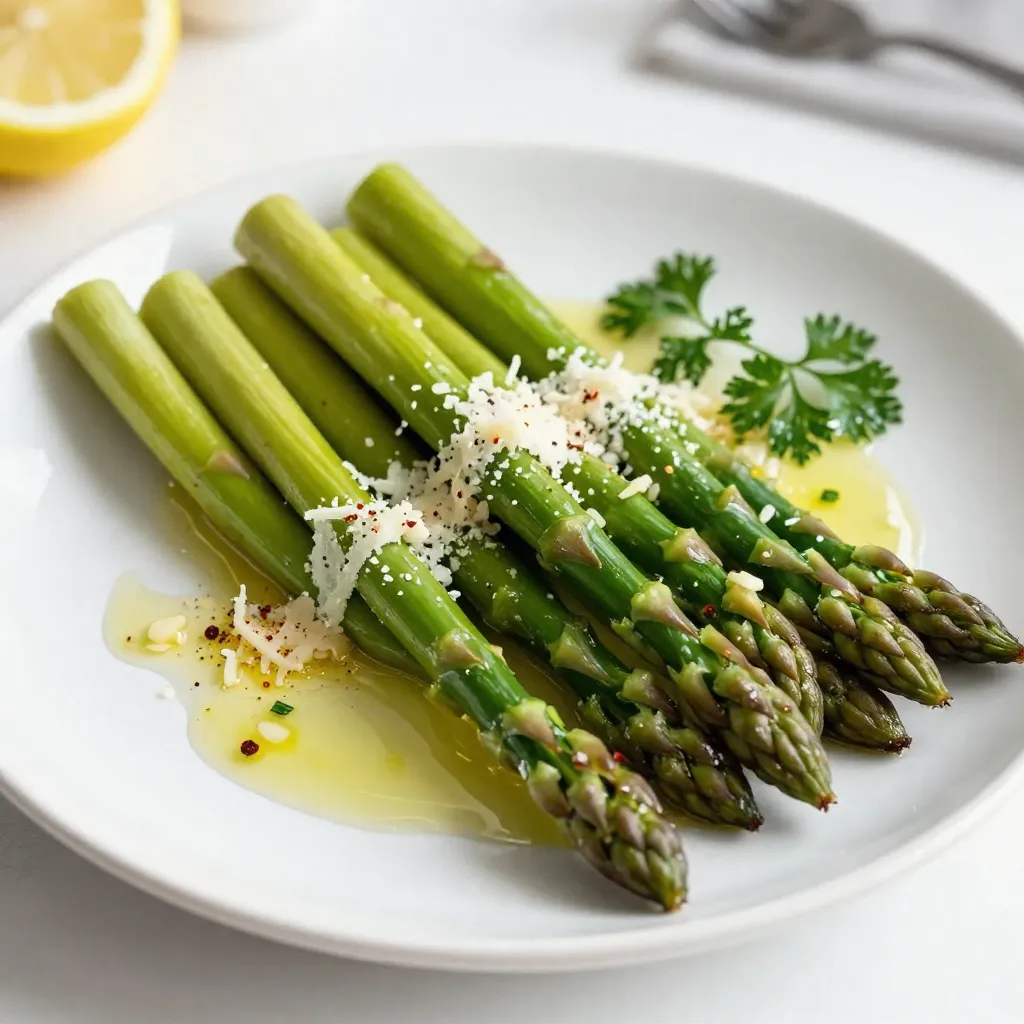

Looking for a quick and tasty side dish? My Lemon Garlic Asparagus recipe is the answer! With simple ingredients, you can whip up this flavorful dish in no time. It pairs perfectly with any meal and brings a fresh zing. Follow my easy steps to roast asparagus to crisp-tender perfection. Let’s dive in and make your dinner unforgettable!
Why I Love This Recipe
- Fresh and Vibrant Flavor: The combination of lemon and garlic brings a refreshing zest that elevates the natural taste of asparagus.
- Easy to Prepare: This recipe requires minimal ingredients and steps, making it perfect for a quick weeknight side dish.
- Healthy and Nutritious: Asparagus is loaded with vitamins and minerals, making this dish not only delicious but also good for you.
- Customizable: You can easily adjust the spice level and add toppings like Parmesan or herbs for extra flavor.
Ingredients
List of main ingredients
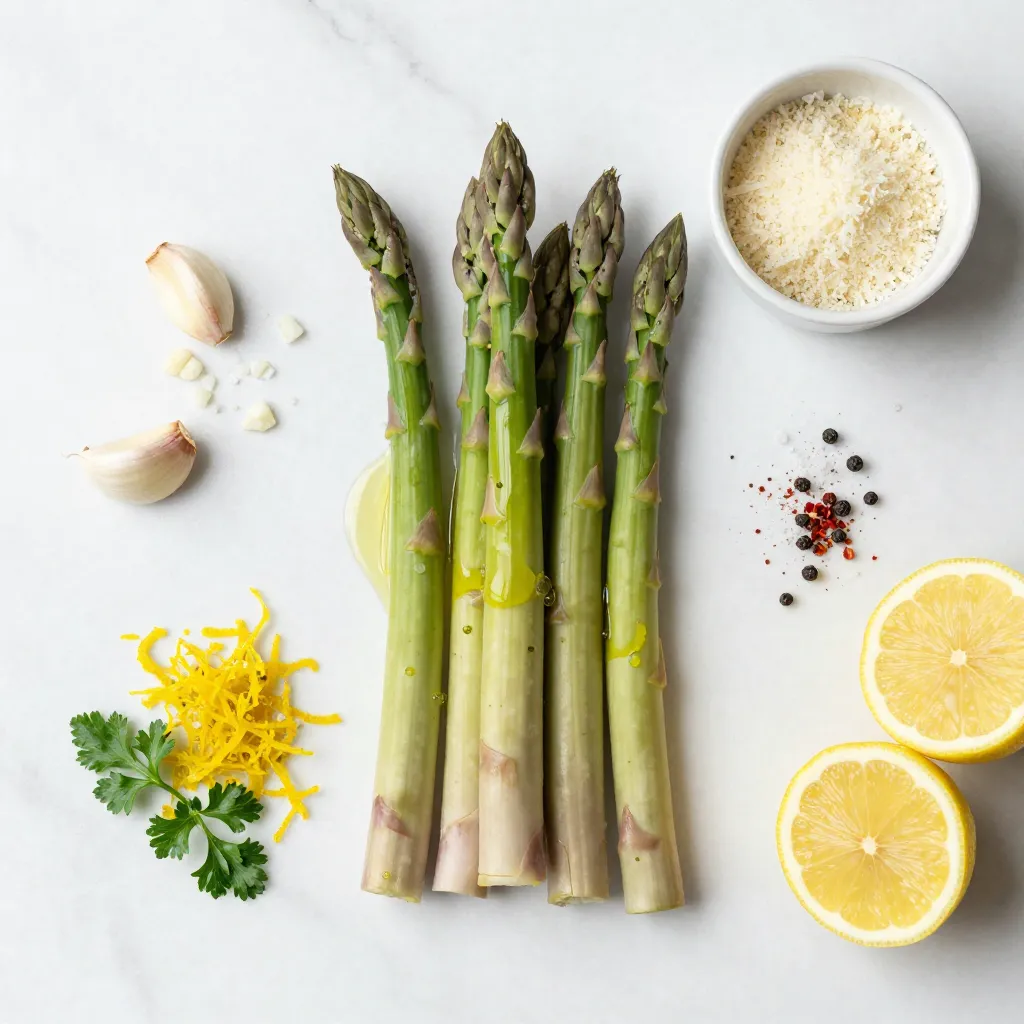
- 1 pound fresh asparagus, trimmed
- 3 tablespoons olive oil
- 4 cloves garlic, minced
- Zest of 1 lemon
- Juice of 1 lemon
- Salt and pepper, to taste
Optional ingredients for added flavor
- 1 teaspoon red pepper flakes (for a kick)
Suggested garnishes
- Grated Parmesan cheese (optional)
- Fresh parsley, chopped
Step-by-Step Instructions
Preheating the oven and preparing your workspace
Start by preheating your oven to 425°F (220°C). This heat is key for perfect asparagus. While the oven warms up, clear your workspace. Gather your ingredients and tools to make everything smooth.
Cleaning and trimming the asparagus
Rinse the fresh asparagus under cold water. This step removes dirt and grit. Next, trim the woody ends. You can snap them off or cut about 1-2 inches from the bottom. Lay the asparagus on a large baking sheet in a single layer. This helps them cook evenly.
Making the lemon garlic marinade
In a small bowl, whisk together three tablespoons of olive oil, four minced garlic cloves, the zest of one lemon, and the juice of that lemon. If you want a kick, add one teaspoon of red pepper flakes. Season with salt and pepper. Mix until you have a fragrant marinade.
Coating the asparagus and arranging on the baking sheet
Drizzle the lemon-garlic mixture over the asparagus. Use your hands or a spatula to toss gently. Make sure each spear gets coated well. Spread them out on the baking sheet. Avoid overcrowding for the best roast.
Roasting times and temperature specifics
Place the baking sheet in your preheated oven. Roast the asparagus for 12-15 minutes. They should be bright green and tender when pierced with a fork. The tips will have a nice crispness.
Final touches before serving
After roasting, take the asparagus out of the oven. Let them cool for a couple of minutes. Then, transfer them to a serving platter. For a tasty finish, sprinkle with grated Parmesan cheese and chopped parsley. Arrange them nicely for a beautiful display.
Tips & Tricks
How to choose the freshest asparagus
Look for asparagus with bright green color. The tips should be tightly closed and firm. Avoid any that are limp or have brown spots. Fresh asparagus should feel crisp and snap easily when bent. This helps ensure you get the best flavor and texture in your dish.
Achieving the best texture (crispy vs. tender)
For crispy asparagus, roast it at a high heat. The oven should be set to 425°F (220°C). Roast for 12-15 minutes. Keep an eye on it to prevent burning. If you prefer tender asparagus, you can lower the heat to 375°F (190°C) and roast a bit longer. This way, you get a softer bite while still enjoying great flavor.
Making ahead of time and reheating tips
You can prepare the asparagus a few hours in advance. Just toss it in the lemon-garlic mix and store it in the fridge. When ready to cook, let it sit at room temperature for about 15 minutes. To reheat, place it back in the oven at 350°F (175°C) for about 5-7 minutes. This warms it up without losing texture or flavor.
Pro Tips
- Choose Fresh Asparagus: Look for firm, bright green spears with closed tips. Fresh asparagus will have a vibrant color and a slightly crisp texture, ensuring the best flavor.
- Adjust Roasting Time: Depending on the thickness of your asparagus, you may need to adjust the roasting time. Thinner spears will cook faster, so keep an eye on them to avoid overcooking.
- Customize Seasonings: Feel free to experiment with additional seasonings like lemon pepper or garlic powder. This allows you to tailor the dish to your taste preferences.
- Serve Immediately: Roasted asparagus is best served right away while it’s still warm and crispy. If necessary, keep it in a warm oven (at a low temperature) until ready to serve.
Variations
Adding protein (chicken or shrimp) for a complete meal
You can turn Lemon Garlic Asparagus into a full meal by adding protein. Chicken or shrimp work well. For chicken, use thin pieces and marinate them in the same lemon-garlic mix. Cook the chicken on the baking sheet with the asparagus. For shrimp, add them for the last 5 minutes of roasting. This way, they get tender and flavorful.
Alternative seasonings for different flavor profiles
Feel free to change the seasonings for new tastes. Try adding soy sauce and ginger for an Asian twist. Or, mix in balsamic vinegar and thyme for a sweet touch. You can even use smoked paprika for a deeper flavor. Each seasoning brings a unique taste to the dish.
Vegetarian or vegan options
This recipe is easy to make vegetarian or vegan. Just skip the Parmesan cheese for a vegan version. You can also add nuts like almonds or walnuts for crunch. They add healthy fats and a nice texture. Serve with a grain like quinoa or brown rice for a complete meal.
Storage Info
Best practices for refrigerating leftovers
Store leftover lemon garlic asparagus in an airtight container. This keeps the flavors fresh. Place it in the fridge within two hours of cooking. Use it within three days for the best taste. If you notice any moisture, dry the asparagus with a paper towel before storing.
Reheating methods to retain flavor and texture
To reheat, use the oven or a skillet. Preheat the oven to 350°F (175°C) and place the asparagus on a baking sheet. Heat for about 10 minutes. This method keeps it crispy. If using a skillet, add a bit of olive oil and warm on medium heat for about 5 minutes. Stir gently to prevent burning.
Freezing guidelines and tips
You can freeze lemon garlic asparagus for longer storage. First, blanch the spears in boiling water for 2 minutes. Then, cool them in ice water to stop cooking. Dry the spears and place them in freezer bags. Remove as much air as possible. Use within three months for the best flavor. When ready to eat, thaw in the fridge overnight and reheat as mentioned above.
FAQs
Can I use frozen asparagus instead of fresh?
Yes, you can use frozen asparagus. It is a quick option. Just thaw it first. Do not roast frozen asparagus for too long. It may become mushy.
What are some side dishes that pair well with Lemon Garlic Asparagus?
Lemon Garlic Asparagus pairs well with many dishes. Here are a few ideas:
- Grilled chicken
- Baked salmon
- Quinoa salad
- Pasta primavera
- Rice pilaf
These sides enhance the bright flavors of the asparagus.
How do I know when asparagus is cooked perfectly?
Perfectly cooked asparagus is bright green and tender. It should snap easily when bent. You can also test it with a fork. If it goes in with little effort, it’s ready!
What alternatives can I use for olive oil?
If you lack olive oil, use these options:
- Avocado oil
- Grapeseed oil
- Vegetable oil
- Coconut oil
Each oil adds a unique flavor while keeping the dish healthy.
Can I make this dish without garlic?
Yes, you can skip garlic if you prefer. Instead, try adding lemon zest or herbs like thyme or basil. These will give the dish a fresh taste without the garlic.
You now know how to make delicious lemon garlic asparagus. We covered key ingredients, step-by-step prep, and tips for the best results. You learned variations to suit different diets and how to store leftovers.
As you try this recipe, keep your taste buds in mind. Feel free to adjust flavors and have fun with it. Great meals come from a mix of simple steps and creativity. Enjoy your cookin
Zesty Lemon Garlic Asparagus
Ingredients
- 1 pound fresh asparagus, trimmed
- 3 tablespoons olive oil
- 4 cloves garlic, minced
- 1 lemon zest
- 1 lemon juice
- 1 teaspoon red pepper flakes (optional, for a kick)
- to taste salt and pepper
- for garnish grated Parmesan cheese (optional)
- for garnish fresh parsley, chopped
Instructions
- Preheat your oven to 425°F (220°C). This high heat will help achieve that deliciously tender yet crispy texture.
- Rinse the asparagus thoroughly under cold water to remove any dirt. Trim off the woody ends by snapping them off or cutting about 1-2 inches from the bottom. Arrange the asparagus on a large baking sheet in a single layer.
- In a small mixing bowl, whisk together the olive oil, minced garlic, lemon zest, lemon juice, red pepper flakes (if you like a bit of heat), salt, and pepper. Stir until well combined, creating a fragrant marinade.
- Drizzle the lemon-garlic mixture generously over the asparagus. Use your hands or a spatula to gently toss the asparagus, ensuring each spear is thoroughly coated in the flavorful blend.
- Spread the asparagus out in a single layer on the baking sheet, making sure they are not overcrowded for optimal roasting.
- Place the baking sheet in the preheated oven and roast the asparagus for 12-15 minutes. The asparagus should be bright green, tender to the fork, and have slightly crispy tips.
- Once roasted, remove the asparagus from the oven and allow them to cool for a couple of minutes.
- Transfer the roasted asparagus to a beautiful serving platter. For an extra touch of flavor, sprinkle with grated Parmesan cheese and garnish with freshly chopped parsley if desired.

![- 2 cups diced apples - 1 cup celery, thinly sliced - 1 cup red grapes, halved - 1/2 cup walnuts, chopped - 1/2 cup raisins or dried cranberries - 1 cup plain Greek yogurt - 1 tablespoon honey - 1/2 teaspoon fresh lemon juice - Salt and pepper to taste - Lettuce leaves for serving Fresh produce makes this salad shine. I love using crisp apples, like Granny Smith, for their tartness. They add a nice crunch. The celery brings a refreshing snap, while juicy red grapes add sweetness. Nuts and dried fruits give texture and flavor. Chopped walnuts are my go-to. Toast them for even more flavor. Raisins or dried cranberries add a touch of sweetness, balancing the dish well. For the dressing, I use plain Greek yogurt. It’s creamy and healthy. Honey adds sweetness, and a bit of lemon juice brightens the flavors. Season with salt and pepper to enhance everything. Finally, serve on fresh lettuce leaves. They make a great base and add color. This combination of ingredients creates a delightful Waldorf salad. You can find the full recipe at [Full Recipe]. - Start by adding 2 cups of diced apples to a large bowl. - Drizzle the apples with 1/2 teaspoon of fresh lemon juice. This keeps them fresh and bright. - Next, slice 1 cup of celery into thin pieces. Add this to the bowl. - Halve 1 cup of red grapes and toss them in too. - In the same bowl, mix the fruit with 1/2 cup of chopped walnuts. - Add 1/2 cup of raisins or dried cranberries for sweetness. Gently toss the mixture. - In a separate bowl, combine 1 cup of plain Greek yogurt with 1 tablespoon of honey. Stir until smooth. - Carefully fold the yogurt dressing into the fruit mixture. Make sure everything is coated. - Season with salt and pepper to taste, folding gently to mix. - Cover the bowl and chill it in the fridge for at least 30 minutes. This helps the flavors blend. - When ready, serve on fresh lettuce leaves for a beautiful presentation. Enjoy your Waldorf salad! - For the complete recipe, check out the Full Recipe. You can swap out fruits and nuts to suit your taste. Try pears or oranges for a fresh twist. For nuts, almonds or pecans work well, too. If you want a creamier texture, use Greek yogurt instead of mayonnaise. The yogurt adds protein and keeps the salad light. Toasting walnuts really boosts their flavor. Just place them in a dry pan over medium heat. Stir them until they smell nutty and are lightly browned. You can also adjust sweetness or tartness. If the salad is too sweet, add a dash of lemon juice. For more sweetness, drizzle in extra honey. Serve your Waldorf salad on crisp lettuce leaves for a vibrant look. Arrange the salad in a large bowl or individual cups. Garnish with mint leaves for a fresh pop of color. You can also sprinkle extra toasted walnuts on top for added crunch. These simple touches make your dish stand out. For the full recipe, refer to the Waldorf Wonderland Salad 🥗. {{image_4}} The classic Waldorf salad uses simple, fresh ingredients. It combines apples, celery, grapes, and walnuts in a creamy dressing. Modern twists can add new flavors. You might see variations like adding chicken or swapping yogurt for mayonnaise. These changes keep the dish fresh and fun. You can experiment with spices, too. A hint of cinnamon or nutmeg can add warmth. If you want a vegan Waldorf salad, swap Greek yogurt for a plant-based option. Silken tofu blended with lemon juice makes a great dressing. For a gluten-free version, check your nuts and dried fruits. Most are safe, but some brands add gluten. You can also cut calories by using low-fat yogurt. This keeps the creaminess while reducing fat. Seasonal fruits can enhance the Waldorf salad. In fall, add sliced pears for sweetness. In winter, pomegranate seeds add color and crunch. Fresh berries in summer create a bright, juicy contrast. Each season brings a new twist to this classic salad. Try different fruits to match the season and your taste. The full recipe allows you to mix and match as you please. To store leftover Waldorf salad, place it in an airtight container. This keeps the salad fresh. Use a lid or plastic wrap to seal it well. The salad can last up to 3 days in the fridge. After that, the texture and flavor may change. If you see any browning apples, it’s best to toss them out. You can prepare some ingredients in advance. Chop your apples, celery, and grapes a day before. Keep them in separate containers in the fridge. This saves time when you want to make the salad. If you want to freeze Waldorf salad, I suggest not freezing it whole. The fruits will lose their crunch. Instead, freeze just the nuts or dried fruits. This keeps them fresh longer. When you are ready, mix them in fresh, chilled salad. You can enjoy that fresh taste even after storage! For the full recipe, check out the Waldorf Wonderland Salad. Waldorf Salad dates back to the late 1800s. A chef at the Waldorf Astoria Hotel in New York created it. The original recipe had only apples, celery, and mayonnaise. Over time, people added more ingredients, like walnuts and grapes. This salad became popular at formal dinners and events. It has a classic, timeless appeal that many enjoy today. Yes, you can prepare Waldorf Salad ahead of time. Make it a few hours before serving for best results. Just follow the steps of mixing everything and keep it in the fridge. This helps the flavors blend well. If you plan to serve it the next day, be careful with the apples. They can brown, so use lemon juice to keep them fresh. Waldorf Salad is quite healthy! It features fresh fruits and nuts, which offer great nutrients. Apples provide fiber and vitamins, while walnuts add healthy fats. The Greek yogurt dressing gives protein and a creamy texture. This salad is a great choice for a light meal or side dish. Eating it can help you feel full and satisfied. You can find the full recipe for this delightful salad [here](#). Waldorf salad combines fresh produce, nuts, and a creamy dressing. You learned how to prepare it step-by-step. I shared tips to enhance flavor and presentation. Feel free to adjust ingredients based on your taste. You can also explore various dietary options and seasonal fruits. This salad is not only tasty but also healthy. With proper storage methods, you’ll enjoy it for days. Now, it's time to create your own delicious version!](https://dishtreats.com/wp-content/uploads/2025/06/24fb7af7-5454-4649-a19f-39fd463a867f-768x768.webp)